Understanding the Role of Butter
Before swapping ingredients, it is vital to understand that butter provides three things: flavor, moisture, and structure. In baking, butter helps with leavening and creating flaky layers. In cooking, it adds richness and aids in browning. When choosing a substitute, consider which of these roles is most important for your specific recipe.
Heart-Healthy Plant Oils
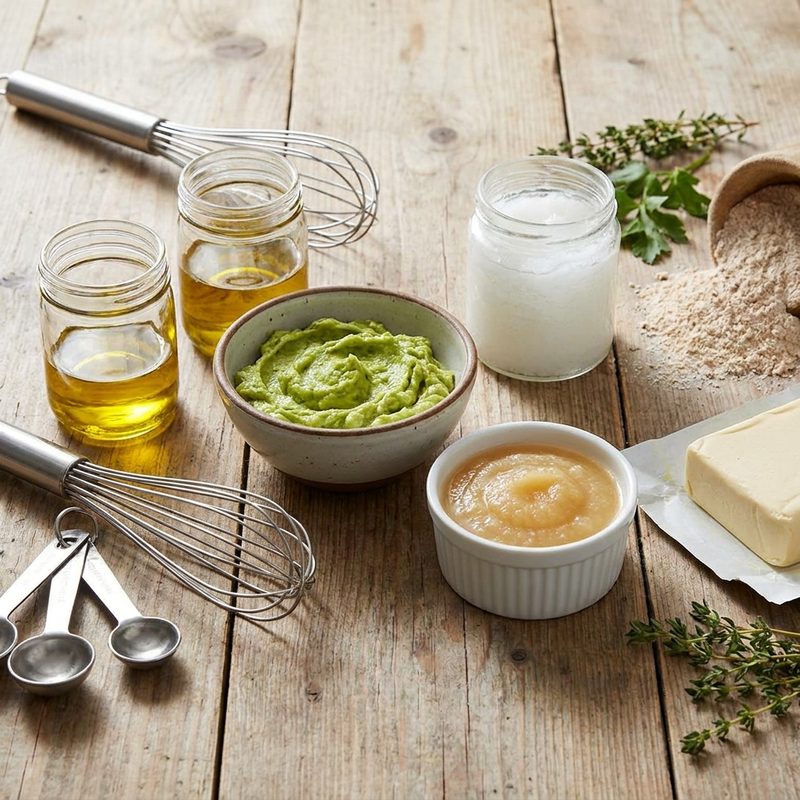
Olive oil and avocado oil are excellent 1:1 substitutes for melted butter in savory dishes and many quick breads. Avocado oil has a high smoke point and a neutral flavor, making it versatile for sautéing. Extra virgin olive oil adds a sophisticated, peppery note that pairs beautifully with citrus-based cakes or roasted vegetables. Keep in mind that using oil instead of solid butter will result in a denser, moister crumb in baked goods.
Fruit Purees for Low-Fat Baking
Unsweetened applesauce, mashed bananas, and pumpkin puree are the gold standard for reducing calories and saturated fats. These swaps work best in muffins, brownies, and cakes. Use a 1:1 ratio, but be aware that fruit purees add significant moisture and sugar. To avoid a gummy texture, some bakers prefer replacing only half the butter with puree and using a healthy oil for the remaining half.
Protein-Rich Alternatives
Greek yogurt and silken tofu are fantastic for adding moisture and a protein boost. Greek yogurt provides a pleasant tang similar to buttermilk, making it ideal for biscuits and scones. Use a 1:1 ratio for yogurt, but consider reducing other liquids in the recipe slightly to compensate for the yogurt's water content.
Nut Butters and Avocado
For recipes that require a creamy fat, such as frostings or rich chocolate desserts, mashed avocado or almond butter work wonders. Avocado provides healthy monounsaturated fats and a creamy consistency without the cholesterol. Because of its green hue, it is best used in chocolate recipes where the cocoa powder can mask the color.
Key Takeaways
- ✓ <html><ul><li>When substituting oil for solid butter, use 3/4 cup of oil for every 1 cup of butter to prevent the dish from becoming too greasy.</li><li>To mimic the flavor of butter in vegan cooking, add a pinch of nutritional yeast or a drop of butter extract to your substitute.</li><li>Fruit purees lack the 'shortening' effect of fat, so avoid overmixing your batter to prevent the gluten from making the cake tough.</li><li>If a recipe calls for 'creaming' butter and sugar, avoid liquid oils; instead, use chilled coconut oil or a high-quality vegan butter stick.</li></ul></html>