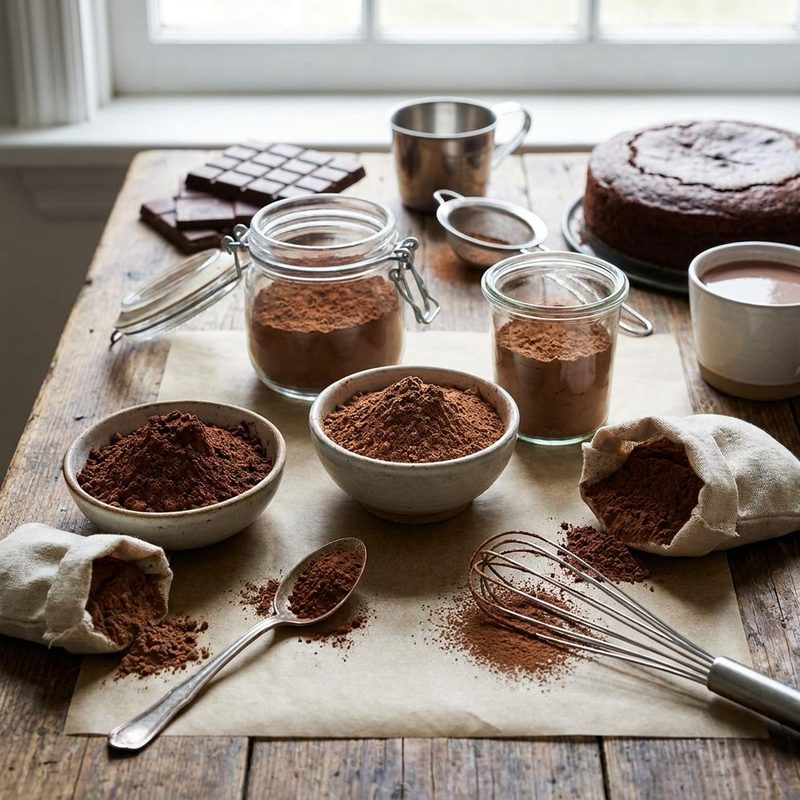
What Cocoa Powder Is
Cocoa powder is made from cocoa beans that are fermented, dried, roasted, and cracked into nibs. The nibs are ground into a paste called chocolate liquor, which is pressed to remove most of the cocoa butter. The remaining solid is dried and ground into a fine powder. There are two main types: natural cocoa powder (acidic, pH around 5-6) and Dutch-process cocoa powder (alkalized, pH around 7-8). Natural cocoa is lighter in colour and has a more intense, fruity chocolate flavour, while Dutch-process is darker, smoother, and milder. The type you choose affects the leavening in baked goods because natural cocoa reacts with baking soda, while Dutch-process works best with baking powder.
How to Choose Cocoa Powder
When buying cocoa powder, check the label for the type: natural or Dutch-process. For recipes that call for baking soda, use natural cocoa; for baking powder, use Dutch-process. Look for cocoa powder with a deep, rich colour and a strong chocolate aroma. Avoid any that smells stale or musty. The fat content (cocoa butter) should be around 10-12% for standard cocoa powder; lower fat content means a more intense flavour but less richness. Unsweetened cocoa powder is standard; avoid sweetened or 'drinking chocolate' mixes. If possible, buy from a brand that specifies the cocoa origin, as single-origin powders can offer distinct flavour notes.
How to Use Cocoa Powder in Cooking
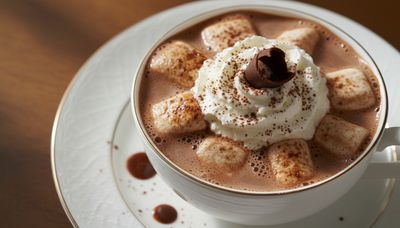
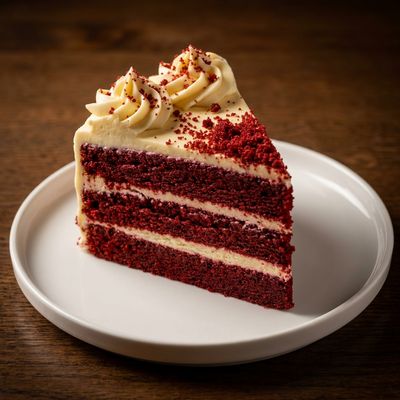
Cocoa powder is used in baking (cakes, brownies, cookies), desserts (puddings, mousses, ice cream), and drinks (hot chocolate, smoothies). For baking, sift cocoa powder with the dry ingredients to break up lumps. When making a chocolate sauce or ganache, whisk cocoa powder into hot liquid (milk, cream, or water) until smooth; for every 1 tablespoon (15 ml) of cocoa powder, use about 2 tablespoons (30 ml) of liquid to start. For hot chocolate, mix 2 tablespoons (30 g) of cocoa powder with 1 tablespoon (15 g) of sugar and a pinch of salt, then whisk into 1 cup (240 ml) of hot milk. To intensify chocolate flavour in baked goods, bloom the cocoa powder by mixing it with hot coffee or hot water (equal parts by weight) and letting it sit for 2 minutes before adding to the batter.
Substitutes for Cocoa Powder
If you run out of cocoa powder, here are three reliable substitutes. 1. Unsweetened chocolate: For every 3 tablespoons (45 g) of cocoa powder, use 1 ounce (28 g) of unsweetened chocolate, but reduce the fat in the recipe by 1 tablespoon (15 g) of butter or oil. The result will be richer and slightly less intense in chocolate flavour. 2. Carob powder: Use equal amounts (1:1 by volume). Carob is naturally sweeter and less bitter, so reduce added sugar by about 25%. The flavour is milder and more earthy. 3. Hot cocoa mix: For every 1 tablespoon (15 g) of cocoa powder, use 2 tablespoons (30 g) of hot cocoa mix, but reduce the sugar in the recipe by 1 tablespoon (15 g). The final product will be sweeter and less chocolatey, with added milk solids and sometimes vanilla.
How to Store Cocoa Powder
Store cocoa powder in an airtight container in a cool, dark, dry place, such as a pantry or cupboard. Properly stored, it will keep for 2 to 3 years past the best-by date. For longer storage, you can keep it in the refrigerator in a sealed container for up to 5 years, or in the freezer for up to 5 years. However, refrigeration or freezing can cause condensation when the container is opened, which may lead to clumping. To avoid this, let the container come to room temperature before opening. Always use a clean, dry spoon to scoop out cocoa powder to prevent moisture contamination.
Common Mistakes
1. Using the wrong type of cocoa powder for the recipe. If you use Dutch-process cocoa when baking soda is called for, the batter won't rise properly. Fix: always match the cocoa type to the leavening agent specified in the recipe. 2. Not sifting cocoa powder. Cocoa powder clumps easily, and lumps can create bitter pockets in the final product. Fix: always sift cocoa powder with the other dry ingredients, or whisk it vigorously into liquids. 3. Overheating cocoa powder in liquid. Boiling cocoa powder can make it taste bitter and scorched. Fix: heat the liquid gently and whisk constantly; do not let it boil. For hot chocolate, heat milk to just below a simmer (about 180°F / 82°C).
Key Takeaways
- ✓ <ul><li>For a deeper chocolate flavour, bloom cocoa powder in hot coffee or hot water for 2 minutes before adding to batter.</li><li>Always sift cocoa powder with dry ingredients to prevent lumps in baked goods.</li><li>Store cocoa powder in an airtight container away from light and heat to preserve freshness for up to 3 years.</li><li>When substituting unsweetened chocolate for cocoa powder, remember to reduce the fat in the recipe by 1 tablespoon per ounce of chocolate.</li></ul>