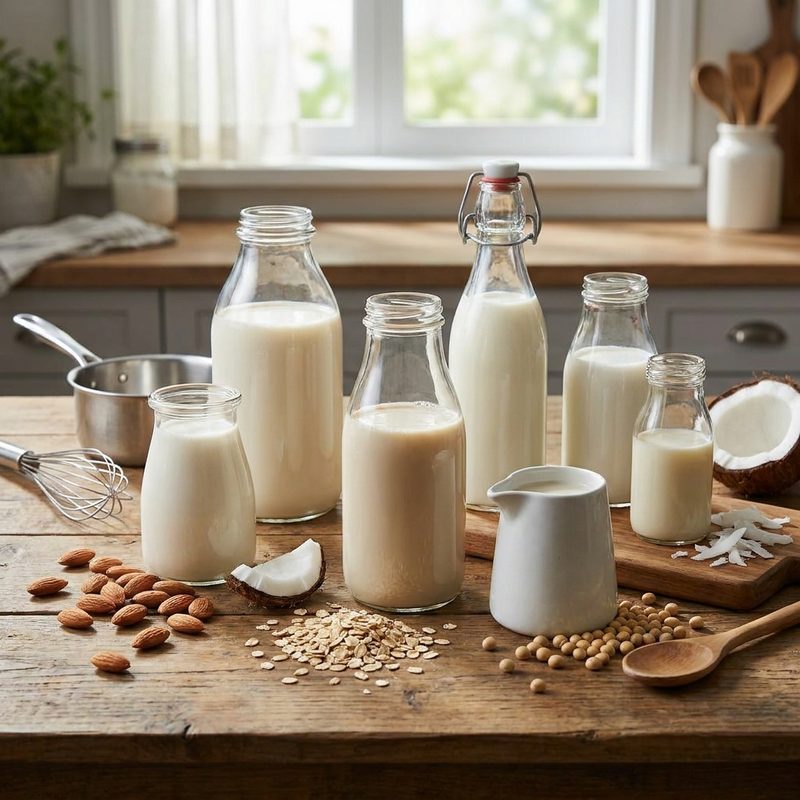
Understanding the Science of Dairy Swaps
When substituting dairy with plant-based alternatives, you must consider three main factors: fat content, protein stability, and sugar levels. Cow's milk provides a balance of fats and proteins that emulsify easily. Plant milks, however, vary wildly. For instance, almond milk is high in water and low in fat, making it poor for creamy sauces but excellent for light baking. Understanding these differences is the key to preventing split sauces or dry cakes.
Soy Milk: The Culinary Workhorse
Soy milk is arguably the most versatile substitute for cooking. It contains a protein profile similar to cow's milk, which allows it to emulsify and thicken beautifully in bechamel sauces or gravies. Because it is heat-stable, it is less likely to curdle when boiled. Always opt for 'unsweetened' and 'unflavored' versions to avoid adding a vanilla profile to savory dishes.
Oat Milk: The King of Creaminess
Oat milk has surged in popularity due to its naturally thick texture and mild, slightly sweet flavor. It contains more carbohydrates than other plant milks, which helps it brown (caramelize) effectively in baked goods. In cooking, it provides a mouthfeel very similar to 2% dairy milk, making it ideal for creamy soups and mashed potatoes.
Coconut Milk: Richness and Body
For dishes that require high fat content, such as curries or rich desserts, canned coconut milk is the gold standard. Note the distinction between 'carton' coconut milk (for drinking) and 'canned' coconut milk (for cooking). The canned version provides the saturated fat necessary to achieve a velvety texture that other plant milks simply cannot replicate.
Nut Milks: Almond and Cashew
Almond milk is very thin and can often 'disappear' in a dish, offering little body. It is best used in light batters like pancakes. Cashew milk, conversely, is much creamier when homemade or bought in high-quality versions, making it a favorite for dairy-free pasta sauces. Be wary of the nutty aftertaste which can clash with certain delicate herbs.
Key Takeaways
- ✓ <html><ul><li>Always buy 'Unsweetened Plain' versions for cooking to avoid unwanted sugar and vanilla flavors.</li><li>To prevent curdling in hot coffee or soups, temper the plant milk by adding a small amount of the hot liquid to the milk before stirring it into the main pot.</li><li>If a sauce is too thin after using a plant milk, whisk in a teaspoon of cornstarch or arrowroot powder to help it reach the desired consistency.</li><li>For the best browning in vegan baking, use oat or soy milk as they contain the sugars and proteins needed for the Maillard reaction.</li></ul></html>