Recipe Details
"Toasting sesame seeds transforms them from plain, mild garnishes into aromatic, nutty powerhouses that add depth to any dish. This guide explores the best techniques to achieve the perfect golden-brown crunch while avoiding the bitterness of over-roasting."
Ingredients
| Qty | Item |
|---|---|
| Ingredient list coming soon. | |
How to Make How to Toast Sesame Seeds
Why Toasting Matters
Sesame seeds contain natural oils that are released through heat. Toasting enhances their nutty aroma, provides a satisfying crunch, and deepens their color. Whether you are using white or black sesame seeds, this simple step elevates salads, stir-frys, and baked goods from ordinary to professional-grade. The process works by gently driving off residual moisture—about 5% by weight—then browning the seed's surface via the Maillard reaction. White seeds turn from ivory to pale gold; black seeds shift from matte charcoal to a faintly glossy dark brown. Under-toasted seeds taste raw and grassy; over-toasted seeds become bitter and acrid. A single teaspoon of seeds (about 3 grams) can perfume an entire dish, so precision matters.
Method 1: The Stovetop Skillet (Recommended)
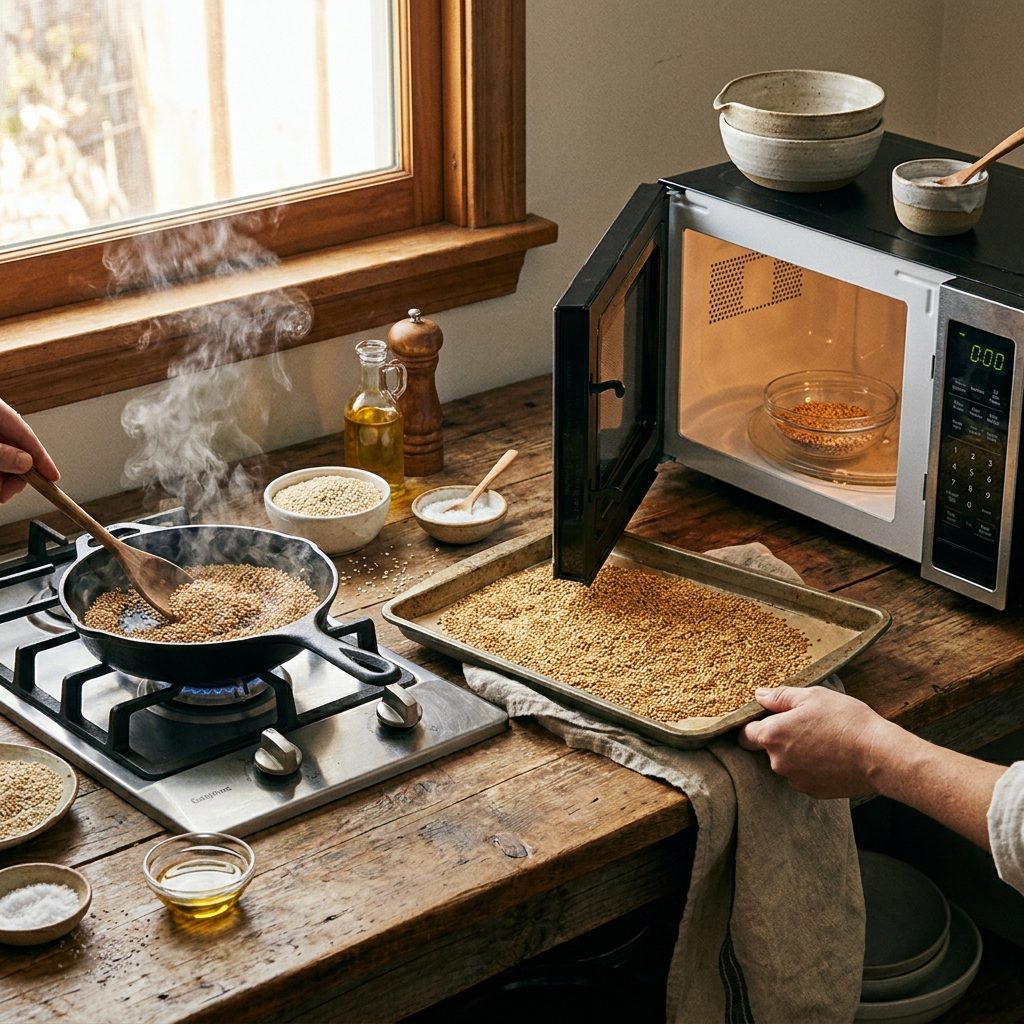
This is the most popular method because it allows for total control. Place a dry, heavy-bottomed skillet—cast iron or stainless steel works best—over medium-low heat (about 275°F / 135°C on an infrared thermometer). Add the sesame seeds in a single layer; no more than 1/4 cup per 10-inch pan. Shake the pan or stir constantly with a wooden spoon or spatula. After 3 to 5 minutes, the seeds will turn golden and smell fragrant. You should hear a faint crackling as moisture escapes; if you hear popping, the heat is too high. The seeds will first appear damp as oils release, then dry out and take on color. When about 70% of white seeds show a tan spot on one side, they are done. Immediately transfer them to a cool plate—spreading them in a single layer—to stop the cooking process. If you leave them in the hot pan, residual heat will continue to toast them, often leading to burnt patches. For black seeds, look for a slight sheen and a roasted aroma; they will not change color dramatically. A common mistake: using a non-stick pan on high heat, which scorches the seeds before they toast evenly.
Method 2: The Oven Method
Ideal for toasting large batches, such as 1 cup or more. Preheat your oven to 350°F (175°C). Spread the seeds evenly on a rimmed baking sheet—no more than 1/8 inch deep. Bake for 5 to 10 minutes, tossing them halfway through with a spatula. Watch them closely during the final minutes as they can burn quickly. The visual cue: the seeds should be a shade darker than raw, with a uniform golden hue for white seeds. For black seeds, they will appear slightly matte and release a nutty scent. Remove once they reach a light golden hue and transfer to a cold surface immediately—a sheet of parchment paper on a counter works well. If you see any seeds turning dark brown, the batch is overdone; discard those to avoid bitterness. The oven method can produce uneven results if the seeds are piled too thickly; the bottom layer steams while the top burns. To test doneness, press a seed between your fingers: it should crumble easily, not squish. A common error: opening the oven door too often, which drops temperature and extends toasting time, leading to dry, brittle seeds.
Method 3: The Microwave Shortcut
For small amounts—up to 2 tablespoons—the microwave works surprisingly well. Place seeds in a microwave-safe bowl, preferably a shallow ceramic dish, and heat on high for 30-second intervals. Stir between each burst with a fork to redistribute heat. Repeat for 2 to 3 minutes until the seeds are fragrant. Note that they won't brown as deeply as the other methods but will still develop a roasted flavor profile. The microwave method relies on internal moisture heating; if the seeds are too dry, they may pop or scorch. You should see steam rising after the first interval; if not, the seeds are too old. The final texture should be crisp, not chewy. A common pitfall: using a plastic bowl, which can warp or melt, or overheating beyond 3 minutes, which turns the seeds into a burnt, smoky mess. For best results, let the seeds cool completely before storing; any residual heat in the bowl will continue to cook them. This method is ideal for a quick sprinkle on avocado toast or a last-minute garnish for noodles.
Tips for Best Results
-
·
<html><ul><li>Never leave the seeds unattended; they transition from toasted to burnt in seconds.</li><li>Use a heavy-bottomed pan like cast iron for even heat distribution and better temperature control.</li><li>For black sesame seeds, use your nose and ears since you cannot see the color change; they will smell nutty and start to pop when ready.</li><li>Store toasted seeds in an airtight container in the freezer to keep the natural oils from going rancid over time.</li></ul></html>
Frequently Asked Questions
Can I toast black sesame seeds?
How long do toasted sesame seeds last?
Do I need to add oil to the pan?
Why do my toasted sesame seeds taste bitter?
What to Cook Next
Next Recipe
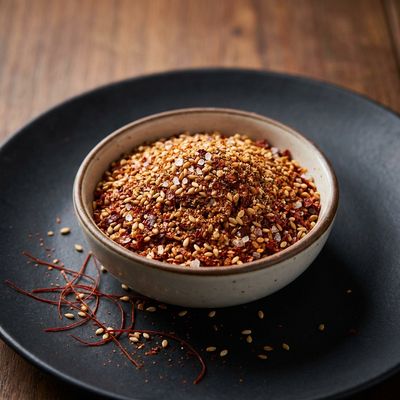
Homemade Gochugaru Chilli Seasoning
This vibrant, multi-layered seasoning blend captures the iconic smoky heat of Korean red pepper flakes balanced with savory garlic and toasted sesame. It is the ultimate pantry staple for elevating everything from simple rice bowls to complex marinades with a punch of umami.
Similar Recipes to Try
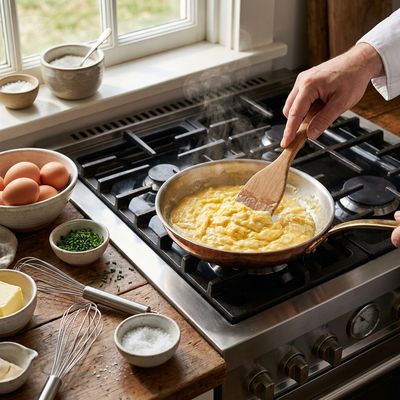
How To Make Scrambled Eggs
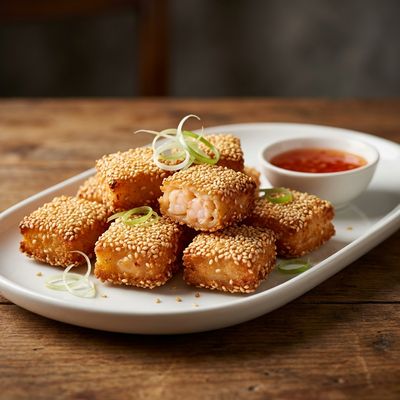
Prawn Toast Bites
30 min
How To Poach Eggs
How to Chop Parsley
How to Whisk Egg Yolks
Sheet Pan Sesame Ginger Tofu and Broccoli
40 min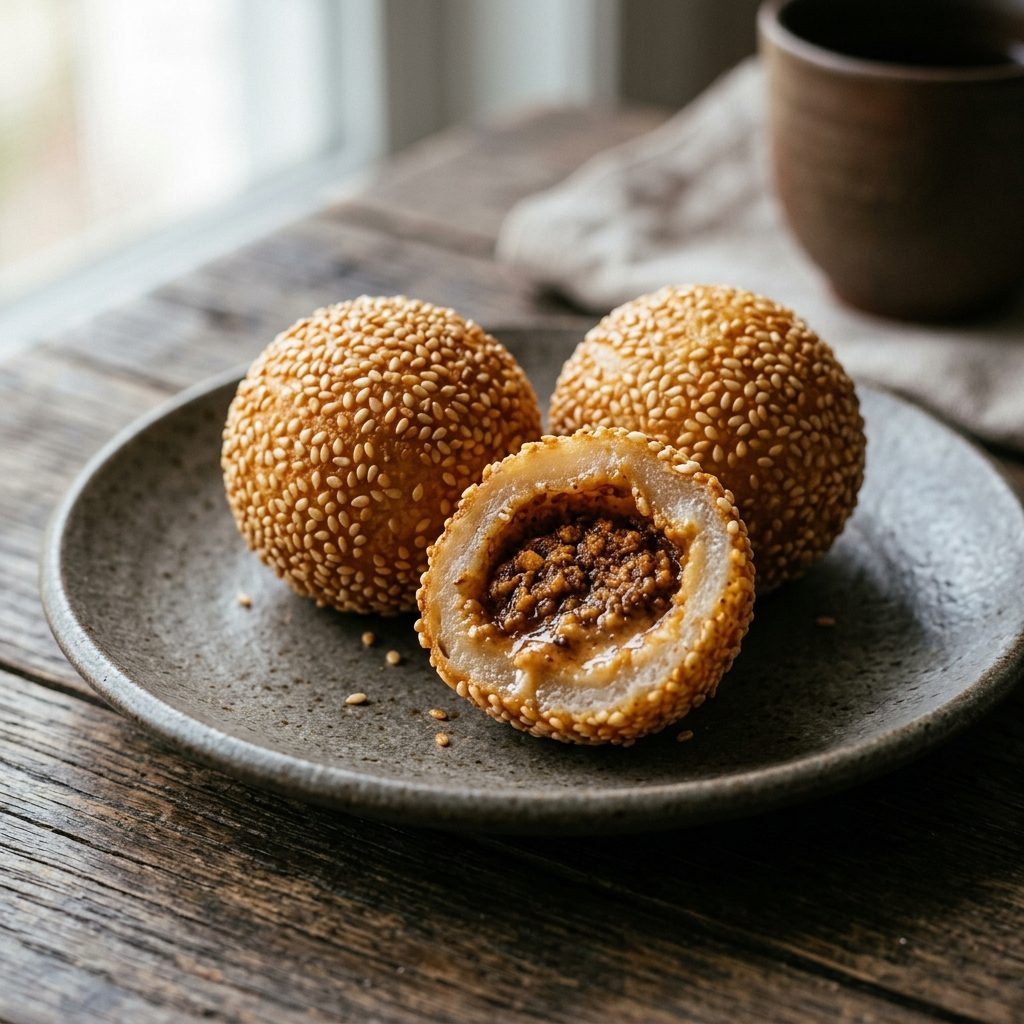
Sesame Balls with Peanut Filling
40 min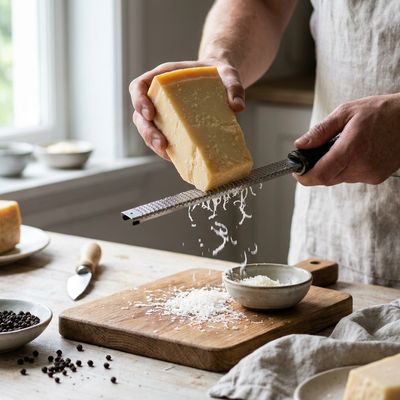
How to Grate Parmesan Cheese
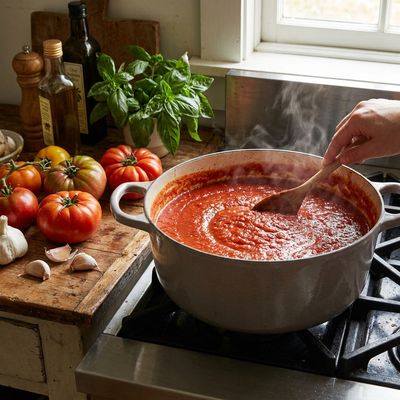
How To Make Homemade Tomato Sauce
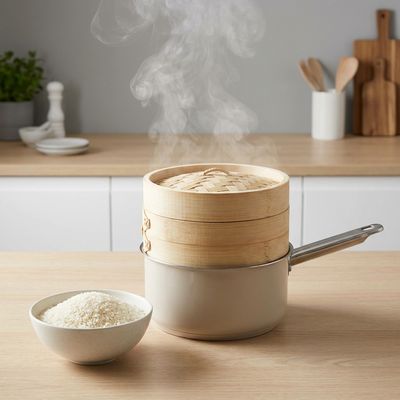
How to Steam Jasmine Rice
Comments
(0)Sign in to leave a comment.
You Might Like
Ad Space Available
Be the first to leave a comment.