Recipe Details
"Mastering the art of homemade tomato sauce is a foundational skill for any home cook. This guide breaks down the process from selecting the right tomatoes to achieving the perfect balance of acidity and sweetness through proper simmering techniques."
Ingredients
| Qty | Item |
|---|---|
| Ingredient list coming soon. | |
How to Make How To Make Homemade Tomato Sauce
1. Ingredient Selection and Prep
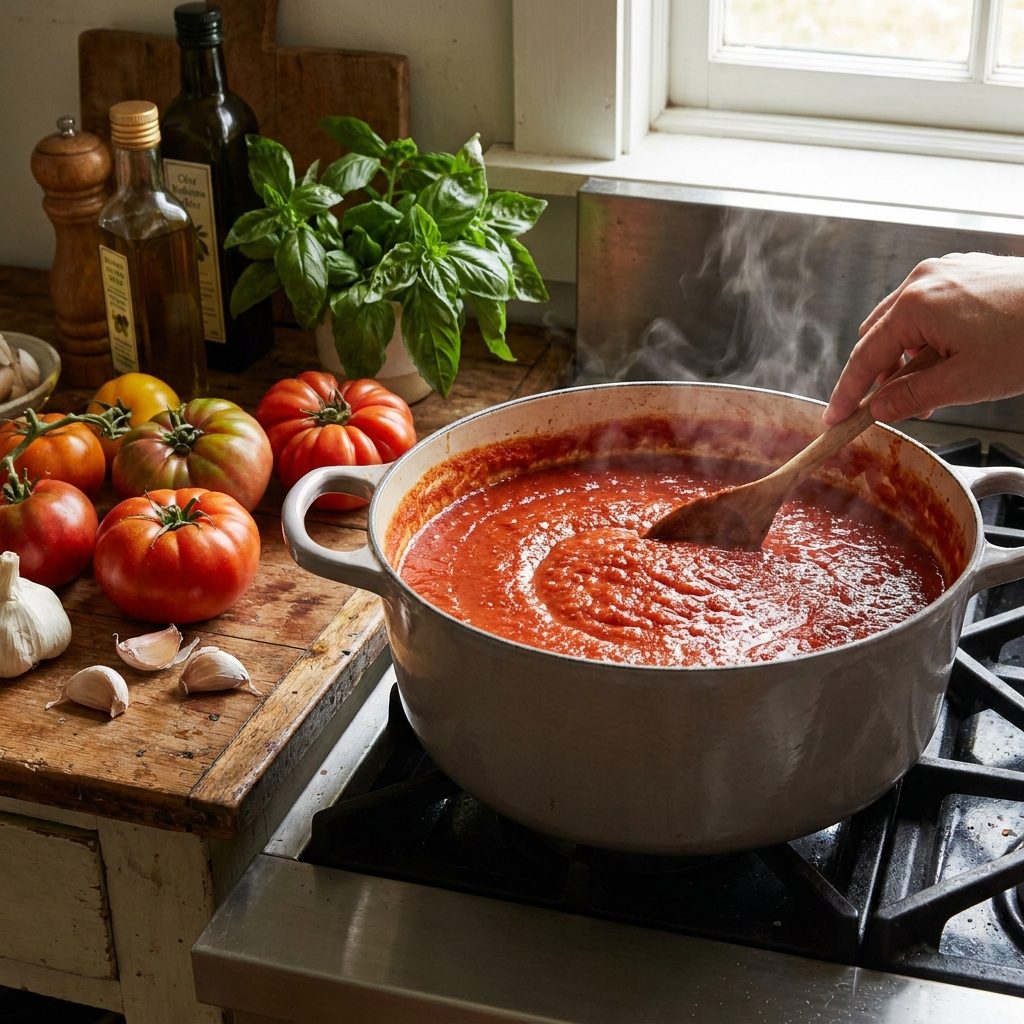
Great tomato sauce starts with quality fruit. Use San Marzano or plum tomatoes for their high flesh-to-seed ratio. If using fresh tomatoes, score the bottom with an 'X', blanch them in boiling water for 30 seconds, then shock in ice water to easily peel the skins. For canned tomatoes, opt for whole-peeled varieties as they are generally of higher quality than pre-crushed ones.
2. Building the Flavor Foundation
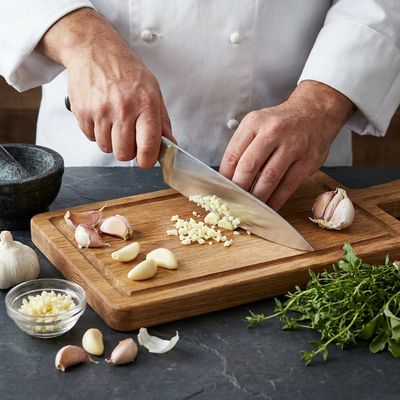
In a large saucepan or Dutch oven, heat two tablespoons of extra-virgin olive oil over medium heat. Add finely chopped onions and a pinch of salt. Cook until the onions are soft and translucent, about 5-8 minutes. Add minced garlic and cook for another 60 seconds. This step is crucial for developing a sweet, savory base without the harshness of raw aromatics.
3. The Reduction and Simmer
Pour in the tomatoes and any juices. Use a sturdy wooden spoon to break the tomatoes into smaller chunks. Bring the sauce to a low simmer—never a rolling boil. Let the sauce cook uncovered for 45 minutes to an hour. Stir occasionally to ensure the bottom doesn't scorch. This slow reduction thickens the sauce and transforms the bright acidity into a complex sweetness.
4. Final Seasoning and Texture
Once the sauce has thickened, taste it. Season with kosher salt and freshly ground black pepper. If the sauce is too acidity, add a half-teaspoon of sugar. For a rustic sauce, leave it as is; for a smooth marinara, use an immersion blender until silky. Stir in torn fresh basil leaves just before serving to maintain their vibrant color and aroma.
Tips for Best Results
-
·
<html><ul><li>Add a splash of red wine after sautéing the garlic to deglaze the pan and add complexity.</li><li>A tablespoon of butter stirred in at the end provides a professional, velvety finish and balances acidity.</li><li>If using fresh tomatoes that aren't perfectly ripe, add a tablespoon of tomato paste to boost the color and intensity.</li><li>Store leftovers in an airtight container for up to 5 days in the fridge or 6 months in the freezer.</li></ul></html>
Frequently Asked Questions
How do I stop my sauce from being too watery?
Can I use dried herbs instead of fresh?
Why does my sauce taste metallic?
Is it necessary to remove tomato skins?
What to Cook Next

Next Recipe
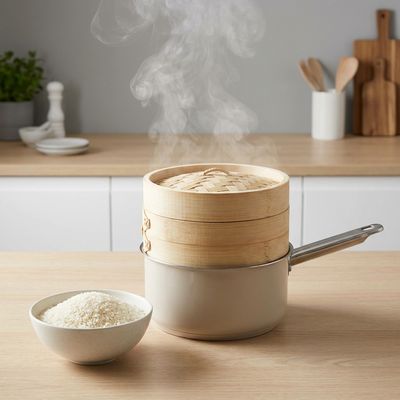
How to Steam Jasmine Rice
Jasmine rice is prized for its delicate floral aroma and soft, slightly sticky texture. This guide teaches you the essential culinary techniques to steam jasmine rice to perfection, whether you are using a stovetop or traditional equipment.
Similar Recipes to Try
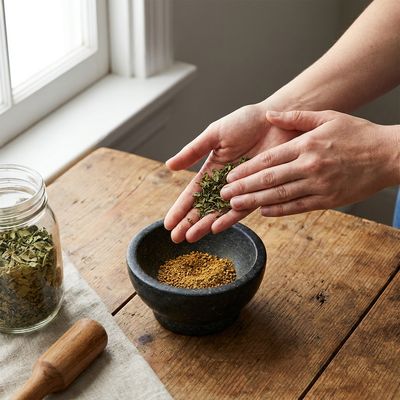
How to Crush Kasuri Methi
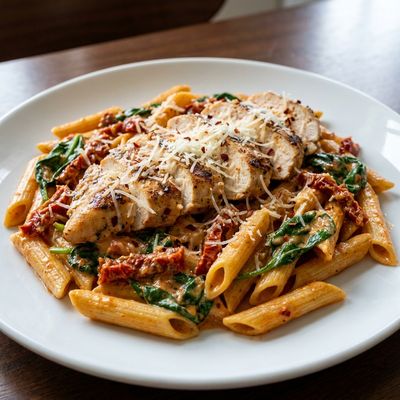
Creamy Sun-Dried Tomato Chicken Pasta
40 min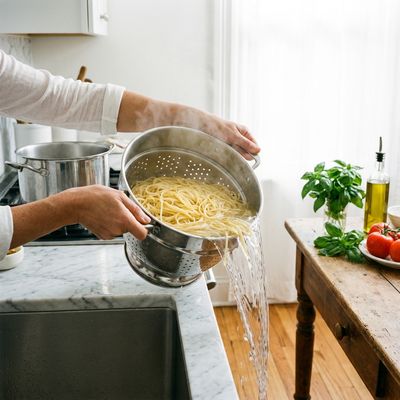
How to Drain Pasta
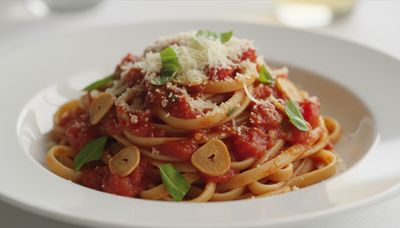
Pasta With Marinara Sauce
40 min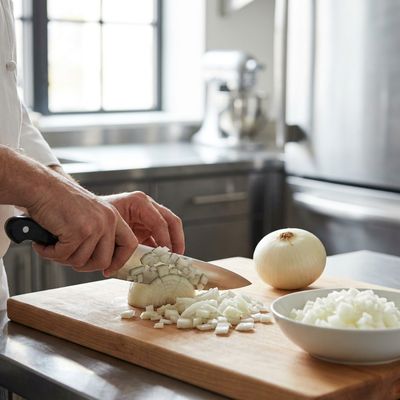
How to Dice Onions
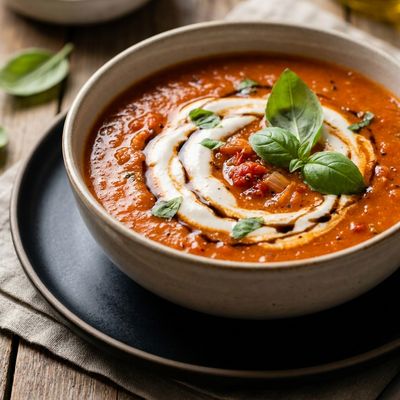
Creamy Roasted Tomato Soup with Cashew Cream
60 min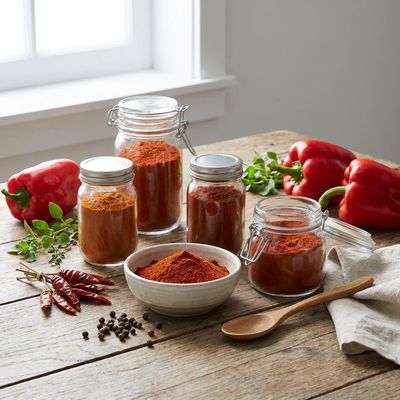
Paprika: Uses, Substitutes, and How to Store It
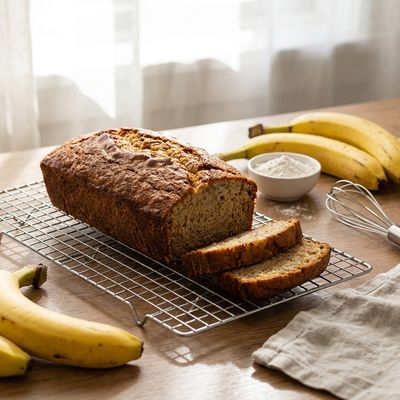
How To Make Banana Bread
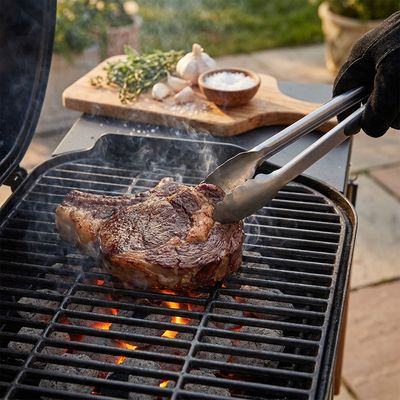
How To Grill Steak
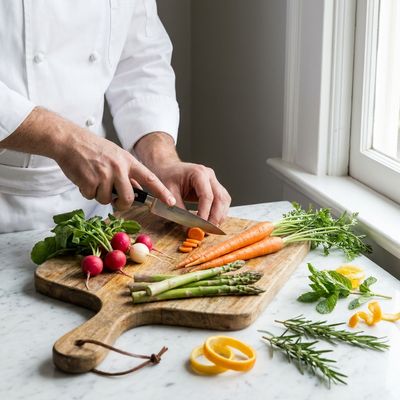
How to Trim Edges
Comments
(0)Sign in to leave a comment.
You Might Like
Ad Space Available
Be the first to leave a comment.