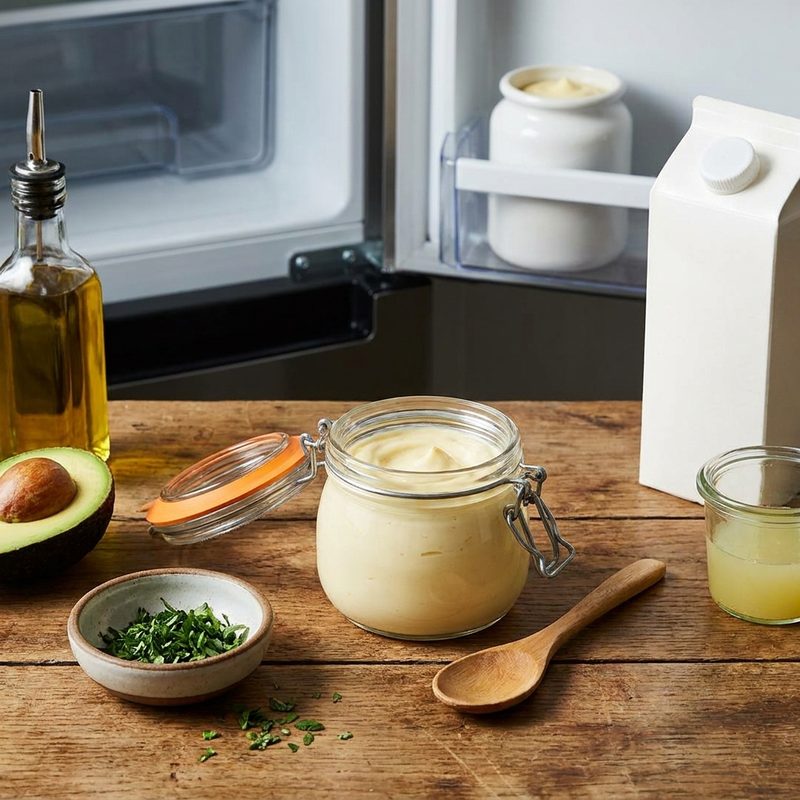
What Mayonnaise Is
Mayonnaise is a stable emulsion of oil, egg yolks, and an acid such as vinegar or lemon juice. Originating from 18th-century France, it is now a staple in many cuisines. The egg yolk acts as an emulsifier, allowing tiny oil droplets to suspend in water, creating a thick, creamy sauce. Commercial versions often include mustard, salt, and preservatives for stability. The standard ratio for homemade mayo is 1 egg yolk to 3/4 cup (180 ml) of oil, with 1 tablespoon (15 ml) of acid. The oil must be added drop by drop at first—about 1 teaspoon (5 ml) every 10 seconds—until the emulsion forms, then a thin, steady stream. If the mixture breaks (separates), rescue it by starting a new yolk and slowly whisking in the broken mixture. The ideal serving temperature is 40–50°F (4–10°C); below 32°F (0°C) the emulsion can crystallize and break.
How to Choose Mayonnaise
When buying mayonnaise, check the ingredient list: a good mayo should list oil and egg yolk first, with minimal additives. Full-fat versions (about 70% oil) offer the richest flavor and best emulsification for cooking. For a lighter option, look for reduced-fat or olive oil-based varieties, but note they may separate when heated above 140°F (60°C). Avoid brands with high sugar or starch fillers if you need a neutral base for dressings. Look for a pH below 4.1 (from added acid) to ensure safety and stability. If using in baking, choose a mayo with at least 65% oil to prevent a greasy texture. For aioli-style recipes, select a brand that lists olive oil as the first ingredient, but be aware that pure olive oil mayo can be bitter; a blend with 50% canola or grapeseed oil is milder.
How to Use Mayonnaise in Cooking
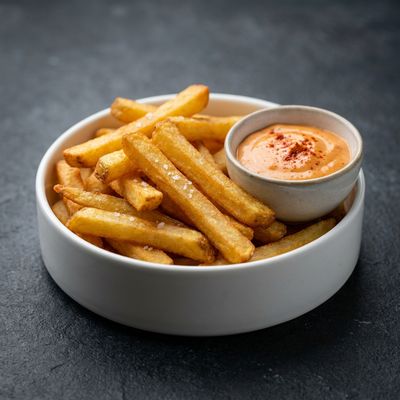
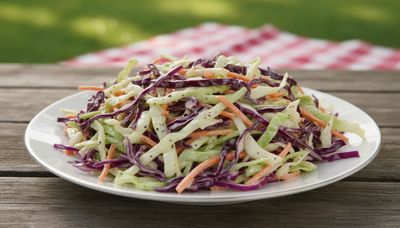
Mayonnaise is versatile beyond spreading on sandwiches. Use it as a base for creamy dressings: whisk 1/2 cup (120 ml) mayo with 2 tablespoons (30 ml) vinegar and 1 tablespoon (15 ml) mustard. For baked fish or chicken, spread a thin layer (about 1 tablespoon per 4 ounces (113 g) of protein) before coating with breadcrumbs to lock in moisture. In potato or pasta salad, mix 1 cup (240 ml) mayo with 2 tablespoons (30 ml) pickle relish and 1 teaspoon (5 g) paprika per pound (454 g) of cooked vegetables. For a quick aioli, stir 1/4 cup (60 ml) mayo with 1 crushed garlic clove and 1 teaspoon (5 ml) lemon juice. Use it to enrich scrambled eggs: add 1 tablespoon (15 ml) per 2 eggs just before serving for extra creaminess. For grilled cheese, spread 1 teaspoon (5 ml) mayo on the outside of each bread slice instead of butter; it browns at 350°F (177°C) and creates a crispier crust. In coleslaw, use 1/2 cup (120 ml) mayo per 4 cups (400 g) shredded cabbage, with 1 tablespoon (15 ml) apple cider vinegar and 1 teaspoon (5 g) sugar. For a dip, combine 1/2 cup (120 ml) mayo with 2 tablespoons (30 ml) ketchup and 1 tablespoon (15 ml) horseradish for a quick rémoulade.
Substitutes for Mayonnaise
Greek yogurt: Replace equal parts (1:1 ratio). It adds tang and creaminess but is less rich; best in dressings or dips. For a thicker consistency, strain yogurt through cheesecloth for 2 hours to remove whey. Vegan mayonnaise: Use 1:1, typically made from soy milk or aquafaba and oil. Works in most recipes but may have a slightly different mouthfeel; it can separate if heated above 160°F (71°C). Homemade aioli: Blend 1 clove garlic, 1 egg yolk, 1 teaspoon (5 ml) lemon juice, and slowly drizzle in 1/2 cup (120 ml) olive oil. Use in place of mayo at 1:1 ratio; it has a stronger garlic flavor and thinner consistency. Sour cream: Replace 1:1 but reduce other liquids by 1 tablespoon (15 ml) per cup (240 ml) to avoid thinning. Avocado: Mash 1/2 ripe avocado (about 60 g) to replace 1/4 cup (60 ml) mayo; use immediately to prevent browning. Hummus: Use 1:1 for a nutty, lower-fat option; best in sandwiches or wraps.
How to Store Mayonnaise
Unopened commercial mayonnaise can be stored in a cool, dark pantry at 50–70°F (10–21°C) for up to 6 months past the best-by date. Once opened, refrigerate at 40°F (4°C) or below and use within 2 months. Homemade mayo lasts only 3-5 days in the fridge due to raw eggs; add 1/2 teaspoon (2.5 ml) of lemon juice per yolk to extend shelf life by 1–2 days. Freezing is not recommended, as the emulsion breaks and becomes watery upon thawing. Always use a clean, dry utensil to avoid contamination. If mayo develops a sour smell, mold, or separation that doesn't re-emulsify when stirred, discard it immediately. For picnics, keep mayo below 40°F (4°C) using an ice pack; discard if left above 50°F (10°C) for more than 2 hours.
Common Mistakes
Overheating: Heating mayonnaise above 180°F (82°C) causes it to separate. Add mayo to warm dishes just before serving, or use low heat. For baked dishes, keep oven temperature below 375°F (190°C) and cover with foil to prevent direct heat. Using too much oil in homemade mayo: Adding oil too quickly or too much breaks the emulsion. Start with 1/4 cup (60 ml) oil, then drizzle very slowly while whisking—no more than 1 teaspoon (5 ml) every 5 seconds. If it breaks, whisk a new yolk with 1 teaspoon (5 ml) of the broken mixture, then slowly add the rest. Storing near heat: Leaving mayo on the counter for more than 2 hours (or 1 hour above 90°F/32°C) promotes bacterial growth. Always return to fridge promptly. Using cold ingredients for homemade mayo: Eggs and oil should be at room temperature (68–72°F/20–22°C) to emulsify properly; cold ingredients cause graininess. Over-whisking: Whisking too vigorously after the emulsion forms can invert it; use a gentle, steady motion. Adding acid too late: Add lemon juice or vinegar at the start with the yolk to stabilize the emulsion; adding it after oil can cause separation.
Key Takeaways
- ✓ <ul><li>For a richer flavor, let mayonnaise sit at room temperature for 15 minutes before using in cold dishes.</li><li>To fix a broken homemade mayo, whisk a new egg yolk and slowly drizzle the broken mixture into it.</li><li>Use a squeeze bottle for easy application on burgers or wraps.</li><li>Mix mayo with a splash of hot sauce or Worcestershire for an instant spicy spread.</li></ul>