What Cider Vinegar Is
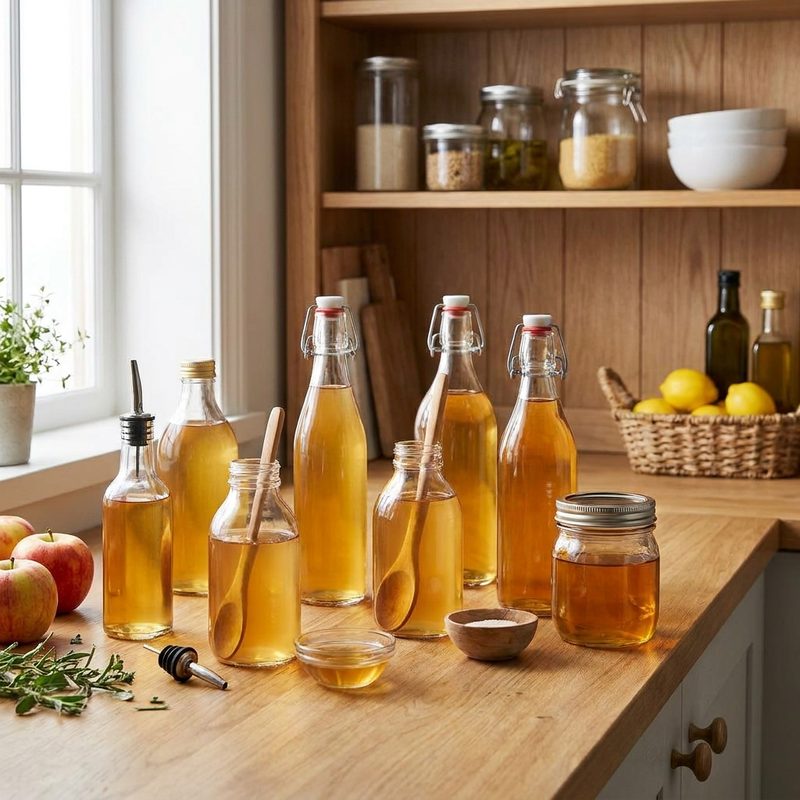
Cider vinegar, also known as apple cider vinegar, is produced by fermenting crushed apples. The natural sugars in apple cider are converted into alcohol by yeast, then a second fermentation with acetic acid bacteria turns the alcohol into acetic acid, giving vinegar its sour taste and pungent aroma. The result is a golden-brown liquid with a fruity, slightly sweet note that distinguishes it from distilled white vinegar. Unfiltered varieties contain the 'mother,' a cloudy sediment of beneficial bacteria and enzymes. The mother is composed of cellulose and acetic acid bacteria, and it can be used to start new batches of vinegar. The acetic acid concentration typically ranges from 4% to 8%, with 5% being standard for culinary use. The pH of cider vinegar is usually between 2.5 and 3.0, making it acidic enough for pickling but milder than white vinegar.
How to Choose Cider Vinegar
When buying cider vinegar, look for raw, unfiltered, and unpasteurized options if you want the most flavor and potential probiotic benefits. Check the label for 'with the mother' or 'raw' to ensure it retains that cloudy sediment. The acidity should be around 5% (50 grain), which is standard for culinary use. Avoid varieties with added colors, flavors, or preservatives. If you prefer a clearer appearance, filtered and pasteurized versions are fine for cooking, but they may have a milder taste. For pickling, use vinegar with at least 5% acidity to ensure safe preservation. Organic options are available and may have a more complex flavor profile due to the variety of apples used, such as Fuji, Gala, or Granny Smith. Price can vary from $3 to $10 per 16-ounce bottle, with raw unfiltered varieties typically on the higher end.
How to Use Cider Vinegar in Cooking
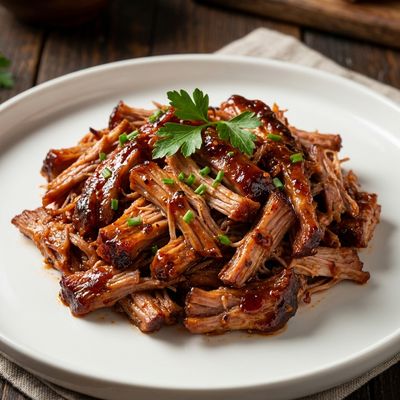
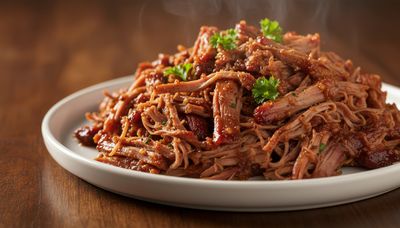
Cider vinegar shines in salad dressings, marinades, and pickling. For a simple vinaigrette, whisk 1 part cider vinegar with 3 parts olive oil, a teaspoon of Dijon mustard, salt, and pepper. For a creamy dressing, blend 2 tablespoons cider vinegar with 1/4 cup plain yogurt, 1 tablespoon honey, and a pinch of salt. Use it to deglaze pans when making pan sauces—add 1/4 cup to a hot pan after searing meat, scrape up browned bits, then simmer with 1 cup broth and 1 tablespoon butter. Add a splash to soups and stews for brightness: 1 tablespoon per quart of soup is a good starting point. It's excellent in barbecue sauces and braises, where it tenderizes meat and balances richness. For a basic brine for pork or chicken, mix 1/2 cup cider vinegar with 1/2 cup water, 2 tablespoons salt, and 1 tablespoon sugar per pound of meat; brine for 1-2 hours. For pickling, combine equal parts water and cider vinegar with salt and sugar—use 1 tablespoon salt and 2 tablespoons sugar per cup of liquid—then heat to 180°F and pour over vegetables like cucumbers, carrots, or onions. Let cool to room temperature, then refrigerate; pickles are ready in 24 hours.
Substitutes for Cider Vinegar
If you're out of cider vinegar, these swaps work well: 1) White wine vinegar: use an equal amount; it has a similar acidity and fruity note, though slightly less apple flavor. 2) Red wine vinegar: use equal parts; it's more robust and darker, but works in most recipes, especially in hearty dishes like stews. 3) Lemon juice: use 1 tablespoon lemon juice plus 1 teaspoon water for each tablespoon of cider vinegar; it adds a fresh citrus tang and is great in dressings and marinades. 4) Sherry vinegar: use 3/4 the amount; it has a nuttier, more complex flavor. 5) Rice vinegar: use an equal amount; it's milder and sweeter, so reduce added sugar in the recipe. Note that each substitute will slightly alter the final taste, so adjust seasonings accordingly. For pickling, white wine vinegar is the best substitute because of its similar acidity and clarity.
How to Store Cider Vinegar
Cider vinegar is shelf-stable and does not require refrigeration. Store it in a cool, dark place, like a pantry or cabinet, tightly sealed. Properly stored, it will keep indefinitely, but for best quality, use within 2-3 years. Refrigeration is not necessary, but if you want to slow the mother's development in unfiltered vinegar, you can refrigerate it. Freezing is not recommended; it can alter the flavor and texture. If you see sediment or a cloudy appearance, that's normal and harmless. The mother may form a gelatinous disc over time; this can be strained out if desired, but it's safe to consume. Avoid storing in metal containers, as the acid can react with the metal and cause off-flavors. Glass or food-grade plastic bottles are ideal.
Common Mistakes
1. Using too much: Cider vinegar is strong; start with small amounts and taste as you go. A little goes a long way. For dressings, begin with 1 tablespoon per 3 tablespoons oil; for marinades, use no more than 1/4 cup per cup of liquid. 2. Boiling it for extended periods: Prolonged heat can mute its bright flavor; add it near the end of cooking for maximum impact. If you need to reduce a sauce, add vinegar after reducing other liquids. 3. Storing in a clear bottle: Light can degrade quality over time; keep it in a dark bottle or cabinet to preserve flavor. 4. Using it for canning without verifying acidity: For safe home canning, ensure the vinegar has at least 5% acidity; lower acidity may not prevent botulism. 5. Substituting with balsamic vinegar in pickling: Balsamic is too sweet and low in acidity; it can alter the pH and spoil the pickles. 6. Overheating in marinades: If you boil a marinade containing cider vinegar, the acid can evaporate, reducing its tenderizing effect; add it after cooking or use it cold.
Key Takeaways
- ✓ <ul><li>Shake unfiltered cider vinegar well before each use to distribute the mother.</li><li>Use a glass or ceramic container for pickling; metal can react with the acid.</li><li>Add cider vinegar to fruit-based desserts to enhance sweetness.</li><li>Keep a small bottle in your lunch bag for quick salad dressings.</li></ul>