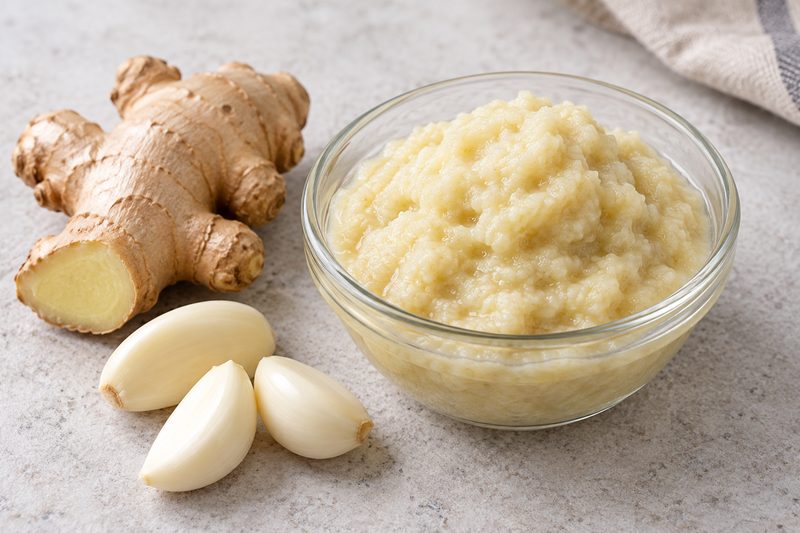
What It Is and Which Form You Have
Ginger is sold fresh, pickled, candied, dried and ground; those forms are not interchangeable without changing flavour and texture. Avoid fresh ginger that is dry, shrivelled or soft. Garlic is an Allium bulb made of cloves and is used to add flavour like an herb or spice. Dried garlic is sold as powder, granules or salt; garlic powder is the concentrated dried form and is not the same product as garlic salt. Identify the form before following a recipe: related forms can differ in texture, concentration, heat tolerance or the job they do in a dish.
How to Choose It
Tough ginger skin can be removed with a vegetable peeler or spoon before slicing or mincing. Choose firm bulbs with white or off-white skin; large, plump cloves are usually easier to peel and use. Use these concrete cues at the shop and again before preparation. If a sealed product has no source-backed visual test, follow its label and reject damaged packaging rather than guessing from appearance alone.
How to Use It in Recipes
Let the intended technique decide the form. A finishing ingredient, a blended ingredient and one expected to hold its shape are not always interchangeable, even when their names are similar.
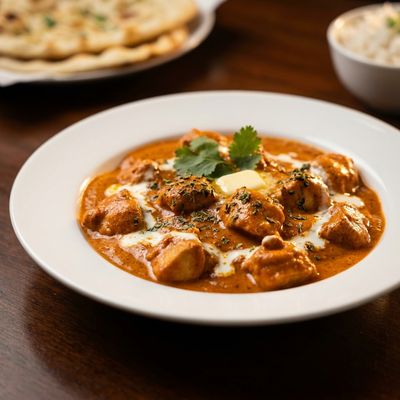
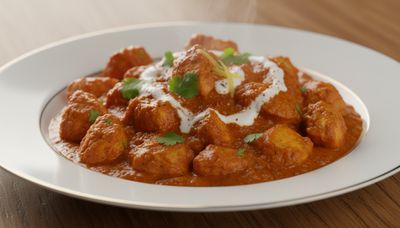
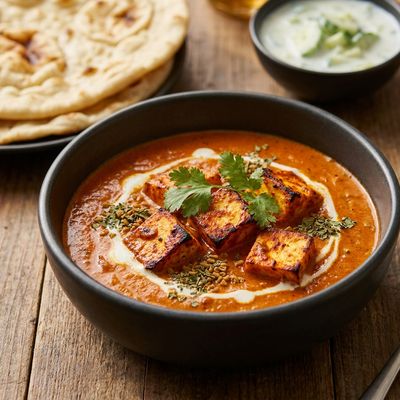
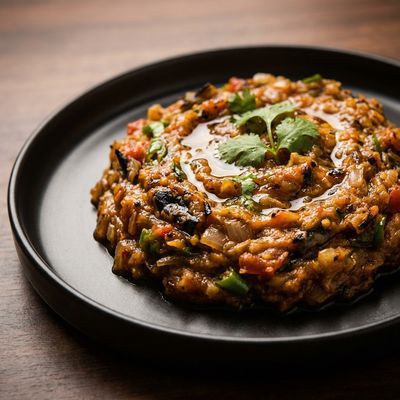
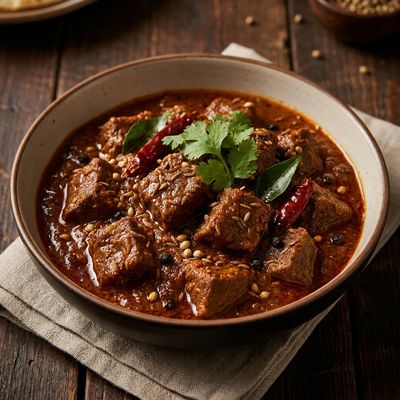
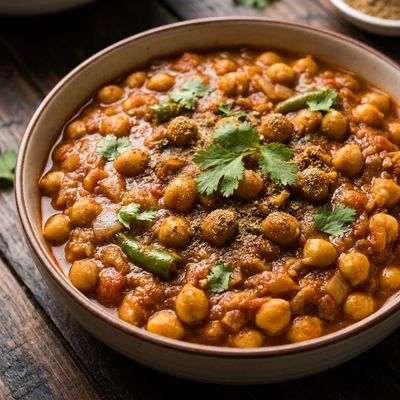
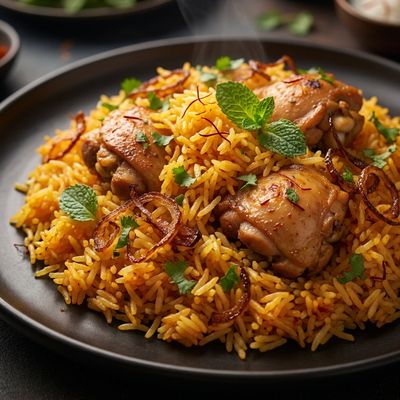
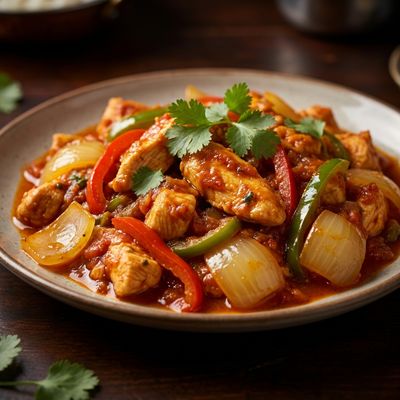
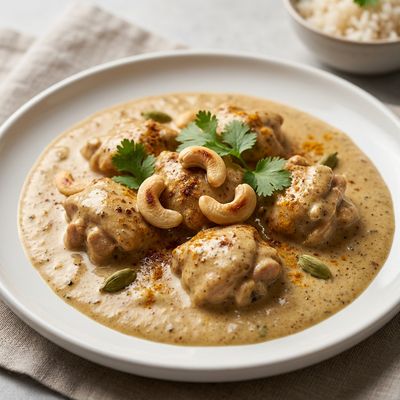
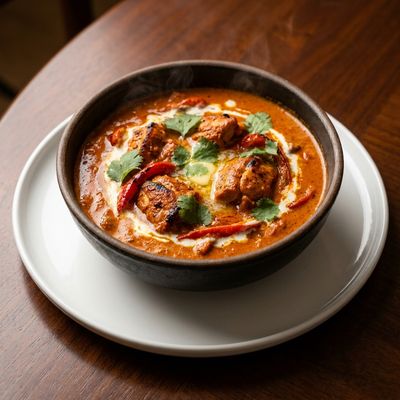
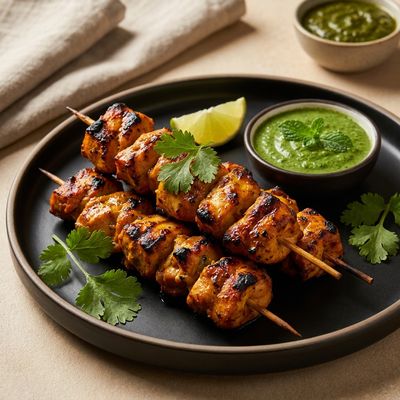
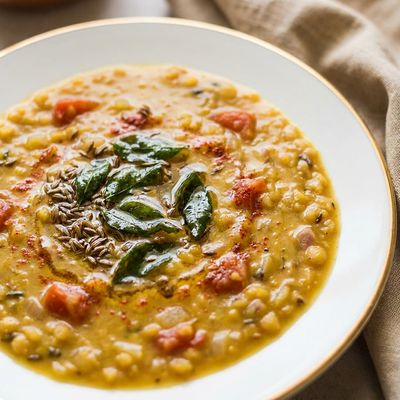
See Butter Chicken with Creamy Tomato Gravy for a concrete Recipe.net example. See Indian Chicken Tikka Masala for a concrete Recipe.net example. See Paneer Tikka Masala for a concrete Recipe.net example. See Baingan Bharta with Smoked Aubergine for a concrete Recipe.net example. These recipes contain an exact ginger-garlic paste match in their saved instructions, so they are practical next steps rather than loosely related recommendations.
How to Choose a Substitute
A plain ginger-garlic paste and a garlic-in-oil mixture are different products; any paste containing oil must follow the stricter garlic-in-oil rule. Choose a replacement by function, not by appearance alone. Unless the checked sources state a conversion, adjust cautiously and expect a change in flavour, texture or cooking behaviour instead of assuming a universal ratio.
How to Store It
Unpeeled fresh ginger can keep in the refrigerator for up to three weeks. Garlic-in-oil mixtures stored at room temperature can support botulism toxin formation. Fresh garlic-in-oil must be refrigerated at 40 degrees Fahrenheit or below and used within four days, or frozen for longer storage. Apply the instruction to the exact form and condition you have—whole, cut, opened, cooked or frozen. A storage window describes quality under the stated conditions; it never overrides clear signs of deterioration.
Common Mistakes to Avoid
Green shoots indicate an older bulb and can taste bitter, although the garlic remains usable. The avoidable mistake is carrying one rule across every form. Keep the ingredient dry or cold where the evidence requires it, and treat an explicit safety instruction as more important than convenience.
Sources
- The Many Benefits of Ginger (University of Illinois Extension)
- Fruit and Vegetable Guide Series: Garlic (Utah State University Extension)
- Freezing Garlic-In-Oil (National Center for Home Food Preservation)
Key Takeaways
- ✓ Read the recipe's full ingredient line before swapping ginger-garlic paste; the form and intended job matter.
- ✓ Store ginger-garlic paste according to its current condition—unopened, opened, cut or cooked—not by one blanket rule.
- ✓ Treat a missing ratio, temperature or storage period as unresolved instead of turning an estimate into a rule.