What It Is and Which Form You Have
Identify the form before following a recipe: related forms can differ in texture, concentration, heat tolerance or the job they do in a dish.
How to Choose It
Use these concrete cues at the shop and again before preparation. If a sealed product has no source-backed visual test, follow its label and reject damaged packaging rather than guessing from appearance alone.
How to Use It in Recipes
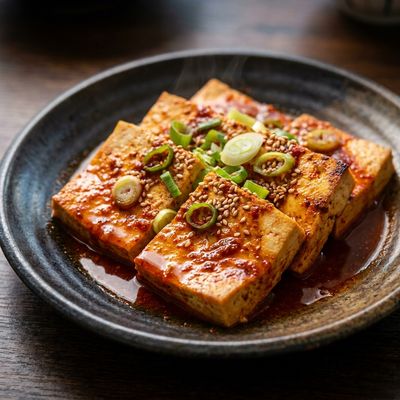
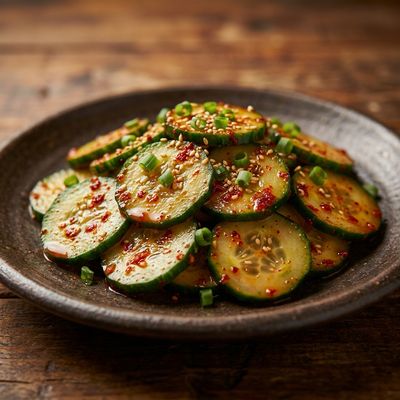
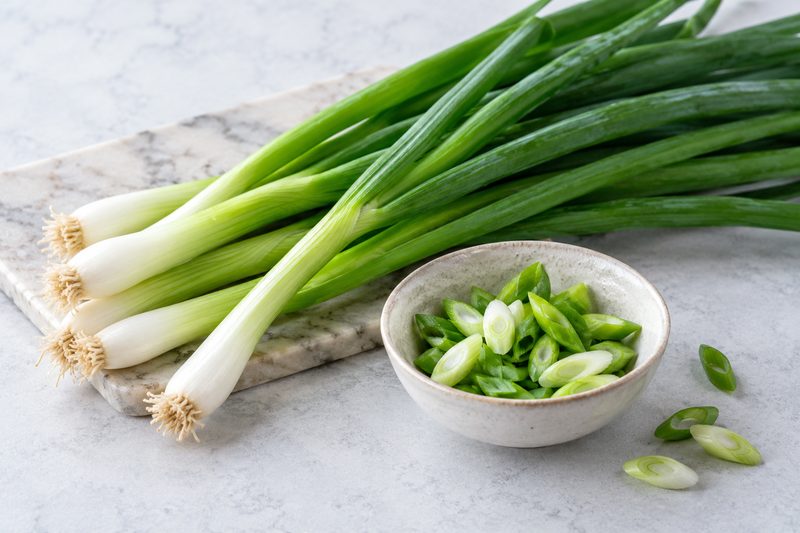
Scallions can be used raw, grilled whole, added to salads, or added near the end of stir-frying. Keep cut produce at 41 degrees Fahrenheit or below and use cut or cooked produce within seven days. Let the intended technique decide the form. A finishing ingredient, a blended ingredient and one expected to hold its shape are not always interchangeable, even when their names are similar.
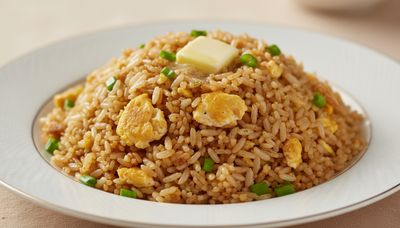
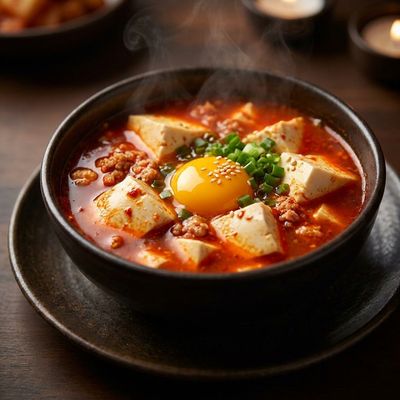
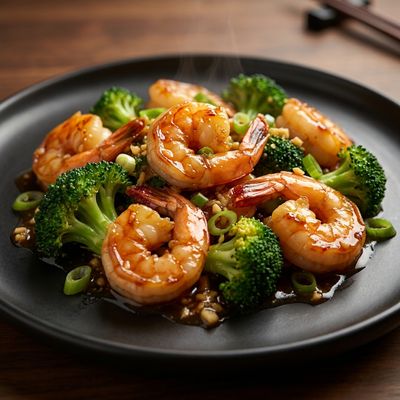
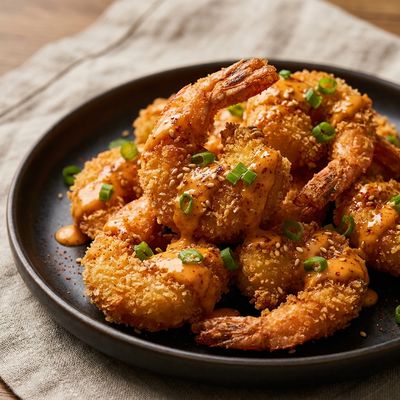
See Haemul Pajeon Seafood Spring Onion Pancake for a concrete Recipe.net example. See Egg Fried Rice for a concrete Recipe.net example. See Kimchi Fried Rice with Fried Egg for a concrete Recipe.net example. See Kimchi Jjigae Kimchi Stew with Pork for a concrete Recipe.net example. These recipes contain an exact green onions match in their saved instructions, so they are practical next steps rather than loosely related recommendations.
How to Choose a Substitute
Choose a replacement by function, not by appearance alone. Unless the checked sources state a conversion, adjust cautiously and expect a change in flavour, texture or cooking behaviour instead of assuming a universal ratio.
How to Store It
Wait to wash produce until preparation when practical because this helps preserve quality and shelf life. Apply the instruction to the exact form and condition you have—whole, cut, opened, cooked or frozen. A storage window describes quality under the stated conditions; it never overrides clear signs of deterioration.
Common Mistakes to Avoid
Scallions are also called bunching onions or green onions; true bunching onions do not form a bulb. Both the white and green portions are edible. Wash produce under cool running water; do not use soap, bleach or household cleaning products. The avoidable mistake is carrying one rule across every form. Keep the ingredient dry or cold where the evidence requires it, and treat an explicit safety instruction as more important than convenience.
Sources
- Growing Scallions in Home Gardens (University of Minnesota Extension)
- Washing Fresh Fruits and Vegetables Safely (University of Minnesota Extension)
Key Takeaways
- ✓ Read the recipe's full ingredient line before swapping green onions; the form and intended job matter.
- ✓ Store green onions according to its current condition—unopened, opened, cut or cooked—not by one blanket rule.
- ✓ Treat a missing ratio, temperature or storage period as unresolved instead of turning an estimate into a rule.