What Chives Is
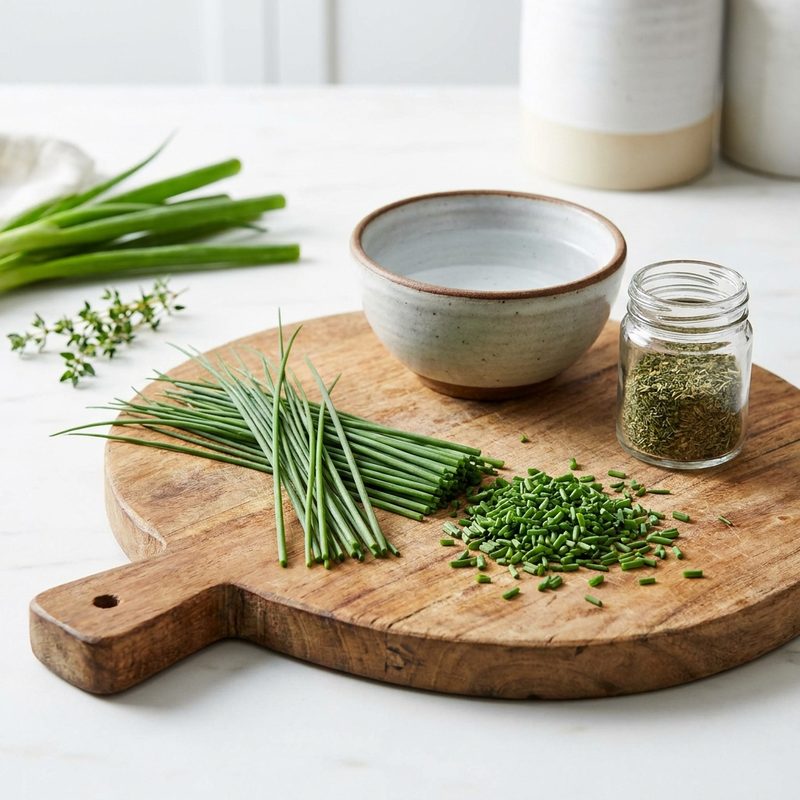
Chives are the edible leaves of a perennial herb in the onion family, Allium schoenoprasum. They are native to Europe, Asia, and North America, and have been used in cooking for centuries. Unlike their bulbous relatives (onions, garlic, leeks), chives are grown for their thin, hollow green stalks, which have a mild, grassy onion flavour. They are typically sold fresh in bunches, but also available dried or frozen. A fresh bunch weighs about 30-50 grams and yields roughly 1/2 cup snipped leaves. The flowers, which bloom in late spring, are also edible—pull apart the florets and use as a garnish for salads or soups for a subtle onion-garlic note and a pop of lavender colour.
How to Choose Chives
When buying fresh chives, look for bright green, firm stalks with no wilting or yellowing. The leaves should be crisp, not limp or slimy. Avoid bunches with any brown tips or signs of moisture at the base, as this indicates age or poor storage. For the best flavour, choose chives that are no more than a few days old, as they lose their delicate taste quickly. If the leaves feel dry or brittle, they are past their prime. In a pinch, you can revive slightly wilted chives by trimming 1/4 inch off the stem ends and standing them in a glass of cold water for 30 minutes before use.
How to Use Chives in Cooking
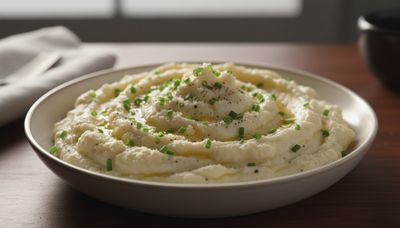
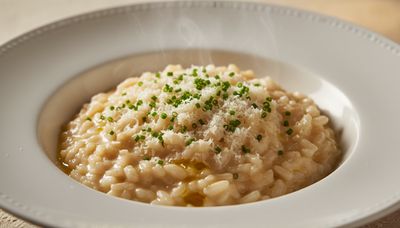
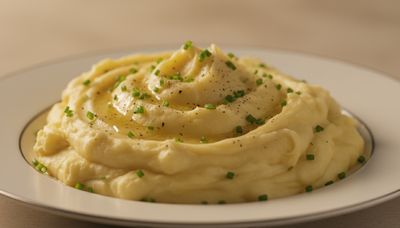
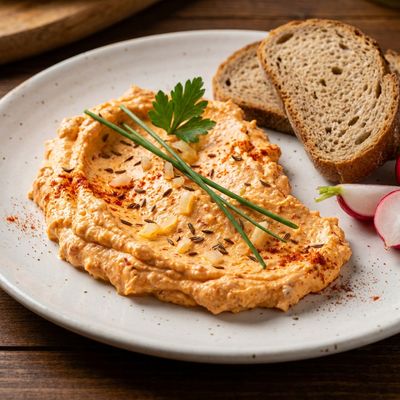
Chives are best used raw or added at the very end of cooking to preserve their mild flavour and bright colour. Finely snip them with scissors or a sharp knife—do not chop, as this bruises the leaves. Use them to garnish soups, salads, baked potatoes, omelettes, and creamy dips. They also work well in compound butter, cream cheese spreads, and as a topping for grilled fish or chicken. A general rule: add 1-2 tablespoons of snipped chives per serving for a gentle onion note. For compound butter, mix 1/4 cup snipped chives into 1/2 cup softened unsalted butter (113 grams), then roll in parchment paper and chill for at least 1 hour. For a classic baked potato topping, combine 2 tablespoons snipped chives with 1/4 cup sour cream and a pinch of salt. In vinaigrettes, whisk 1 tablespoon snipped chives into 3 tablespoons olive oil, 1 tablespoon white wine vinegar, and a pinch of salt and pepper. Avoid adding chives to dishes that require long simmering—they will turn brown and bitter if heated for more than 1 minute.
Substitutes for Chives
If you don't have chives, try these three swaps:
1. Scallions (green parts only): Use 1 teaspoon of finely sliced scallion greens for every 1 teaspoon of chives. The flavour is slightly stronger, so start with less and adjust. Scallion greens are also more fibrous, so snip them very thin (1/16 inch) to mimic chives' texture.
2. Garlic chives (Chinese chives): Use a 1:1 ratio, but note they have a distinct garlic flavour, so they work best in savoury dishes where garlic is welcome. Garlic chives are flatter and tougher than common chives, so snip them into 1/4-inch pieces and add only during the last 10 seconds of cooking.
3. Dried chives: Use 1 teaspoon of dried chives for every 1 tablespoon of fresh. Dried chives are less pungent, so rehydrate them in a little warm water for 5 minutes before using, or add them early in cooking to soften. For best results, use dried chives within 6 months of opening, as they lose flavour rapidly. Avoid using onion powder as a substitute—it lacks the grassy freshness and can make dishes taste flat.
How to Store Chives
Fresh chives are best stored in the refrigerator. Wrap the bunch in a damp paper towel, place it in a loosely sealed plastic bag, and keep in the crisper drawer for up to 5 days. For longer storage, freeze them: snip the chives into small pieces, spread on a baking sheet, freeze for 1 hour, then transfer to a freezer bag. Frozen chives will keep for 3-4 months and can be used directly from the freezer—no need to thaw. Dried chives should be kept in an airtight container in a cool, dark cupboard for up to 1 year. To test dried chives for freshness, crush a small piece between your fingers: if it releases a strong onion aroma, they are still good; if it smells musty or faint, replace them. Avoid storing fresh chives in a sealed container without moisture—they will wilt within 24 hours.
Common Mistakes
1. Chopping chives with a dull knife: Dull blades crush the leaves, causing them to release moisture and lose flavour. Always use a sharp knife or scissors to snip them cleanly. A pair of kitchen shears works best—snip directly over the dish to avoid bruising.
2. Adding chives too early in cooking: Prolonged heat destroys their delicate flavour and turns them dull green. Stir them in during the last 30 seconds of cooking or sprinkle raw on finished dishes. For hot soups, add chives just before serving, not during the boil.
3. Storing chives in a sealed container without moisture: Chives wilt quickly if left dry in the fridge. Always wrap them in a damp paper towel to maintain humidity and crispness. If the paper towel dries out, remoisten it every 2 days.
4. Overdrying frozen chives: If you freeze chives without snipping them first, they will form a solid clump that is difficult to portion. Always snip before freezing, and use within 4 months to avoid freezer burn.
Key Takeaways
- ✓ <ul><li>Use scissors to snip chives directly over your dish—it's faster and prevents bruising.</li><li>For a milder flavour, soak snipped chives in ice water for 10 minutes, then drain and pat dry.</li><li>Add chives to scrambled eggs just before they set, so they stay bright and fresh.</li><li>To revive wilted chives, trim the ends and place them in a glass of cold water for 30 minutes.</li></ul>