Step 1: Proper Thawing and Prep
If using frozen shrimp, thaw them safely by placing them in a bowl of cold water for about 15 to 20 minutes. Avoid using warm or hot water, as this begins to cook the exterior. Once thawed, pat the shrimp completely dry with paper towels. Removing surface moisture is critical for achieving a proper sear rather than steaming the shrimp in the pan.
Step 2: Cleaning and Deveining
To peel, pull off the legs and use your thumbs to crack the shell open along the underside, pulling it away from the meat. You may leave the tail on for a decorative look or remove it. To devein, make a shallow incision along the back of the shrimp with a small paring knife and lift out the dark digestive tract. Rinse briefly under cold water if necessary.
Step 3: Sautéing (The Skillet Method)
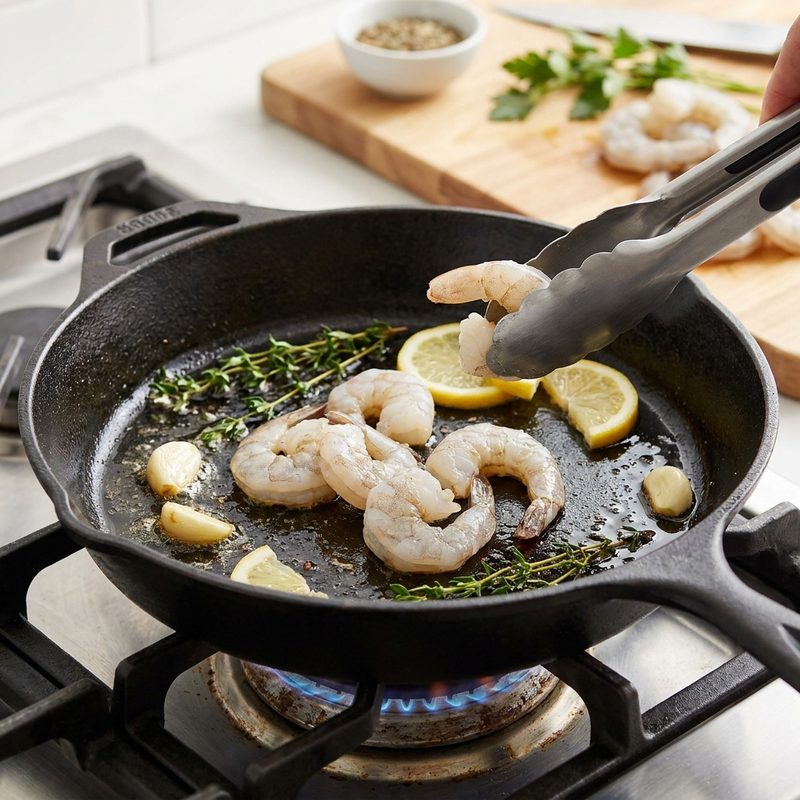
Heat a large skillet over medium-high heat and add a tablespoon of oil or butter. Once the fat is shimmering, add the shrimp in a single layer, ensuring they aren't crowded. Cook for about 2 minutes on the first side until the edges turn pink. Flip and cook for another 1 to 2 minutes. The shrimp are finished when they turn opaque and form a gentle 'C' shape.
Step 4: Poaching or Boiling
Fill a large pot with water and add aromatics like lemon slices, peppercorns, or bay leaves. Bring to a boil, then immediately reduce to a simmer. Add the shrimp and cook for 2 to 5 minutes depending on their size. As soon as they are pink and opaque, drain them and submerge them in an ice bath to stop the cooking process immediately, which prevents a rubbery texture.
Step 5: Grilling and Roasting
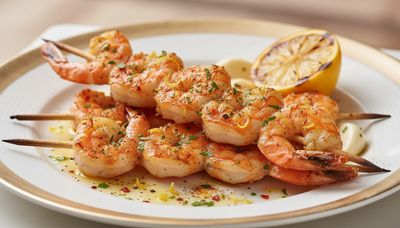
For grilling, thread shrimp onto skewers and brush with oil. Grill over direct medium-high heat for 2-3 minutes per side. For roasting, toss shrimp with seasonings on a sheet pan and bake at 400°F (200°C) for 6 to 8 minutes. Both methods benefit from high heat to caramelize the exterior quickly without overcooking the delicate interior.
Key Takeaways
- ✓ <html><ul><li><b>Watch the Shape:</b> Shrimp that are shaped like a 'C' are perfectly cooked; those that have curled into a tight 'O' are overcooked and will likely be tough.</li><li><b>The Baking Soda Secret:</b> Tossing raw shrimp with a pinch of salt and 1/4 teaspoon of baking soda for 15 minutes before cooking helps keep them plump and gives them a 'snappy' texture.</li><li><b>Brine for Flavor:</b> A quick 15-minute soak in a salt and sugar brine helps the shrimp retain moisture during high-heat cooking.</li><li><b>Don't Fear Frozen:</b> Most 'fresh' shrimp at the grocery store was previously frozen. Buying it frozen yourself often ensures better quality as it stays at a stable temperature until you are ready to cook.</li></ul></html>