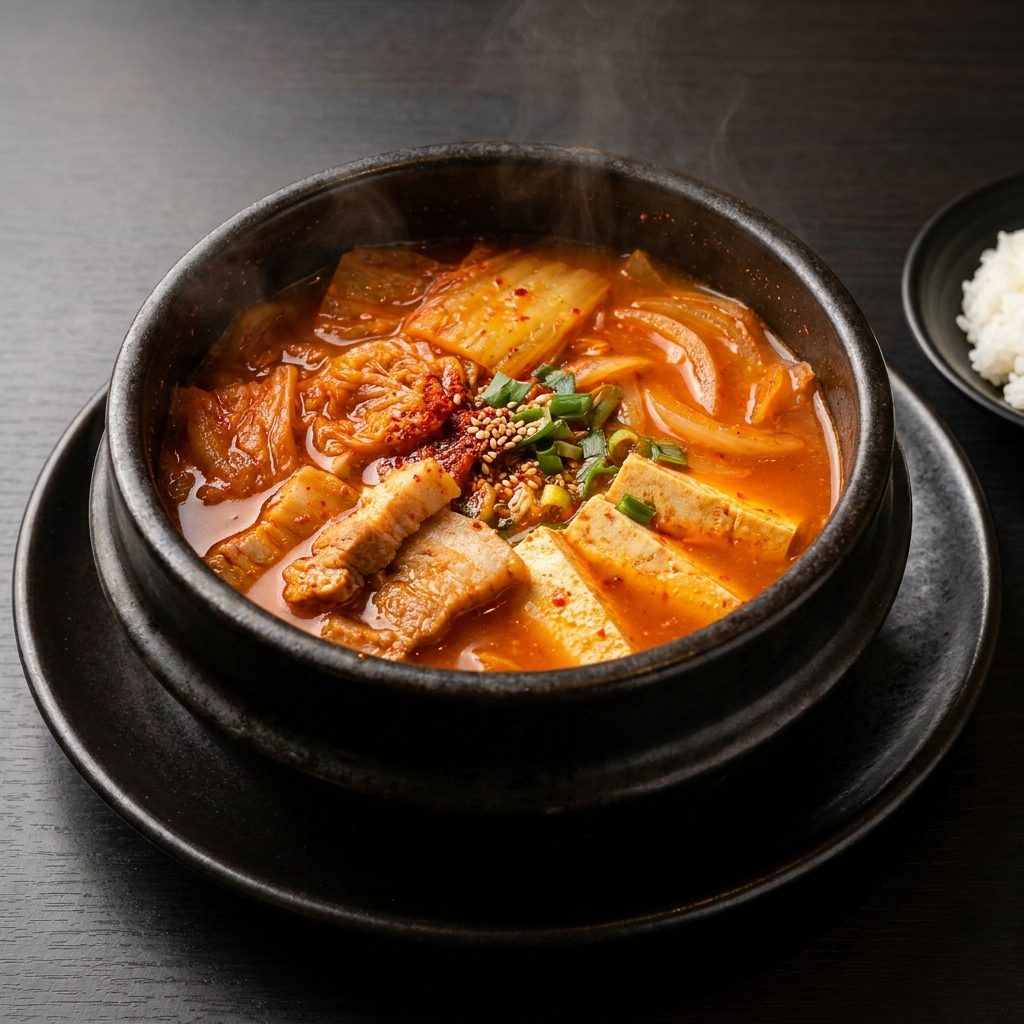
Recipe Details
"A comforting bowl of Kimchi Jjigae is the ultimate Korean soul food, balancing spicy, sour, and savory flavors in every spoonful. Fermented kimchi is simmered with succulent pork belly and silky tofu to create a deep, complex broth that pairs perfectly with steamed rice."
Ingredients
| Qty | Item |
|---|---|
| 2 cups | Aged Kimchi (cut into bite-sized pieces) |
| 1/2 lb | Pork Belly (sliced into thin strips) |
| 1/4 cup | Kimchi Juice (brine from the jar) |
| 1/2 package | Firm Tofu (sliced into 1/2 inch thick rectangles) |
| 1/2 medium | Onion (thinly sliced) |
| 3 stalks | Green Onions (chopped) |
| 2 tbsp | Gochugaru (Korean red chili flakes) |
| 1 tbsp | Gochujang (Korean red chili paste) |
| 1 tbsp | Garlic (minced) |
| 3 cups | Anchovy Broth or Water |
| 1 tbsp | Toasted Sesame Oil |
| 1 tsp | Sugar |
How to Make Kimchi Jjigae Kimchi Stew with Pork
In a heavy-bottomed pot or a Korean dolsot (stone pot), heat the sesame oil over medium-high heat. Add the pork belly and cook until lightly browned.
Add the kimchi, onions, garlic, gochugaru, and gochujang. Stir-fry for about 5 minutes until the kimchi softens and absorbs the fat from the pork.
Pour in the kimchi juice and the anchovy broth (or water). Bring the mixture to a boil.
Once boiling, reduce the heat to medium-low. Add the sugar (this helps balance the acidity of the kimchi) and simmer for 15-20 minutes to allow the flavors to deepen.
Gently lay the tofu slices on top of the stew and add half of the green onions. Simmer for an additional 5 minutes until the tofu is heated through.
Garnish with the remaining green onions and serve piping hot with a bowl of steamed white rice.
Tips for Best Results
-
·
Always use 'old' or well-fermented kimchi. Fresh kimchi will not provide the necessary sourness or depth of flavor.
-
·
Using 'rice water' (the water used to rinse rice) instead of plain water adds a subtle silkiness and body to the broth.
-
·
If the stew tastes too sour, add a little more sugar to neutralize the acidity.
-
·
Sautéing the kimchi with the pork fat before adding the liquid is the secret to a rich, professional-tasting broth.
Frequently Asked Questions
Can I use a different protein instead of pork belly?
How do I know if my kimchi is fermented enough?
Can I make this recipe less spicy?
How long does Kimchi Jjigae last in the fridge?
What to Cook Next


Next Recipe
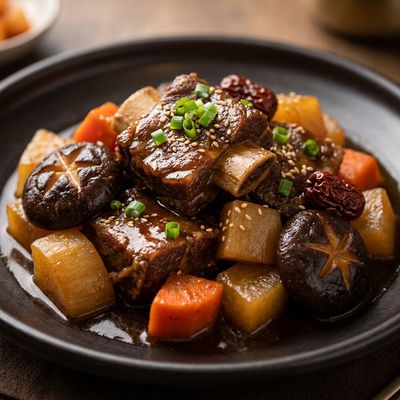
Galbijjim Braised Beef Short Ribs
Experience the ultimate comfort food with this authentic Galbijjim, featuring melt-in-your-mouth beef short ribs simmered in a rich, soy-pear sauce. This classic Korean holiday dish balances sweet and savory flavors perfectly with tender vegetables and traditional garnishes.
Similar Recipes to Try
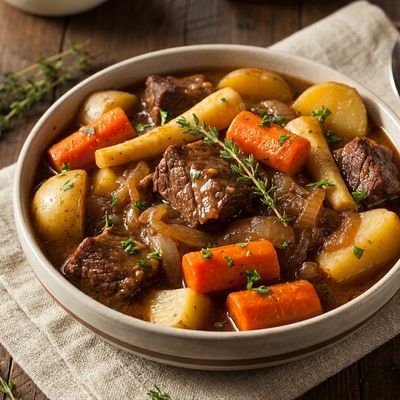
Slow-Cooker Beef and Root Vegetable Stew
500 min
Red Lentil Soup
45 min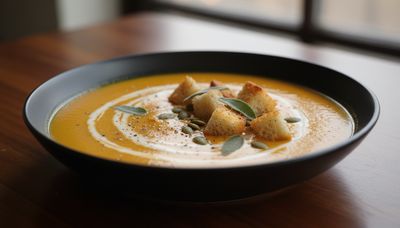
Winter Squash Soup
65 min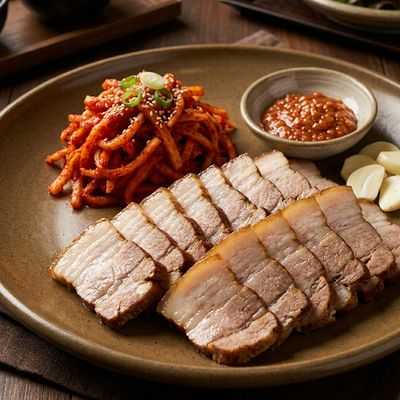
Bossam Boiled Pork Belly with Radish Salad
80 min
Creamy Roasted Butternut Squash Soup
65 min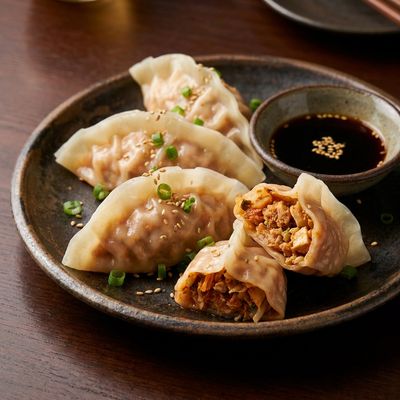
Kimchi Mandu Korean Dumplings
60 min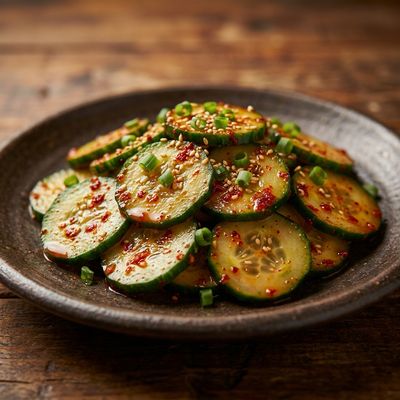
Oi Muchim Spicy Cucumber Salad
15 min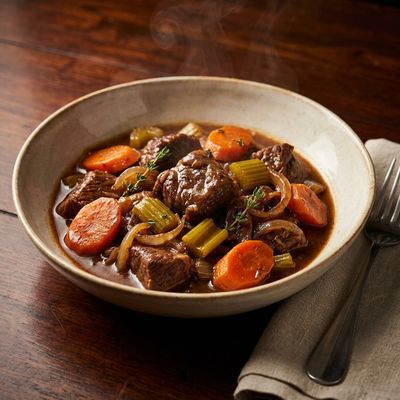
Slow-Cooked Beef and Guinness Stew
265 min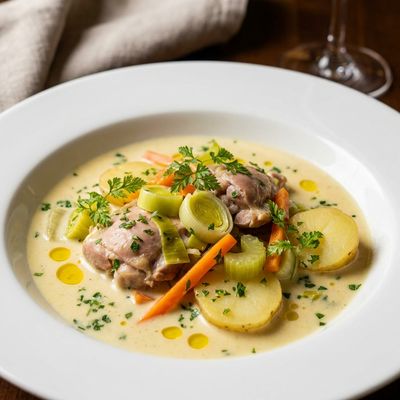
Belgian Chicken Waterzooi from Ghent
60 min
Homemade Chicken Stock
255 minComments
(0)Sign in to leave a comment.
You Might Like


Ad Space Available
Be the first to leave a comment.