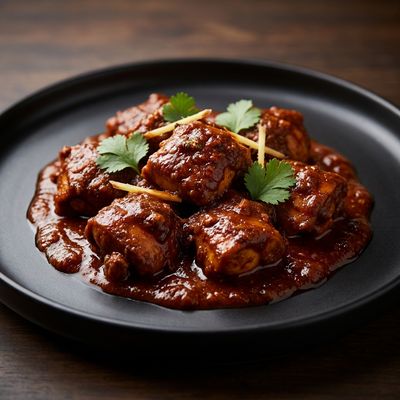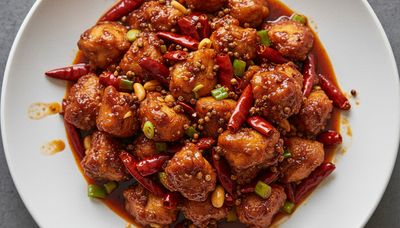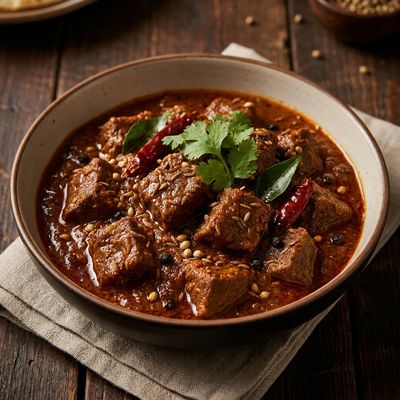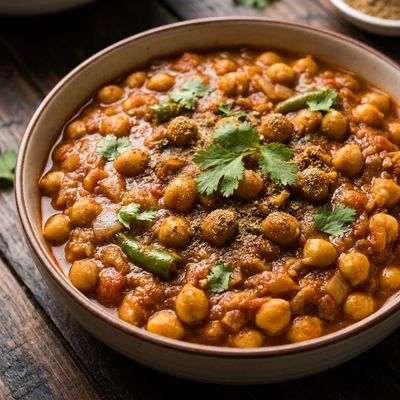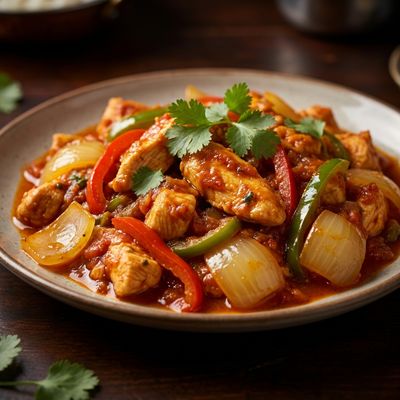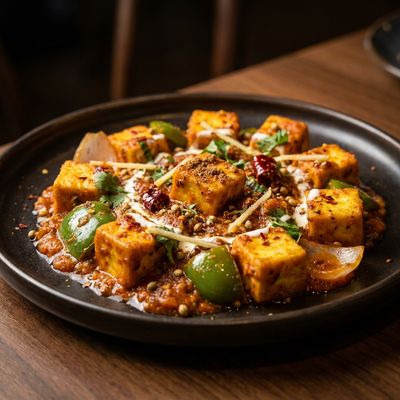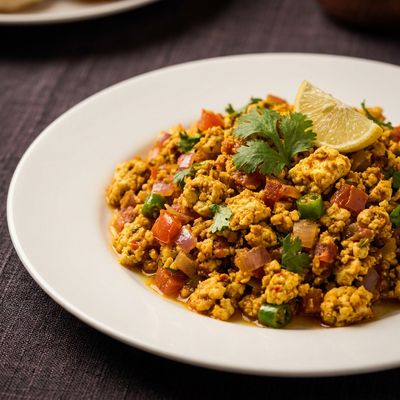
What Chilies Is
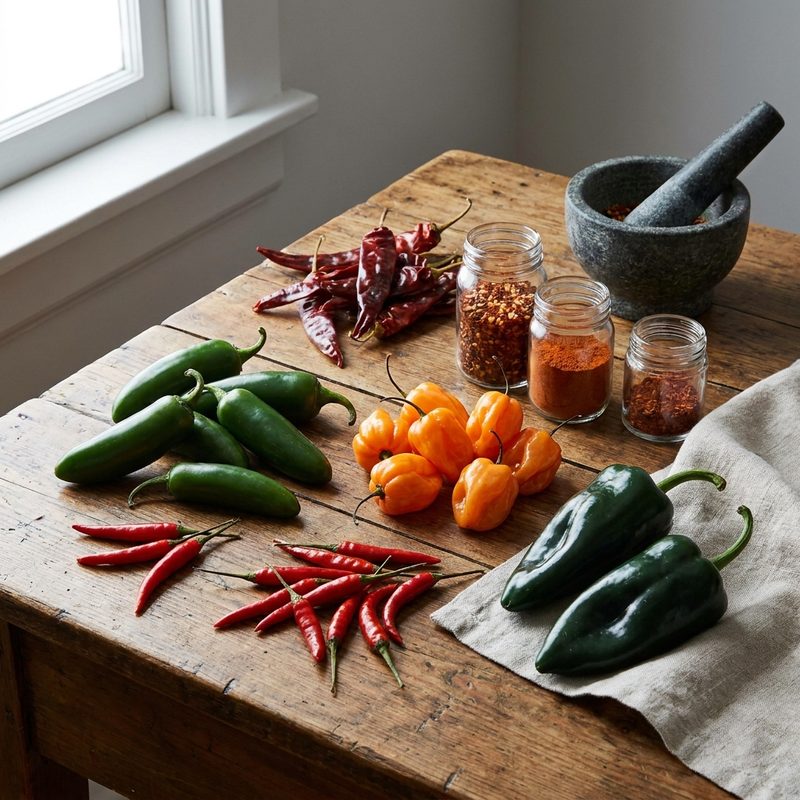
Chilies are the fruits of plants belonging to the genus Capsicum, part of the nightshade family (Solanaceae). They originated in Central and South America and have been cultivated for thousands of years. The heat of a chili comes from capsaicin, a compound concentrated in the white pith and seeds. Chilies range from sweet bell peppers (zero heat) to extremely hot varieties like the Carolina Reaper, with heat measured on the Scoville scale. They are used fresh, dried, powdered, or as a paste in cuisines around the world, from Mexican and Thai to Indian and Hungarian.
How to Choose Chilies
When selecting fresh chilies, look for firm, glossy skin without wrinkles, soft spots, or mold. The stem should be green and fresh, not dried out. For dried chilies, choose ones that are pliable, not brittle, with a deep, even colour and a fragrant, smoky or fruity aroma. Avoid any with holes, dust, or signs of moisture. For ground chili powder, check the colour is vibrant and the smell is pungent; it should be stored in an airtight container away from light.
How to Use Chilies in Cooking
Chilies can be used whole, sliced, diced, or pureed. For fresh chilies, remove the stem and seeds if you want less heat; keep them for maximum heat. Dried chilies are often rehydrated in hot water for 15-20 minutes before blending into sauces or salsas. Toast dried chilies in a dry pan for 1-2 minutes until fragrant, then grind or soak. Add fresh chilies early in cooking for a mellow heat, or at the end for a sharper, brighter kick. A general rule: 1 teaspoon of chili powder equals about 1 dried chili, and 1 tablespoon of fresh minced chili equals about 1 medium jalapeño.
Substitutes for Chilies
If you lack fresh chilies, use 1 teaspoon of red pepper flakes per 1 medium fresh chili (e.g., jalapeño). This will add heat but not the same fruity or smoky notes. For dried chilies, substitute 1 teaspoon of chili powder (a blend of ground chilies and other spices) per 1 dried chili; expect a milder, more complex flavour. For a non-spicy substitute, use 1 tablespoon of smoked paprika per 1 teaspoon of chili powder; this adds a smoky depth without heat. Adjust quantities to taste, as heat levels vary.
How to Store Chilies
Store fresh chilies in a paper bag or perforated plastic bag in the refrigerator crisper drawer; they will last 1-2 weeks. Do not wash them before storing. Dried chilies keep in an airtight container in a cool, dark pantry for up to 1 year. For longer storage, freeze fresh chilies whole or chopped in a sealed bag for up to 6 months; they will soften but remain usable for cooked dishes. Ground chili powder should be used within 6 months for best flavour, stored in a dark, dry place.
Common Mistakes
One common mistake is adding chili too late in cooking, resulting in a raw, harsh heat. Instead, add it early to allow the flavour to meld. Another error is using too much of a very hot chili without tasting; always start with a small amount and increase gradually. Third, not wearing gloves when handling hot chilies can lead to skin irritation and accidental eye contact; wear disposable gloves or wash hands thoroughly with soap and oil after handling.
Key Takeaways
- ✓ <ul><li>To reduce heat, remove the seeds and white pith before using fresh chilies.</li><li>Toast dried chilies in a dry skillet over medium heat for 1-2 minutes to deepen their flavour.</li><li>Soak dried chilies in hot water for 15-20 minutes to rehydrate before blending into sauces.</li><li>Store fresh chilies unwashed in a paper bag in the fridge to extend their shelf life.</li></ul>