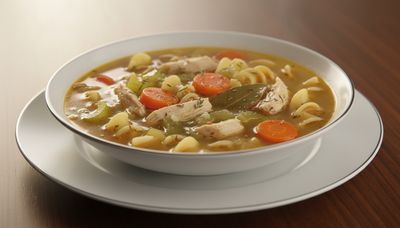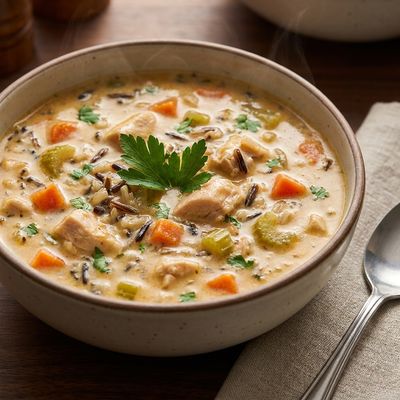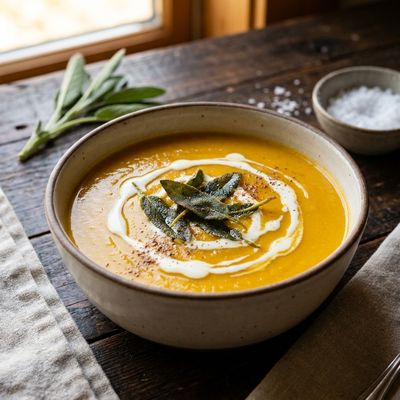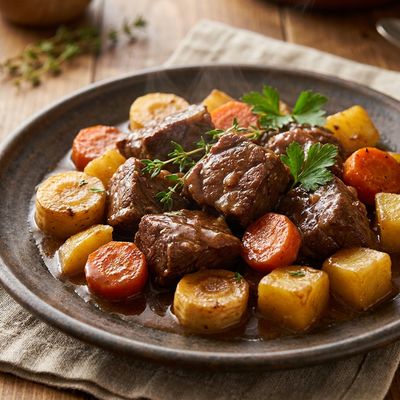
Step 1: Cool the Soup Rapidly
Never put a large pot of boiling hot soup directly into the refrigerator, as this can raise the internal temperature of the fridge and put other foods at risk. To cool quickly, transfer the soup into smaller, shallow containers to increase surface area. For thick stews, you can place the pot in an ice bath in the sink, stirring occasionally until the temperature drops below 40°F (4°C).
Step 2: Choose the Right Containers
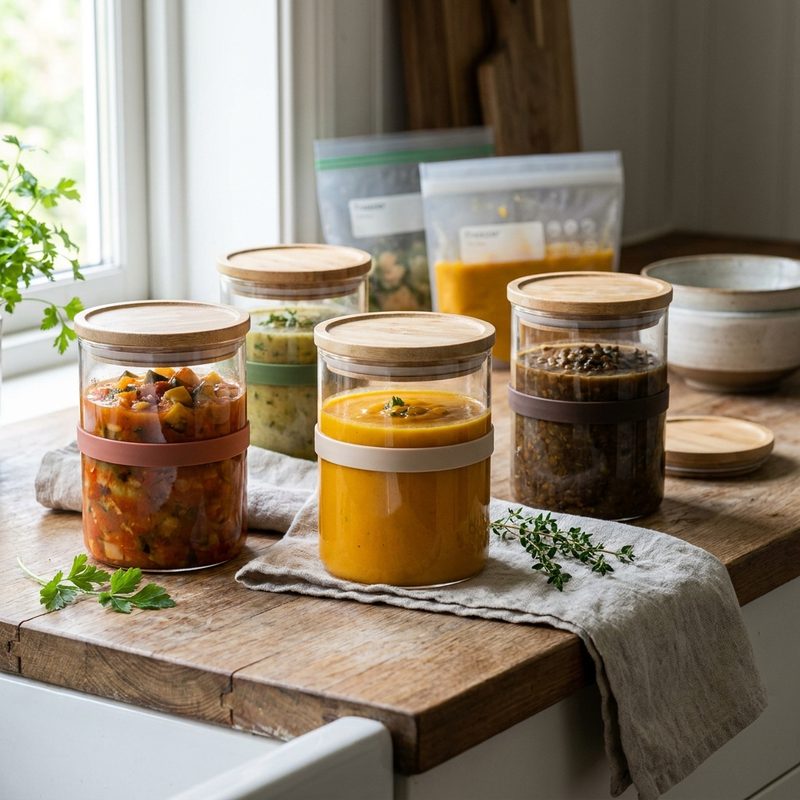
Select airtight containers to prevent oxidation and the absorption of other fridge odors. For the refrigerator, glass or BPA-free plastic containers work well. For the freezer, use heavy-duty freezer bags or tempered glass jars. If using bags, squeeze out as much air as possible before sealing to prevent freezer burn.
Step 3: Leave Headspace for Expansion
When freezing liquid-based meals like soup, always leave at least an inch of 'headspace' at the top of the container. Liquids expand as they freeze; if the container is too full, the lid may pop off or a glass jar may crack, ruining your hard work.
Step 4: Label and Date Everything
Once your soup is portioned and sealed, use masking tape and a permanent marker to label the container with the name of the dish and the date it was made. Most soups look identical once frozen, and labeling ensures you use the oldest items first, following the 'First In, First Out' rule.
Step 5: Storage and Thawing
Store soup in the refrigerator for up to 3 to 4 days. For long-term storage, the freezer will keep soup safe for 2 to 3 months for best quality. When you are ready to eat, thaw the soup overnight in the refrigerator or use the defrost setting on your microwave before reheating on the stovetop.
Key Takeaways
- ✓ <html><ul><li>Freeze soup in individual portions to make a quick and easy lunch for one.</li><li>Store soup flat in freezer bags to save vertical space and allow for faster thawing.</li><li>Avoid freezing soups with heavy cream or pasta; instead, add these ingredients fresh when reheating to maintain the best texture.</li><li>Use a piece of plastic wrap pressed directly against the surface of the soup before lidding to prevent a 'skin' from forming.</li></ul></html>