1. Preparation and Drying
The secret to crispy skin is lack of moisture. Remove the chicken from its packaging and pat the skin thoroughly dry with paper towels, both inside and out. For the best results, place the chicken on a plate uncovered in the refrigerator for a few hours or overnight to air-dry the skin further.
2. Seasoning and Aromatics
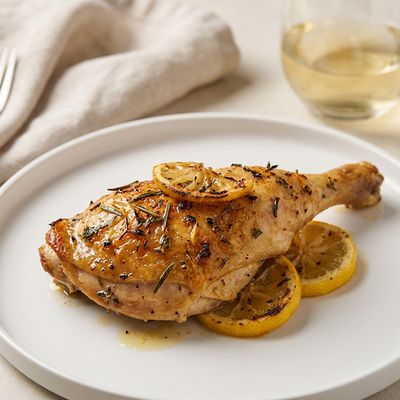
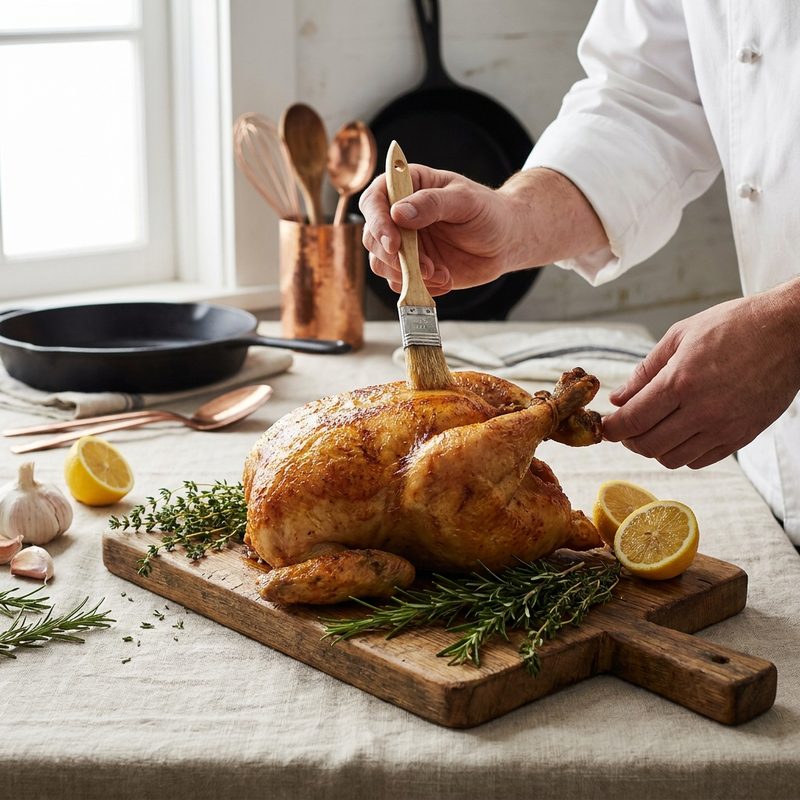
Generously season the cavity of the chicken with salt and pepper. Stuff it with aromatics like half a lemon, a head of garlic cut in half, and fresh herbs such as thyme or rosemary. Rub the exterior of the bird with softened butter or oil, then season the skin aggressively with kosher salt, which helps draw out remaining moisture and creates a crunch.
3. Trussing and Positioning
While not strictly necessary, trussing (tying the legs together with kitchen twine) helps the chicken cook more evenly by keeping the breast protected and the shape compact. Place the chicken breast-side up on a rack set inside a roasting pan. This allows hot air to circulate around the entire bird, preventing a soggy bottom.
4. The Roasting Process
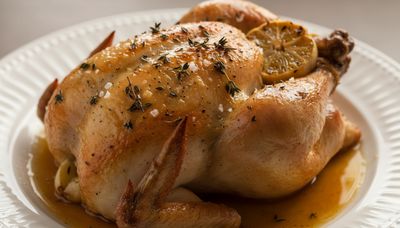
Preheat your oven to 425°F (218°C). High heat is essential for rendering the fat and crisping the skin. Roast the chicken until a meat thermometer inserted into the thickest part of the thigh (without hitting bone) registers 165°F (74°C). For a standard 4-pound chicken, this usually takes between 50 to 70 minutes.
5. The Importance of Resting
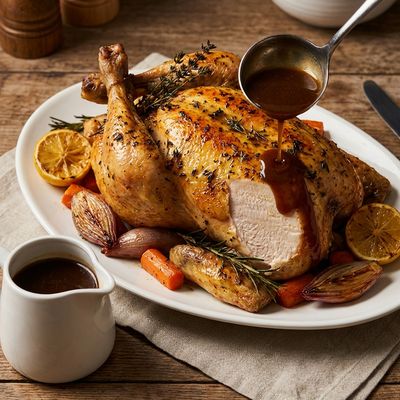
Do not cut into the chicken immediately. Transfer it to a cutting board and let it rest for at least 15 to 20 minutes. This allows the muscle fibers to relax and reabsorb the juices; if you carve too early, all the moisture will run out onto the board, leaving you with dry meat.
Key Takeaways
- ✓ <html><ul><li>Always let the chicken sit at room temperature for about 30 minutes before roasting to ensure even cooking.</li><li>Use a heavy-duty roasting pan or a cast-iron skillet for the best heat retention.</li><li>Save the carcass and any leftover bones to make a rich, homemade chicken stock.</li><li>If the skin is browning too quickly, loosely tent the bird with aluminum foil.</li></ul></html>