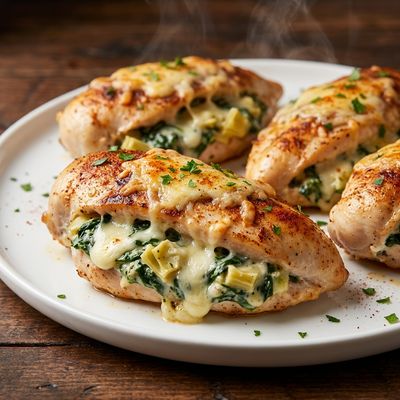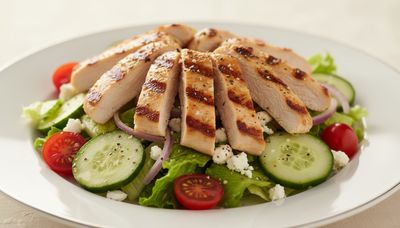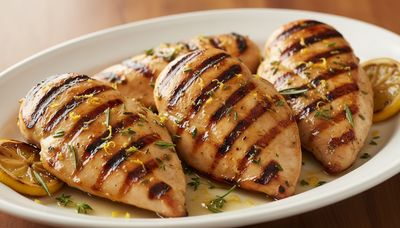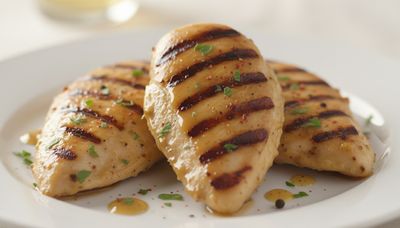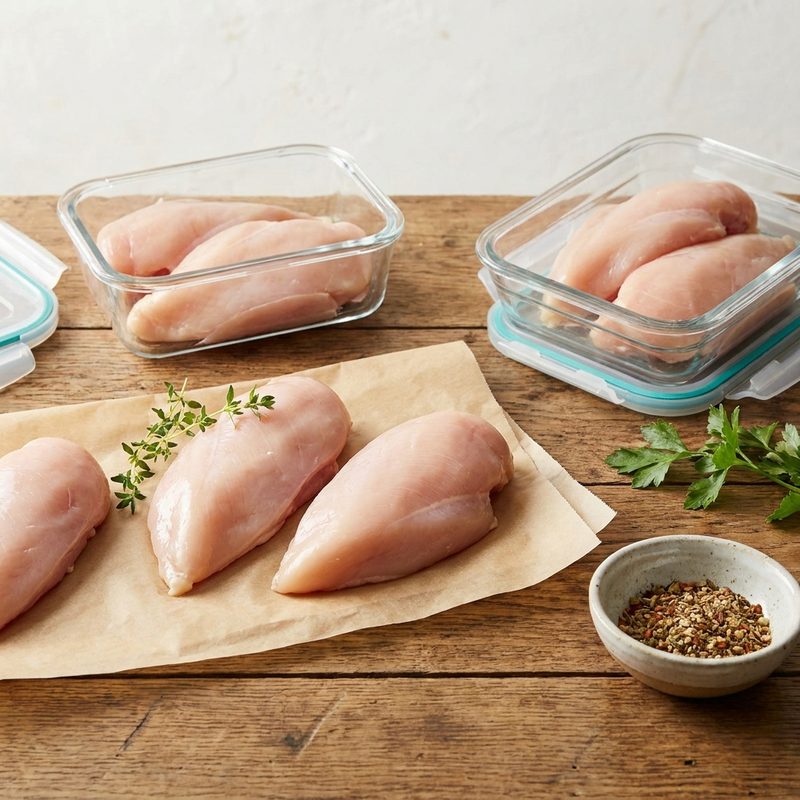
What Chicken Breasts Is
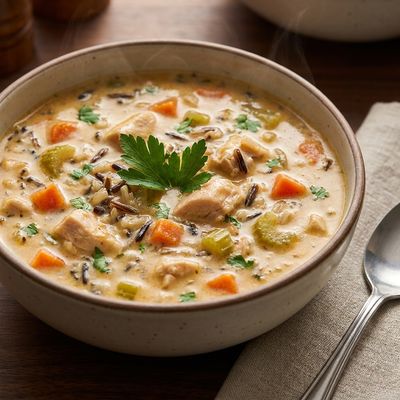
Chicken breasts are the boneless, skinless fillets taken from the front chest area of the chicken. This cut is prized for its mild flavor, low fat content (roughly 3 grams of fat per 100 grams), and high protein (about 31 grams per 100 grams). It is one of the most commonly used cuts in Western cooking, suitable for grilling, baking, sautéing, and poaching. The lean nature means it can dry out quickly if not handled properly, but with the right techniques, it remains tender and juicy. For example, a 6-ounce (170g) breast contains approximately 250 calories, making it a staple in high-protein, low-fat diets. The lack of skin and bone reduces cooking time but also removes the insulating fat, so careful temperature control is essential. When raw, the flesh should be translucent and slightly moist, not sticky or slimy. The muscle fibers are fine and uniform, which is why pounding to an even thickness is so effective—it breaks down some fibers and ensures consistent doneness.
How to Choose Chicken Breasts
When buying chicken breasts, look for pieces that are plump, firm, and uniform in thickness. They should be pinkish-white in color with no off-odors. Avoid any packages with excess liquid or discoloration. For best results, choose breasts that are similar in size so they cook evenly. If buying pre-packaged, check the sell-by date and aim to cook or freeze within 1–2 days of purchase. For enhanced tenderness, consider air-chilled or organic options, which retain less water and sear better. Air-chilled breasts have a moisture loss of about 2–3% compared to water-chilled ones, which can absorb up to 8% extra water, leading to steaming instead of browning. Look for breasts labeled “no antibiotics” or “free-range” if flavor is a priority, as these birds often have more developed muscle structure. Avoid any packages where the meat feels slippery or has a sour smell—that indicates spoilage. If buying from a butcher, ask for breasts from the same bird to ensure consistent size and thickness. For frozen options, check for ice crystals or freezer burn, which indicate temperature fluctuations. Thawed breasts should be used immediately and never refrozen raw.
How to Use Chicken Breasts in Cooking
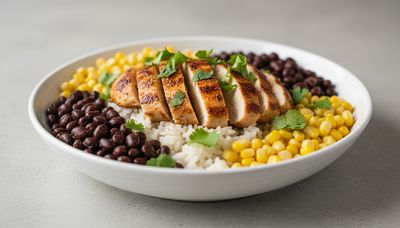
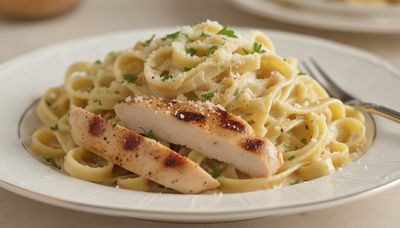
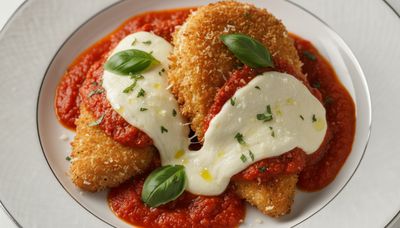
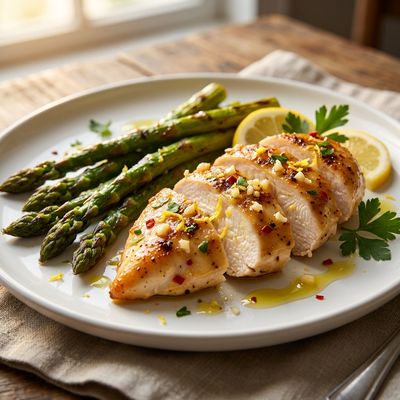
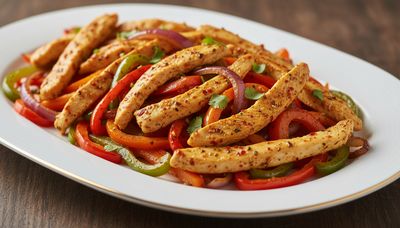
Chicken breasts are incredibly versatile. For pan-searing, heat 1 tablespoon of oil (avocado or canola, with smoke points above 400°F) in a skillet over medium-high heat. Cook a 6-ounce breast for 5–6 minutes per side, until the internal temperature reaches 165°F (74°C). Let rest 5 minutes before slicing. For baking, preheat oven to 400°F (200°C). Brush breasts with oil and season; bake 20–25 minutes. For poaching, simmer them gently in broth or water at 175–185°F (80–85°C) for 15–20 minutes. Pound thicker breasts to an even 1/2-inch (1.25 cm) thickness for faster, more even cooking. Use a meat thermometer to avoid overcooking. For grilling, preheat to medium-high (about 450°F/232°C) and cook 4–5 minutes per side, flipping once. For stir-frying, slice against the grain into 1/4-inch strips and cook over high heat for 2–3 minutes total. A common failure mode is cooking at too low a temperature, which causes the meat to steam and become tough. Another is not resting: slicing immediately releases juices, leaving the meat dry. For breaded cutlets, pound to 1/4-inch thickness, dredge in flour, egg, and breadcrumbs, then pan-fry in 1/4-inch oil at 350°F for 2–3 minutes per side. For sous vide, cook at 145°F (63°C) for 1–2 hours for exceptionally tender results, then sear briefly.
Substitutes for Chicken Breasts
1. **Boneless, skinless chicken thighs**: Use in a 1:1 ratio by weight. Thighs are darker, juicier, and slightly higher in fat (about 9g fat per 100g), so they tolerate longer cooking without drying out. They require about 2–3 extra minutes per side when pan-searing. 2. **Turkey breast cutlets**: Use in a 1:1 ratio by weight. Turkey is leaner than chicken (about 2g fat per 100g) and cooks in roughly the same time; adjust seasoning as it can be a bit milder. Turkey cutlets are often thinner, so reduce cooking time by 1–2 minutes per side. 3. **Firm tofu**: Use block tofu pressed and sliced into cutlets, substituting 6 oz (170g) tofu for 6 oz chicken. Tofu is much higher in moisture and lower in protein (about 8g per 100g), so expect a softer texture and need less cooking time (about 3–4 minutes per side). Press tofu for 30 minutes under a weight to remove excess water before cooking. 4. **Seitan**: Use in a 1:1 ratio by weight. Seitan has a chewy texture similar to chicken and about 25g protein per 100g. Cook for the same time as chicken but watch for sticking—it can be sticky. 5. **Pork tenderloin**: Slice into medallions and pound to 1/2-inch thickness. Use in a 1:1 ratio by weight. Pork is slightly fattier (about 4g fat per 100g) and cooks to 145°F (63°C) for medium, so adjust target temperature.
How to Store Chicken Breasts
Raw chicken breasts should be stored in the coldest part of the fridge at 40°F (4°C) or below. Use within 1–2 days of purchase, or freeze immediately. For freezing: wrap individual breasts tightly in plastic wrap, then place in a freezer bag, removing as much air as possible. Frozen chicken breasts keep best for up to 4–6 months. Thaw in the refrigerator overnight (not on the counter). Cooked chicken breasts can be refrigerated in an airtight container for 3–4 days. For longer storage, freeze cooked pieces for up to 3 months. To avoid freezer burn, double-wrap or use a vacuum sealer. If thawing quickly, submerge the sealed bag in cold water, changing water every 30 minutes; a 6-ounce breast thaws in about 1 hour. Never thaw at room temperature, as bacteria multiply rapidly between 40°F and 140°F. For meal prep, cook breasts and slice them before storing—they reheat faster and more evenly. Reheat cooked chicken to an internal temperature of 165°F to ensure safety, using a microwave (covered, 1–2 minutes on high) or oven (350°F for 10 minutes).
Common Mistakes
1. **Overcooking**: The #1 error. Cooking past 165°F makes chicken dry and tough. Use a digital thermometer and pull it at 160–163°F, letting carryover cooking bring it to 165°F. Carryover can add 3–5°F during resting. 2. **Uneven thickness**: Thick parts cook slower than thin parts. Pound the thickest end to 1/2-inch thickness so the whole breast cooks evenly. Use a meat mallet or rolling pin between two sheets of plastic wrap. 3. **Skipping salt brine**: Brining in saltwater (1 tablespoon salt per 4 cups water) for 30 minutes before cooking boosts moisture and flavor. Without it, breasts tend to dry out. For a dry brine, sprinkle 1/2 teaspoon salt per breast and rest 30 minutes. 4. **Not patting dry**: Moisture on the surface prevents browning and causes steaming. Pat breasts dry with paper towels before seasoning. 5. **Crowding the pan**: Overcrowding drops the pan temperature, leading to steaming. Leave at least 1/2 inch between pieces. Cook in batches if needed. 6. **Slicing too soon**: Resting for 5 minutes allows juices to redistribute. Slicing immediately releases them, leaving dry meat. 7. **Using low heat for searing**: Medium-high to high heat (375–450°F) is needed for a golden crust. Low heat produces a gray, tough exterior. 8. **Not adjusting for thickness**: A 1-inch thick breast needs about 8–10 minutes per side, while a 1/2-inch breast needs 4–5 minutes. Always check thickness and adjust time.
Key Takeaways
- ✓ <ul><li>Always rest cooked chicken for 5 minutes before cutting to keep juices inside.</li><li>Multiply any recipe seasoning by 1.2 to compensate for large breasts.</li><li>If using frozen breasts, thaw in a bowl of cold water (change every 30 minutes) for faster, safer defrosting.</li><li>Sear then finish in the oven for the most consistent results.</li></ul>