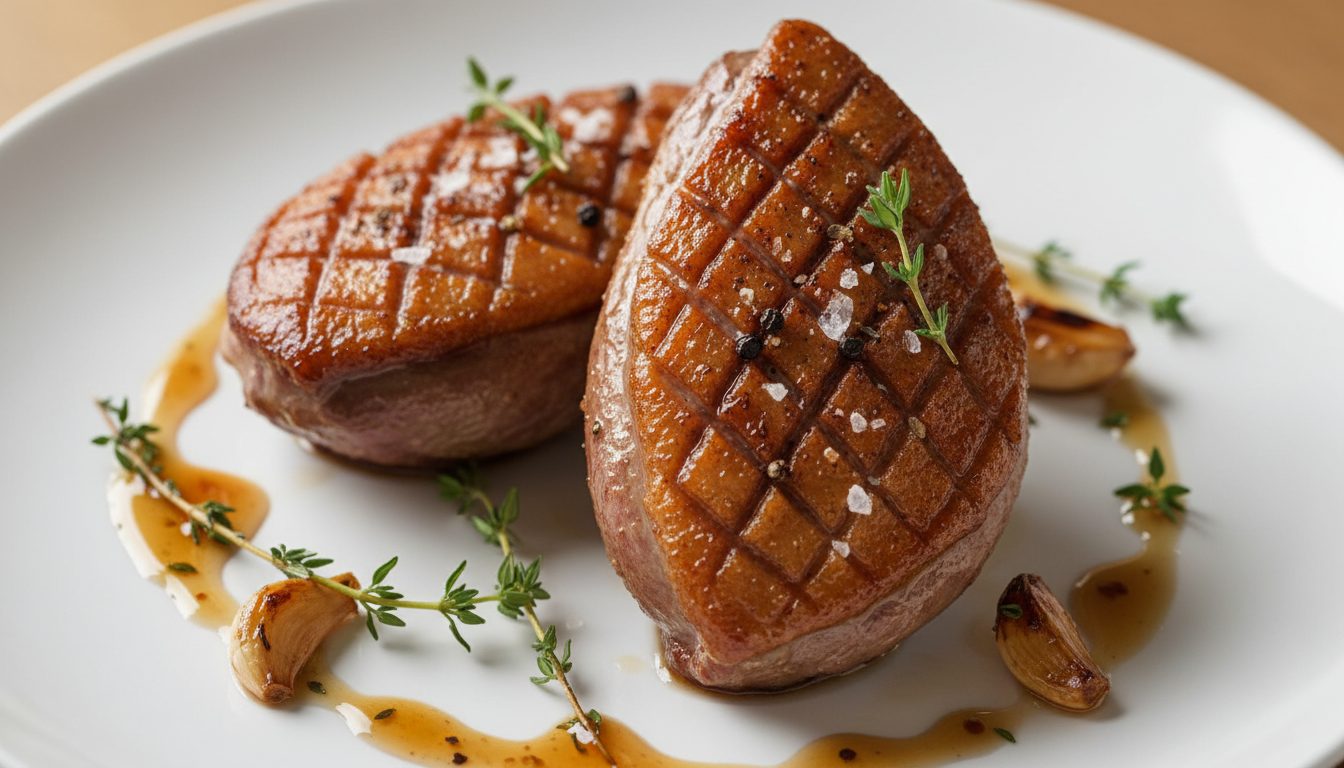
Recipe Details
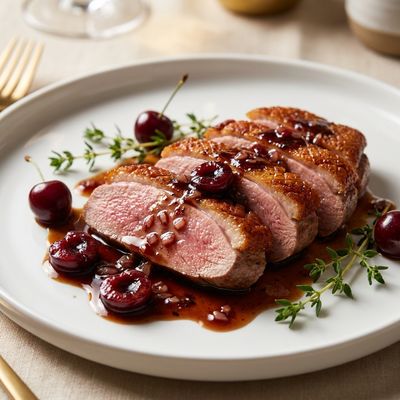
"Experience the ultimate luxury of perfectly rendered, crispy-skinned duck breast paired with a luscious balsamic cherry reduction. This dish balances the rich, savory notes of the poultry with a bright, fruity acidity for a truly gourmet dining experience at home."
Ingredients
| Qty | Item |
|---|---|
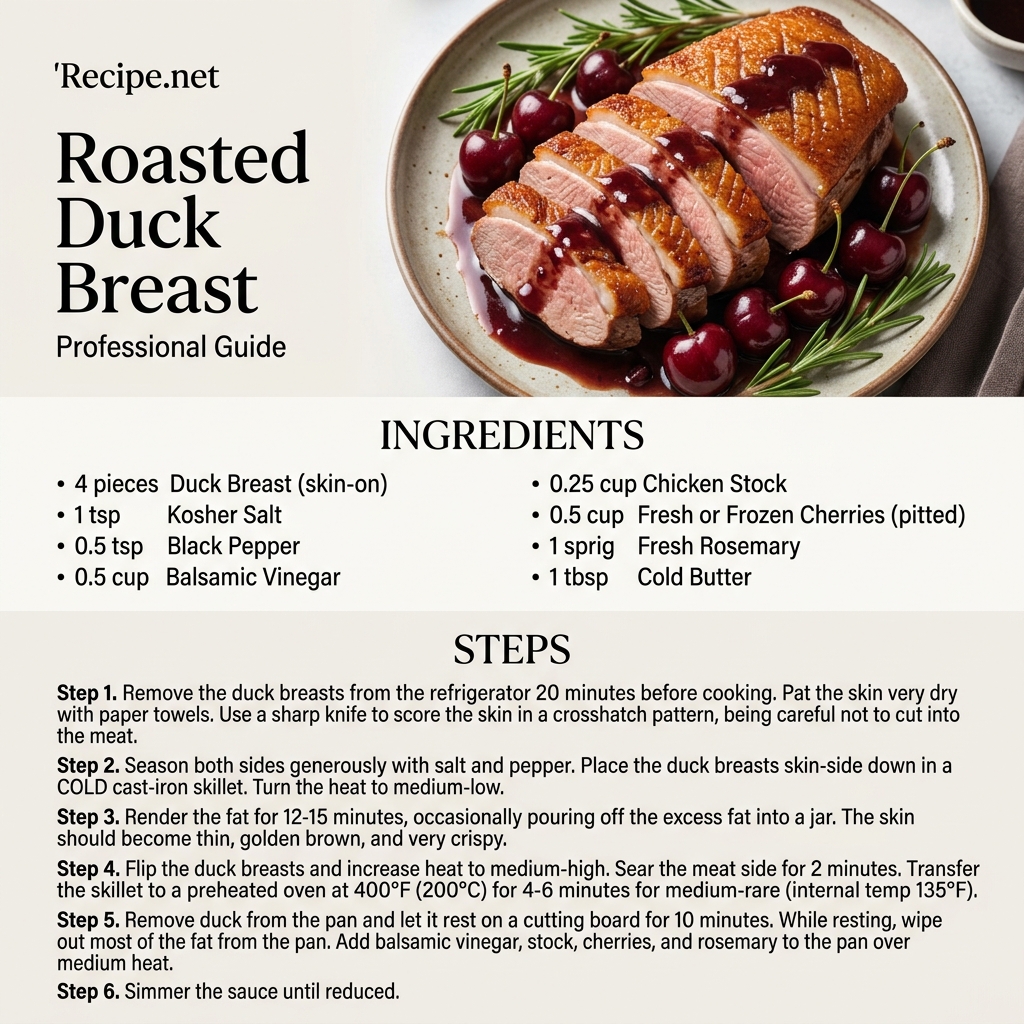
| 4 pieces | Duck Breast (skin-on) |
| 1 tsp | Kosher Salt |
| 0.5 tsp | Black Pepper |
| 0.5 cup | Balsamic Vinegar |
| 0.25 cup | Chicken Stock |
| 0.5 cup | Fresh or Frozen Cherries (pitted) |
| 1 sprig | Fresh Rosemary |
| 1 tbsp | Cold Butter |
How to Make Roasted Duck Breast
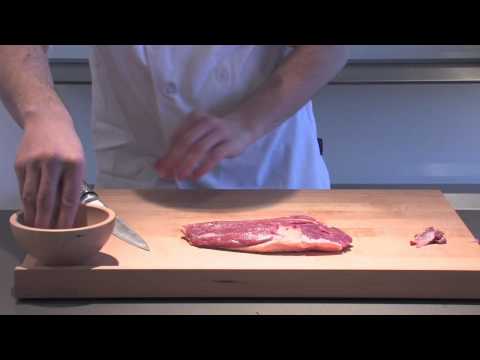
Remove the duck breasts from the refrigerator 20 minutes before cooking. Pat the skin very dry with paper towels. Use a sharp knife to score the skin in a crosshatch pattern, being careful not to cut into the meat.
Season both sides generously with salt and pepper. Place the duck breasts skin-side down in a COLD cast-iron skillet. Turn the heat to medium-low.
Render the fat for 12-15 minutes, occasionally pouring off the excess fat into a jar. The skin should become thin, golden brown, and very crispy.
Flip the duck breasts and increase heat to medium-high. Sear the meat side for 2 minutes. Transfer the skillet to a preheated oven at 400°F (200°C) for 4-6 minutes for medium-rare (internal temp 135°F).
Remove duck from the pan and let it rest on a cutting board for 10 minutes. While resting, wipe out most of the fat from the pan. Add balsamic vinegar, stock, cherries, and rosemary to the pan over medium heat.
Simmer the sauce until reduced by half and syrupy. Remove the rosemary, whisk in the cold butter, and season to taste.
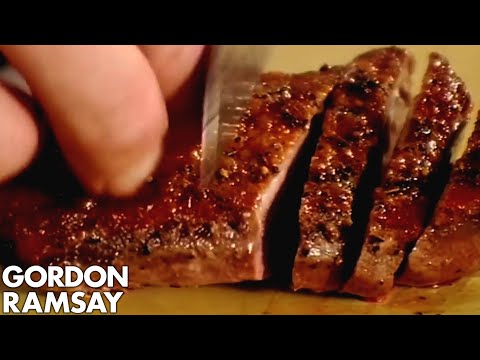
Slice the duck on a bias and drizzle with the cherry reduction before serving.
Tips for Best Results
-
·
Always start the duck in a cold pan; this allows the fat to render out slowly without burning the skin.
-
·
Save the rendered duck fat! It is 'liquid gold' and perfect for roasting potatoes later.
-
·
Ensure you do not cut into the flesh when scoring the skin, as this will cause the juices to escape and dry out the meat.
-
·
Let the meat rest for at least 10 minutes to ensure the juices redistribute for a tender result.
Frequently Asked Questions
What is the ideal internal temperature for duck breast?
Can I use the rendered fat for other recipes?
Why is my duck skin rubbery?
Do I need to add oil to the pan?
Video Tutorials


What to Cook Next
Next Recipe
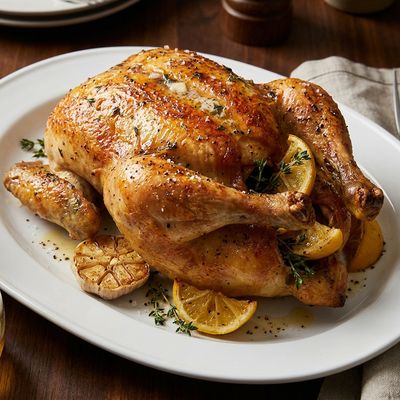
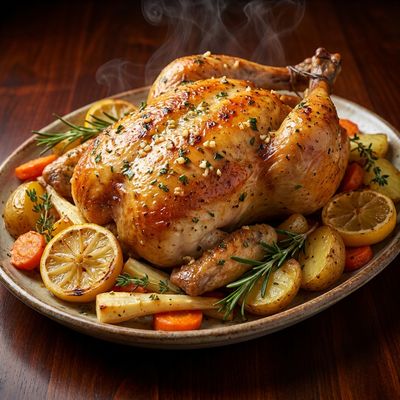
Crispy Skin Roast Chicken with Lemon and Thyme
Experience the ultimate comfort food with this golden-brown roast chicken featuring crackling-crisp skin and succulent meat. The bright citrus notes of lemon paired with earthy fresh thyme create a sophisticated flavor profile that's perfect for a classic Sunday dinner.
Similar Recipes to Try
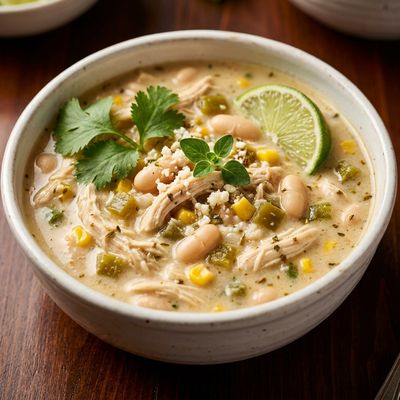
Creamy White Chicken Chili
45 min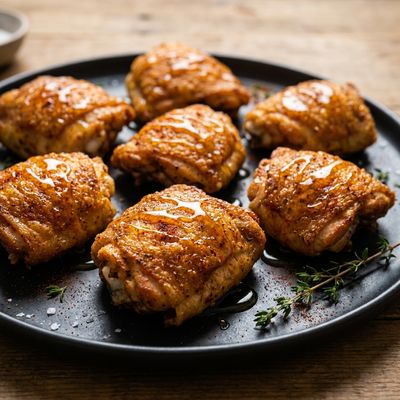
Buttermilk Fried Chicken with Honey Drizzle
45 min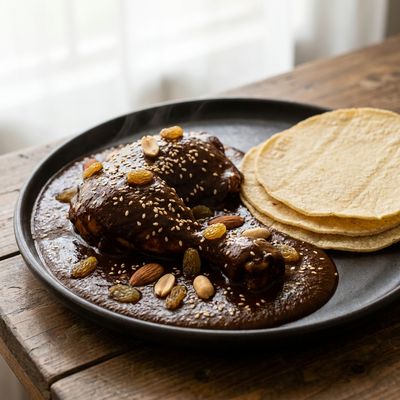
Mole Poblano con Pollo
135 min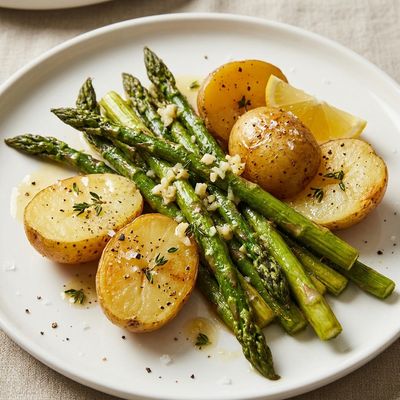
Garlic Butter Roasted Asparagus and New Potatoes
45 min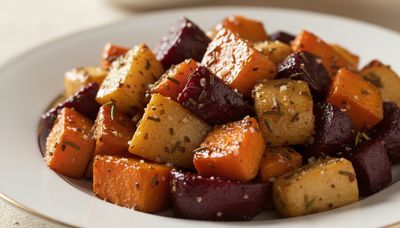
Roasted Root Vegetables
55 min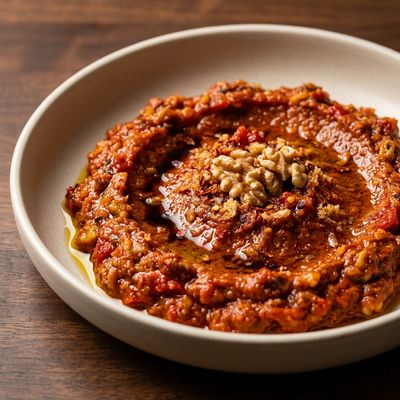
Roasted Red Pepper and Walnut Dip
45 min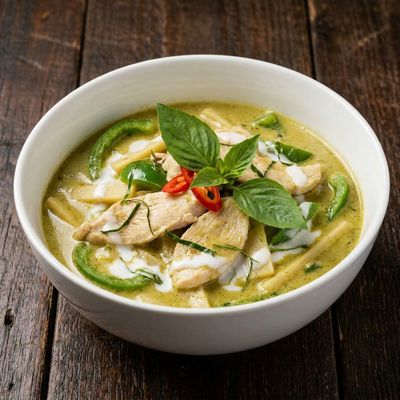
Creamy Coconut Thai Green Curry with Chicken
40 min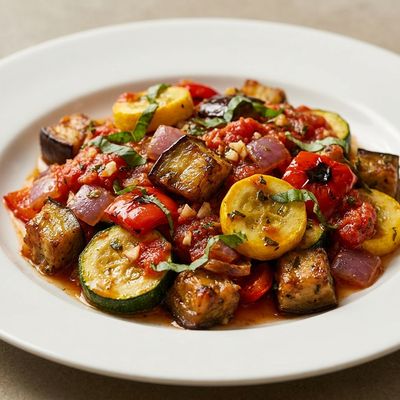
Roasted Vegetable Ratatouille
65 min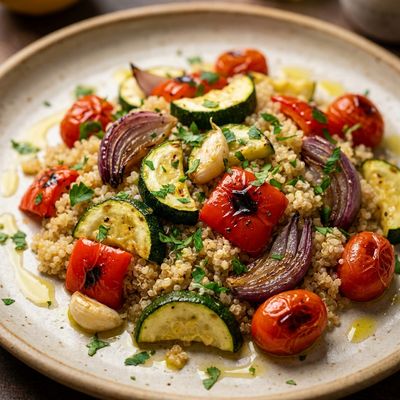
Lemon Herb Roasted Vegetable Quinoa Bowl
45 min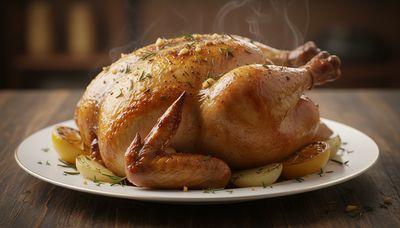
Herb Roasted Chicken
100 minComments
(0)Sign in to leave a comment.
You Might Like
Ad Space Available
Be the first to leave a comment.