Section 1: The Magic of Braising
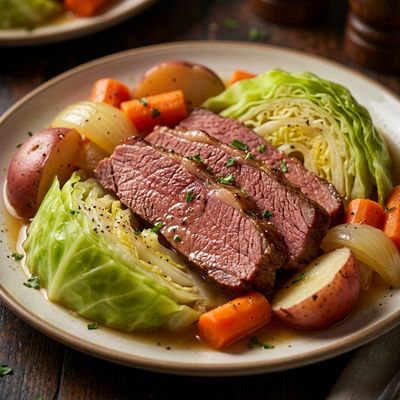
Braising is a "low and slow" cooking method that uses both dry and moist heat. It is specifically designed to transform tough, collagen-rich cuts of meat into succulent, fork-tender bites. By cooking meat at a low temperature submerged in a small amount of liquid, the tough connective tissues slowly dissolve into gelatin, creating a rich sauce and incredibly moist meat.
Section 2: Selecting Your Meat
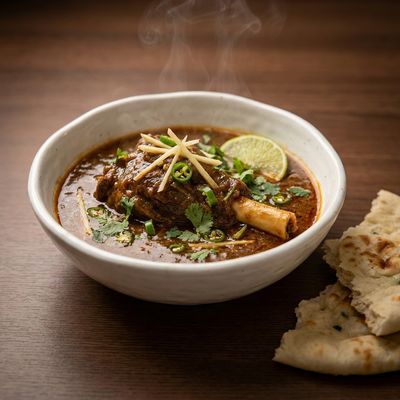
Success starts at the butcher counter. Look for "tough" cuts like beef chuck roast, short ribs, lamb shanks, or pork shoulder. These cuts are often cheaper but contain the fat and connective tissue necessary to prevent the meat from drying out during the long cooking process. Avoid lean cuts like chicken breast or pork loin, which will become stringy and dry if cooked this way.
Section 3: Searing for Flavor
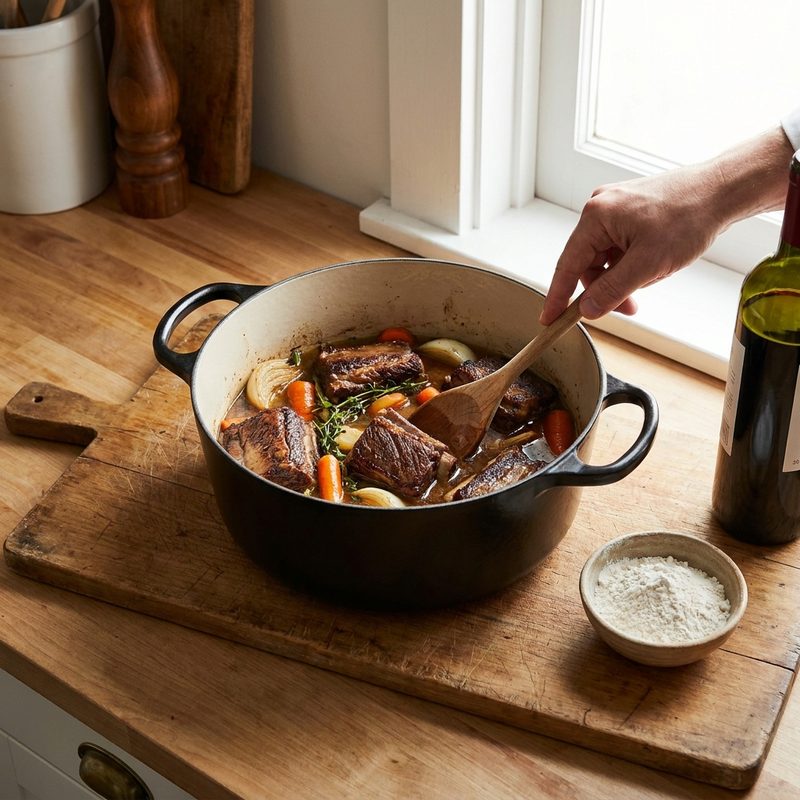
The first active step is searing. Pat the meat dry with paper towels and season generously with salt and pepper. Heat a small amount of oil in a heavy-bottomed pot—ideally a Dutch oven—over medium-high heat. Brown the meat on all sides until a deep, dark crust forms. This is the Maillard reaction, and it is essential for building the deep savory base for your sauce.
Section 4: Aromatics and Deglazing
Remove the meat and set it aside. In the same pot, sauté aromatics like onions, carrots, and celery. Once softened, add "deglazing" liquid like wine, broth, or a splash of vinegar. Use a wooden spoon to scrape up the "fond"—those browned bits stuck to the bottom of the pan—as they contain concentrated flavor. Return the meat to the pot once the liquid is bubbling.
Section 5: The Low and Slow Simmer
Add enough liquid (stock, water, or crushed tomatoes) so that the meat is about halfway to two-thirds submerged. Bring the liquid to a gentle simmer, then cover the pot with a tight-fitting lid. You can continue the cook on the stovetop over very low heat or in a 300°F (150°C) oven. Cook until the meat is "fork-tender," meaning it pulls apart with almost no resistance, which usually takes 2 to 4 hours depending on the cut.
Key Takeaways
- ✓ <html><ul><li>Always pat your meat dry before searing; moisture creates steam and prevents proper browning.</li><li>Invest in a heavy cast-iron Dutch oven for even heat distribution and a tight seal that prevents liquid evaporation.</li><li>Don't rush the process; if the meat is still tough, it likely just needs more time for the collagen to break down.</li><li>Braising is often better the next day, as the flavors have more time to meld and develop in the refrigerator.</li></ul></html>