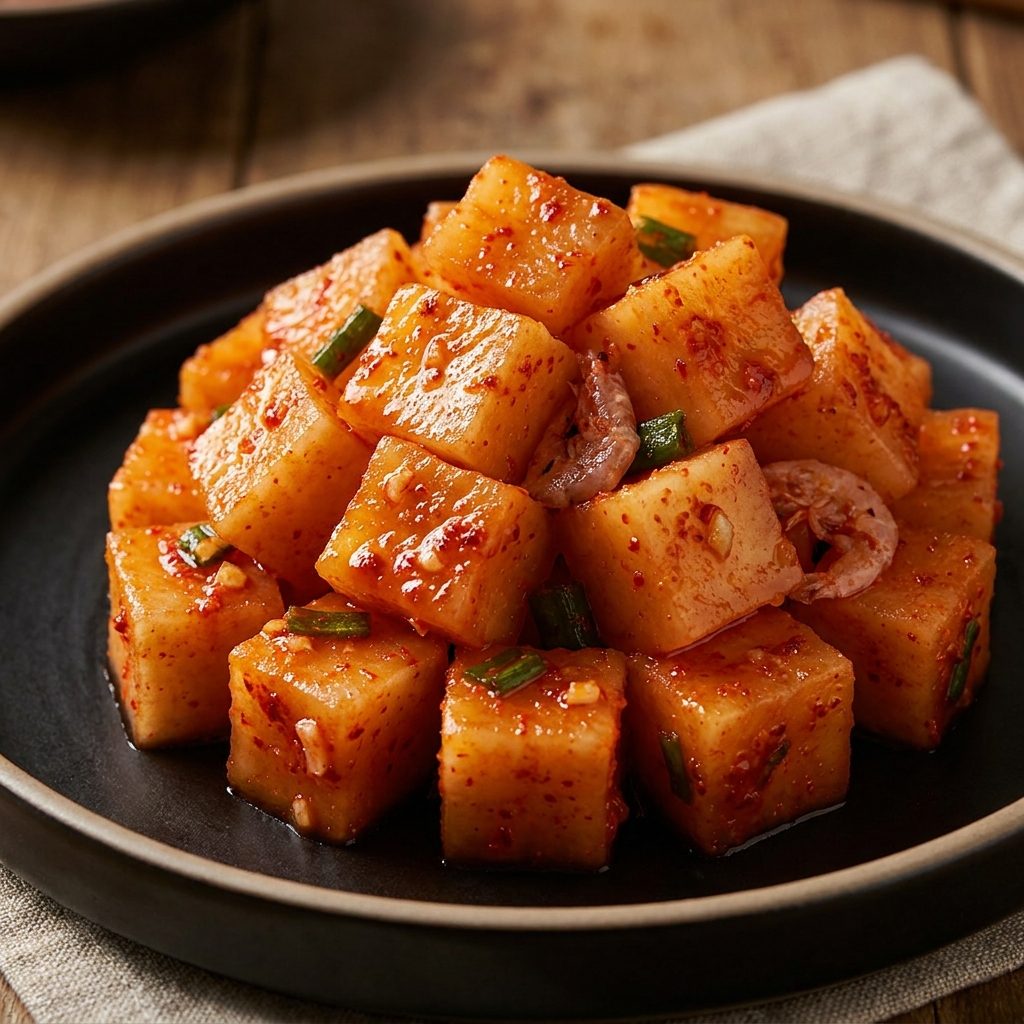
Recipe Details
"Experience the addictive crunch and bold, spicy flavors of authentic Kkakdugi, the beloved Korean cubed radish kimchi. This traditional recipe balances heat, umami, and a hint of sweetness to create a refreshing fermented side dish that elevates any meal."
Ingredients
| Qty | Item |
|---|---|
| 4 lbs | Korean Radish (Mu) |
| 3 tbsp | Coarse Sea Salt |
| 2 tbsp | Granulated Sugar |
| 0.66 cup | Gochugaru (Korean Red Chili Flakes) |
| 0.25 cup | Fish Sauce |
| 3 tbsp | Minced Garlic |
| 1 tsp | Minced Ginger |
| 2 tbsp | Salted Shrimp (Saewoo-jeot), chopped |
| 5 stalks | Green Onions, chopped |
How to Make Kkakdugi Radish Kimchi
Peel the Korean radish and rinse it under cold water. Cut the radish into 1-inch cubes.
In a large bowl, toss the radish cubes with sea salt and sugar. Let them sit at room temperature for 45-60 minutes to draw out moisture.
Drain the liquid from the radish into a separate small bowl. Do not rinse the radish cubes; the residual salt and sugar are necessary for flavor.
In a medium mixing bowl, combine the Gochugaru with 1/4 cup of the reserved radish liquid to create a thick red paste.
Add the fish sauce, minced garlic, ginger, and chopped salted shrimp to the chili paste. Stir until well combined.
Pour the seasoning paste over the radish cubes. Using food prep gloves, toss the radish by hand until every cube is thoroughly and evenly coated.
Add the chopped green onions and toss one final time.
Pack the Kkakdugi into clean glass jars, pressing down firmly to remove air pockets. Leave at least an inch of headspace at the top.
Let the jars sit at room temperature for 1-2 days (depending on the warmth of your kitchen) until you see small bubbles and it smells slightly sour. Move to the refrigerator to finish the fermentation process.
Tips for Best Results
-
·
Use Mu (Korean radish) if possible; it is denser and sweeter than Daikon.
-
·
The salted shrimp (saewoo-jeot) provides the signature depth of flavor, so don't skip it unless making a vegan version.
-
·
Do not rinse the radish after salting. The liquid produced during the salting phase is packed with flavor and helps start the fermentation.
-
·
Press the radish down daily during room-temp fermentation to ensure the cubes stay submerged in their own juices.
Frequently Asked Questions
How long does Kkakdugi last?
Can I make this recipe vegan?
Why is my Kkakdugi bitter?
When is it ready to eat?
What to Cook Next
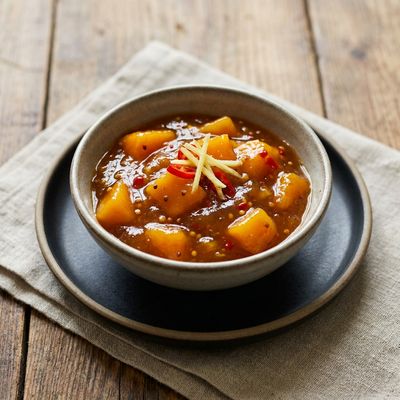

Next Recipe
Kimchijeon Kimchi Pancake
These savory pancakes are the perfect blend of spicy, tangy, and crunchy, featuring well-fermented kimchi and a crisp, golden-brown exterior. They are a beloved Korean comfort food, often enjoyed as a snack, side dish, or a rainy-day treat.
Similar Recipes to Try
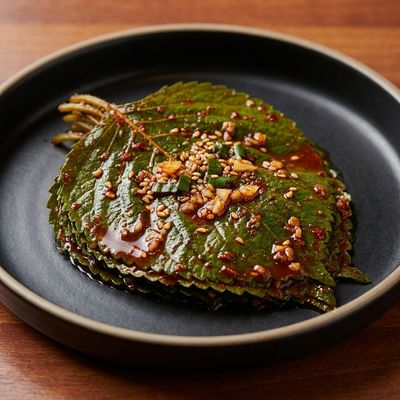
Korean Seasoned Perilla Leaves
20 min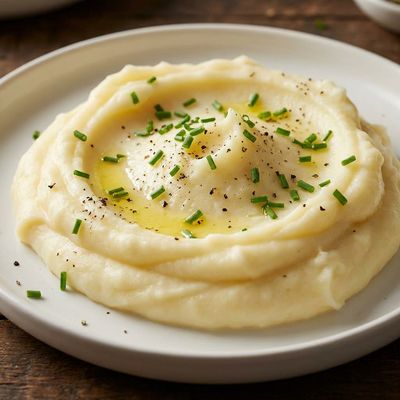
Garlic Mashed Potatoes with Chives
40 min
Honey Roasted Brussels Sprouts
35 min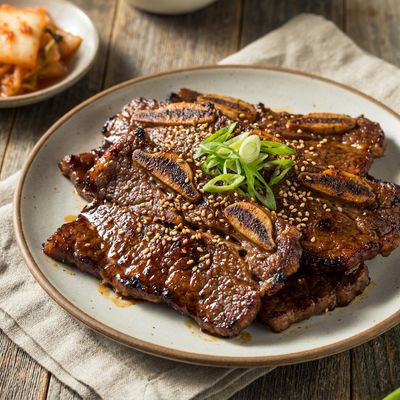
LA Galbi Korean Short Ribs
35 min
Grilled Corn On The Cob
35 min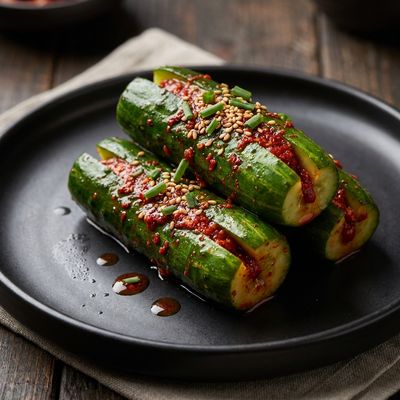
Quick Cucumber Kimchi Oi Sobagi
30 min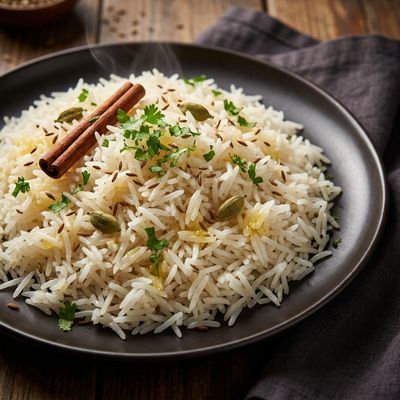
Jeera Rice with Cumin and Ghee
35 min
Stoemp Belgian Mashed Potatoes with Vegetables
40 min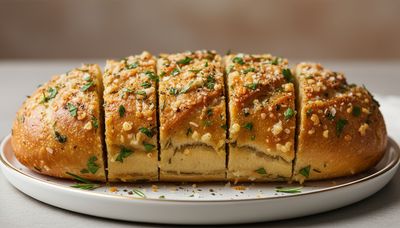
Garlic Herb Bread
30 min
Mexican Street Corn Elote with Cotija Cheese
25 minComments
(0)Sign in to leave a comment.
You Might Like
Ad Space Available
Be the first to leave a comment.