What Lettuce Is
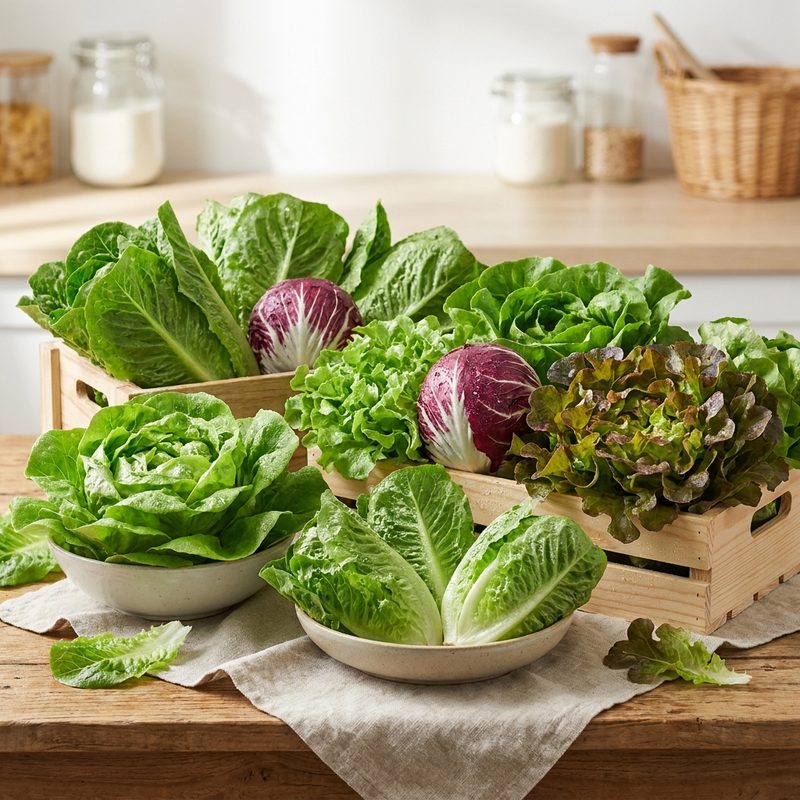
Lettuce (Lactuca sativa) is an annual plant of the daisy family, Asteraceae, grown for its crisp, edible leaves. It originated in the Mediterranean region and has been cultivated for thousands of years, with ancient Egyptians, Greeks, and Romans all growing it. Today, the main types include iceberg (crisphead), romaine (cos), butterhead (Bibb or Boston), loose-leaf (green and red leaf), and summer crisp (Batavian). Each type has a distinct texture, flavour, and water content — iceberg is the crunchiest and most watery, while romaine offers a sturdy rib and slightly bitter edge.
How to Choose Lettuce
When buying lettuce, look for heads that feel heavy for their size, with firm, tightly packed leaves. Avoid any with wilted, slimy, or discoloured outer leaves, brown edges, or a yellowing core. The stem end should be clean and not cracked. For loose-leaf varieties, the leaves should be perky, not drooping. If buying pre-bagged lettuce, check the sell-by date and ensure the bag is not puffy (a sign of gas buildup from spoilage). For romaine, the ribs should be pale green and crisp, not rubbery.
How to Use Lettuce in Cooking
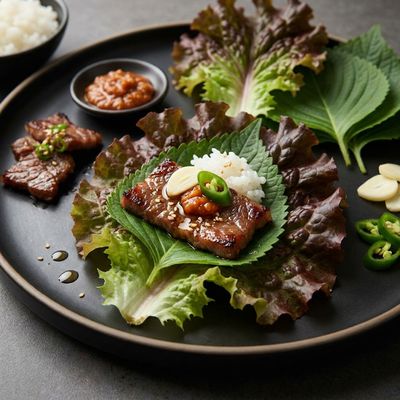
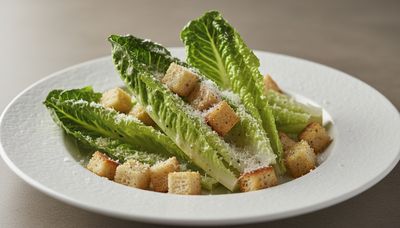
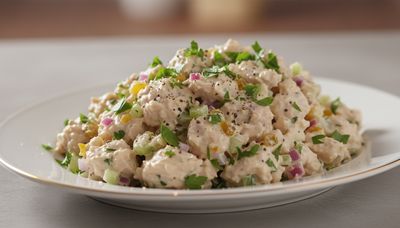
Lettuce is most often eaten raw, but it can also be lightly cooked. For salads, tear or chop leaves just before serving to prevent browning. Iceberg wedges are classic with blue cheese dressing. Romaine works well in Caesar salads and is sturdy enough for grilling: cut a head in half lengthwise, brush cut sides with oil, and grill over medium-high heat for 2–3 minutes per side until lightly charred. Butterhead leaves make soft wraps for fillings like chicken salad or stir-fried vegetables. For wilted lettuce salads (e.g., warm bacon dressing), use tender leaf lettuce and toss with hot dressing just until slightly softened, about 30 seconds. Avoid overcooking, as lettuce becomes slimy and releases excess water.
Substitutes for Lettuce
If you don't have lettuce, these swaps work well in most recipes:
- Baby spinach: Use a 1:1 ratio by volume. Spinach has a milder, slightly earthy flavour and is more tender. It works in salads and sandwiches but wilts faster when heated.
- Mixed greens (mesclun): Use a 1:1 ratio. These blends include arugula, mizuna, and other greens, adding peppery notes and varied textures. Best for salads, not for wraps or grilling.
- Cabbage (green or napa): Use a 1:1 ratio by weight. Shredded cabbage is crunchier and more robust than lettuce. It works in coleslaw, tacos, and sandwiches, but has a stronger flavour and requires longer to wilt if cooked.
How to Store Lettuce
For whole heads, remove any rubber bands or twist ties, wrap the head loosely in a damp paper towel, and place in a perforated plastic bag in the refrigerator crisper drawer. It will keep 5–7 days for iceberg and romaine, 3–5 days for butterhead and loose-leaf. For cut or torn leaves, dry them thoroughly in a salad spinner, then store in a container lined with paper towels, lid slightly ajar; they last 2–3 days. Do not wash lettuce until you are ready to use it — moisture accelerates spoilage. Lettuce does not freeze well; freezing destroys its cell structure, leaving it limp and watery upon thawing. Avoid storing lettuce near ethylene-producing fruits like apples, bananas, or tomatoes, as ethylene speeds up wilting and browning.
Common Mistakes
Mistake 1: Washing lettuce too early. Washing before storage introduces moisture that promotes rot. Fix: Wash only the amount you plan to use immediately. For whole heads, rinse just before serving.
Mistake 2: Storing lettuce in a sealed bag without airflow. Ethylene gas builds up, causing premature wilting. Fix: Use a perforated bag or leave the bag slightly open to allow gas exchange.
Mistake 3: Using a dull knife to cut lettuce. Dull blades crush the leaves, leading to bruising and browning. Fix: Use a sharp chef's knife or tear leaves by hand for the cleanest edges.
Key Takeaways
- ✓ <ul><li>To revive wilted lettuce, soak leaves in ice water for 15–20 minutes, then spin dry — they will crisp up noticeably.</li><li>Always dry lettuce thoroughly after washing; excess water dilutes dressing and makes salads soggy.</li><li>For best texture in salads, tear lettuce into bite-sized pieces rather than cutting with a knife.</li><li>Store lettuce away from ethylene-producing fruits like apples, bananas, and tomatoes to slow wilting.</li></ul>