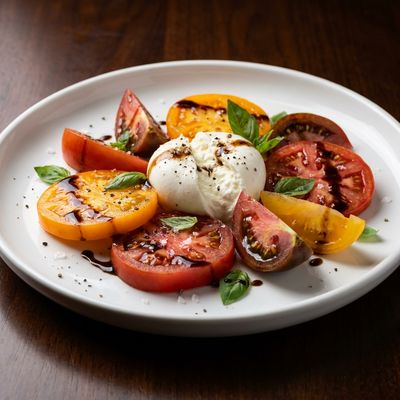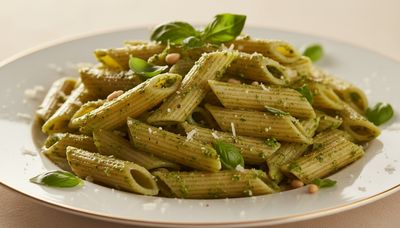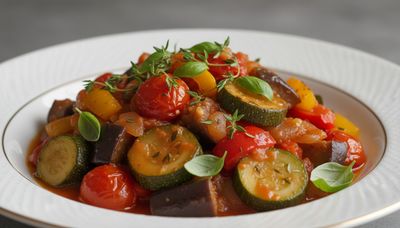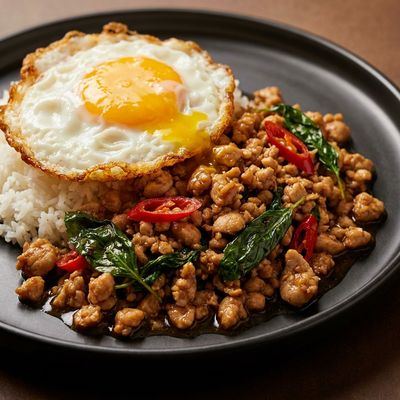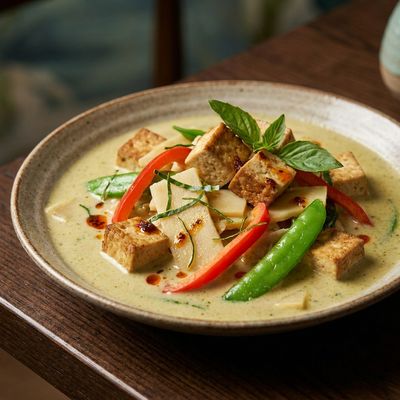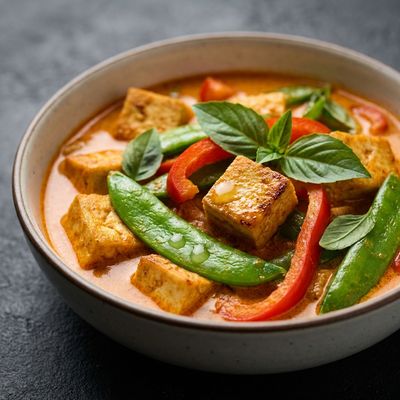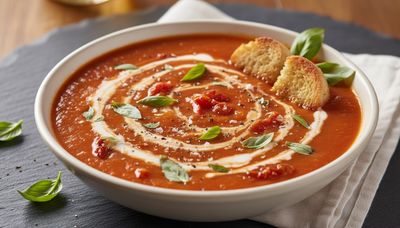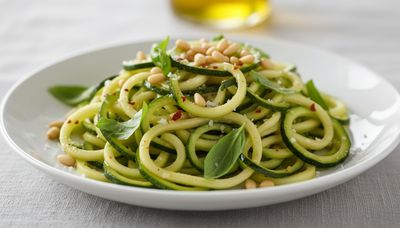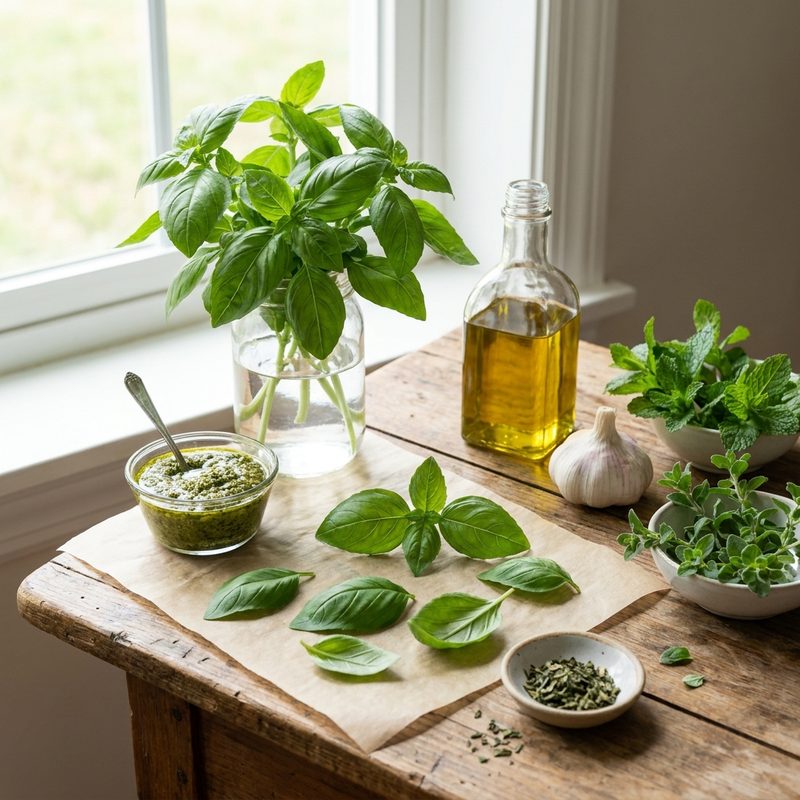
Basil leaves are the aromatic, bright green leaves of the basil plant (Ocimum basilicum), native to tropical regions of Asia and Africa but now grown worldwide. There are many varieties—sweet basil, Genovese basil, Thai basil, and lemon basil—each with subtle flavour differences. Sweet basil is the most common in Western cooking, prized for its peppery, slightly sweet, anise-like taste.
What Basil Leaves Is
Basil is a tender annual herb from the mint family (Lamiaceae). The leaves are soft and delicate, with a strong, distinctive aroma. Fresh basil is typically harvested before the plant flowers for the best flavour. Dried basil is also available, but its taste is much less vibrant.
How to Choose Basil Leaves
When buying fresh basil, look for bright green, unblemished leaves with no yellowing or dark spots. The leaves should feel firm, not limp or wilted. Avoid bunches with flowers or buds, as those signal older, woodier, less flavourful leaves. The stems should be crisp, not slimy. For the best flavour, buy basil the day you plan to use it.
How to Use Basil Leaves in Cooking
Basil is best used raw or added at the very end of cooking to preserve its delicate flavour. Add torn or chiffonaded leaves to pasta, salads, pizzas, or fresh tomato sauces just before serving. For a classic pesto, blend 2 cups (packed) fresh basil leaves with 1/3 cup pine nuts, 2 cloves garlic, 1/2 cup grated Parmesan, and about 1/2 cup olive oil. Basil also pairs beautifully with strawberries, lemon, and mozzarella. Avoid long simmering—heat quickly destroys its volatile oils. If using in cooked dishes, add it in the last minute of cooking.
Substitutes for Basil Leaves
If you're out of fresh basil, these three swaps work well in different dishes:
1. Fresh mint – Use 1:1. Mint is brighter and less peppery, so it works in salads and drinks but can change the flavour profile significantly.
2. Fresh oregano – Use 2/3 the amount (e.g., 2 tsp oregano for 3 tsp basil). Oregano is more pungent and earthy, better in cooked tomato sauces than raw applications.
3. Fresh parsley + a pinch of dried tarragon – Use 1:1 parsley with 1/4 tsp dried tarragon per tablespoon of parsley. This mimics basil’s slight anise note, though it lacks the full aroma.
How to Store Basil Leaves
Do not refrigerate whole basil—it is cold-sensitive. Instead, treat it like a cut flower: trim the stems, place in a jar with about 1 inch of water, and cover the leaves loosely with a plastic bag. Store at room temperature away from direct sunlight; it will keep for up to 5 days. For the fridge, wash, dry thoroughly, wrap in paper towels, and seal in a zip-top bag; use within 3 days. To freeze, blanch leaves for 2 seconds in boiling water, then plunge into ice water, pat dry, and freeze in a single layer. Frozen basil lasts up to 6 months but is best used in cooked dishes.
Common Mistakes
1. Adding basil too early to a hot dish – This destroys its flavour. Fix: sprinkle torn basil on just before serving.
2. Chopping basil instead of tearing or chiffonading – Chopping bruises the leaves and causes blackening. Fix: stack leaves, roll tightly, and slice across into thin ribbons (chiffonade).
3. Storing basil in the fridge without protection – The cold turns leaves black and slimy. Fix: use the jar-of-water method (room temp) for short-term storage.
Key Takeaways
- ✓ <ul><li>To chiffonade basil, stack leaves, roll tightly from one long edge to the other, then slice crosswise into thin ribbons.</li><li>Add basil to hot dishes only in the final 30 seconds of cooking to preserve its fresh taste.</li><li>If your basil starts to wilt, submerge stems in ice water for 15 minutes to revive them.</li><li>Use a sharp knife or your hands to tear basil—dull blades cause browning faster.</li></ul>