Recipe Details
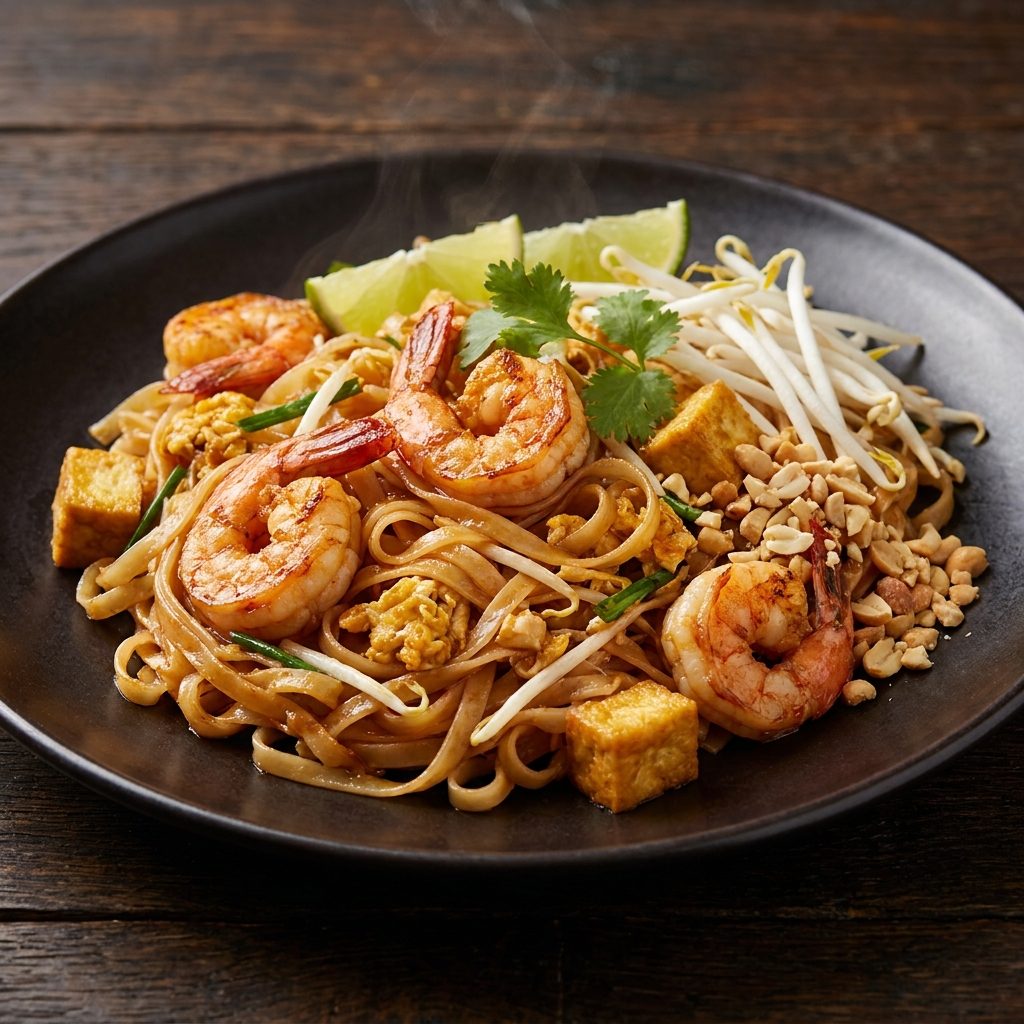
"Experience the vibrant spirit of Bangkok’s street markets with this perfectly balanced Pad Thai. It features tender rice noodles, succulent shrimp, and firm tofu tossed in a signature sweet, sour, and savory tamarind sauce."
Ingredients
| Qty | Item |
|---|---|
| 8 oz | Dried wide rice noodles |
| 3 tbsp | Tamarind paste (concentrate) |
| 3 tbsp | Fish sauce |
| 3 tbsp | Palm sugar (or brown sugar) |
| 3 tbsp | Vegetable oil |
| 12 pieces | Large shrimp, peeled and deveined |
| 1/2 cup | Extra-firm tofu, cubed |
| 2 large | Eggs, lightly beaten |
| 3 cloves | Garlic, minced |
| 1.5 cups | Fresh bean sprouts |
| 1/2 cup | Garlic chives, cut into 2-inch pieces |
| 1/4 cup | Crushed roasted peanuts |
| 1 whole | Lime wedges |
How to Make Pad Thai
Soak the rice noodles in room temperature water for 30-40 minutes until they are flexible but still firm to the bite. Drain and set aside.
In a small bowl, whisk together the tamarind paste, fish sauce, and palm sugar until the sugar has dissolved. Set this sauce aside.
Heat 1 tablespoon of oil in a wok or large skillet over high heat. Sear the shrimp until just cooked through, remove from the pan, and set aside.
Add the remaining oil to the wok. Sauté the garlic and tofu for about 2 minutes until the tofu is slightly golden.
Add the drained noodles and the prepared sauce to the wok. Stir-fry vigorously using a spatula or tongs, ensuring the noodles are well-coated and absorbing the liquid.
Push the noodle mixture to one side of the wok. Pour the beaten eggs into the empty space and scramble them quickly. Once set, fold the eggs into the noodles.
Add the bean sprouts and garlic chives. Toss everything together for 1 minute until the sprouts are slightly wilted but still crunchy.
Return the cooked shrimp to the pan. Toss one last time to heat through.
Serve immediately, garnished with crushed peanuts, extra bean sprouts, and lime wedges on the side.
Tips for Best Results
-
·
Do not boil the noodles; soaking them in room temperature water prevents them from becoming mushy in the wok.
-
·
Prep all ingredients before turning on the heat, as the stir-frying process happens very quickly.
-
·
If the noodles seem too dry while stir-frying, add a tablespoon of water at a time until they reach the desired texture.
-
·
Use palm sugar for a more authentic, mellow sweetness compared to white sugar.
Frequently Asked Questions
What can I use instead of tamarind paste?
How do I make this vegetarian?
Can I use different noodles?
Why are my noodles clumping together?
Video Tutorials


What to Cook Next
Next Recipe
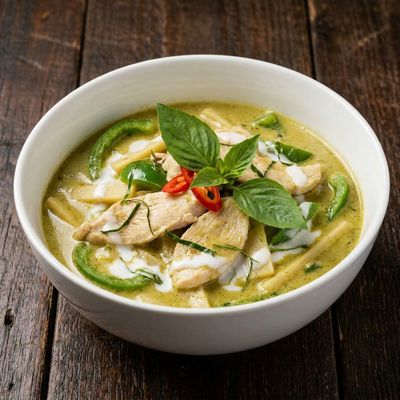
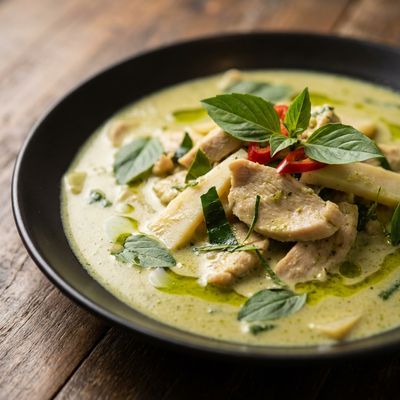
Creamy Coconut Thai Green Curry with Chicken
This Thai green curry is a harmonious blend of vibrant green chilies, fragrant lemongrass, and rich coconut milk. Tender chicken breast and crisp vegetables simmered in a luscious sauce create an unforgettable dining experience that rivals your favorite restaurant.
Similar Recipes to Try
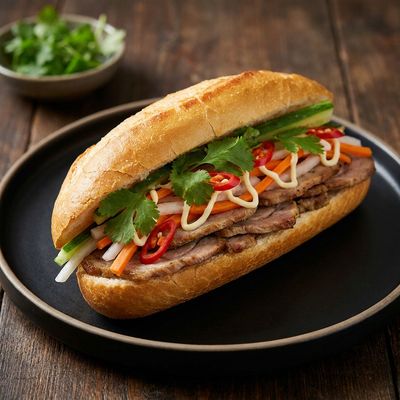
Banh Mi
45 min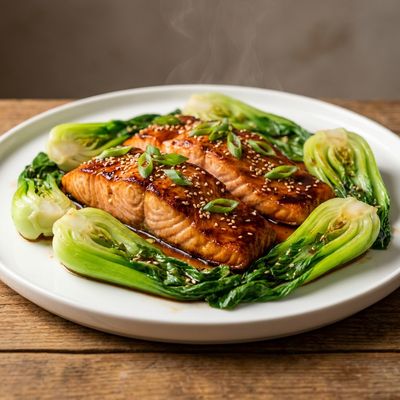
Sheet Pan Ginger Soy Salmon and Bok Choy
30 min
Greek Lamb Gyros
35 min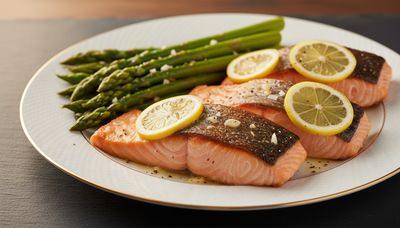
Pan Seared Salmon With Asparagus
25 min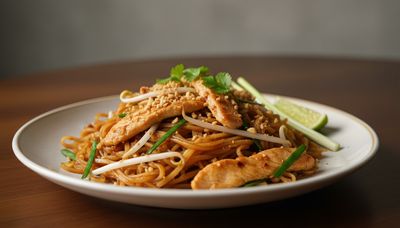
Chicken Pad Thai
35 min
Rose Tteokbokki with Cream and Gochujang
35 min
Grilled Mexican Street Corn (Elote)
25 min
Kimchi Fried Rice with Fried Egg
25 min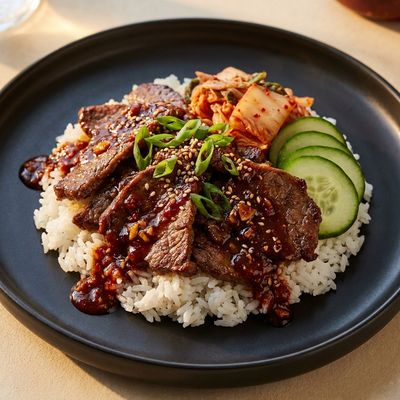
Spicy Korean Bulgogi Beef Bowls with Kimchi
35 min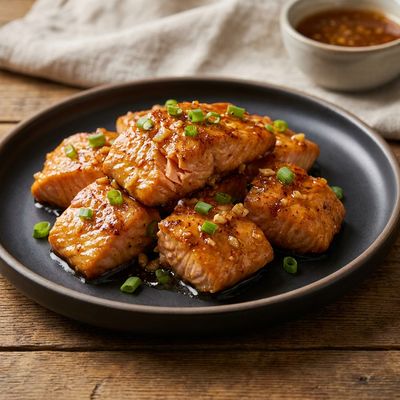
Air Fryer Honey Garlic Salmon Bites
18 minComments
(0)Sign in to leave a comment.
You Might Like
Ad Space Available
Be the first to leave a comment.