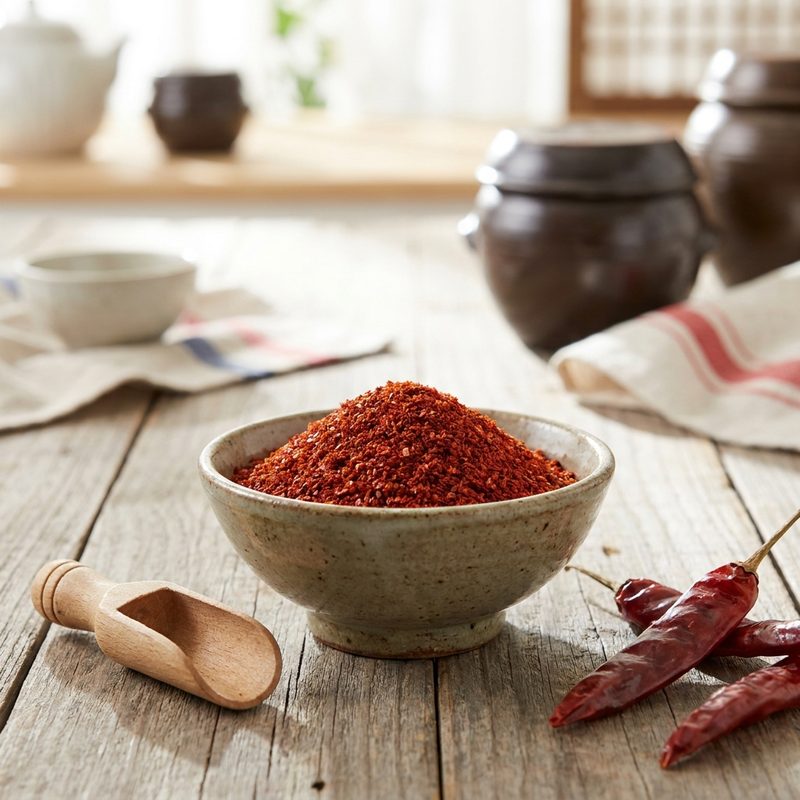
What Gochugaru Is
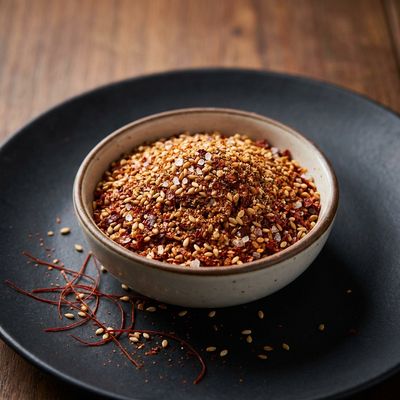
Gochugaru (고추가루) is a traditional Korean chili powder made from sun-dried, seedless red chili peppers (Capsicum annuum). It originates from Korea, where the peppers are harvested in late summer, dried under sunlight for 1–2 weeks, then coarsely ground with some seeds removed. The result is a vibrant red powder with a mild heat level (typically 4,000–8,000 Scoville units), a slightly sweet undertone, and a smoky, earthy aroma. Unlike standard chili powder, gochugaru is not blended with other spices—it is pure chili. Its coarse texture (similar to crushed red pepper flakes but finer) and moderate heat make it a cornerstone of Korean cooking, especially for kimchi, soups, and stir-fries.
How to Choose Gochugaru
When buying gochugaru, look for a bright, deep red color—dull or brownish powder indicates age or poor quality. The texture should be coarse and slightly flaky, not fine like regular chili powder. Check the ingredient list: authentic gochugaru contains only dried chili peppers, no salt, sugar, or anti-caking agents. The heat level varies by brand; for general cooking, choose a medium-hot variety (around 5,000–6,000 Scoville units). If possible, buy from a Korean grocery store or a reputable online seller that specifies the pepper origin (e.g., from Yeongyang or Cheongsong regions). Avoid pre-ground gochugaru that feels dusty or has a stale smell. For the best flavor, purchase small batches (100–200 g) and use within 6 months.
How to Use Gochugaru in Cooking
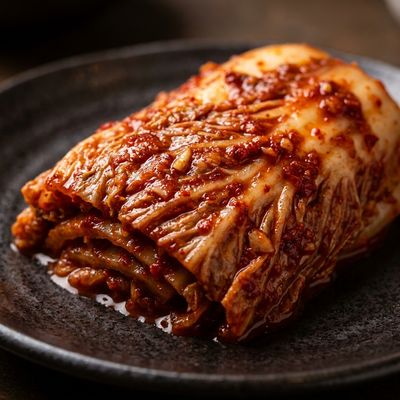
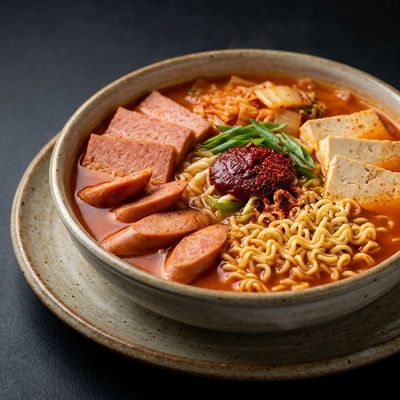
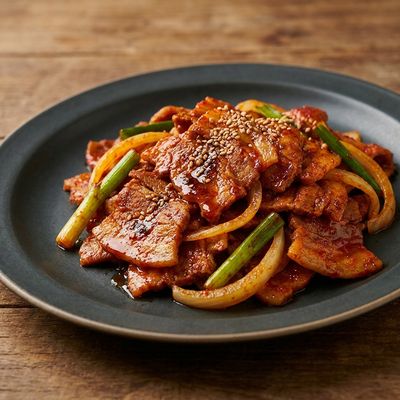
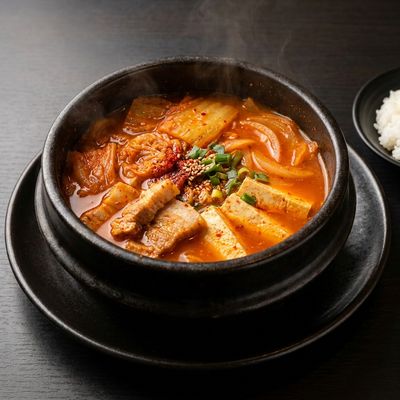
Gochugaru is used both as a seasoning and a key ingredient in Korean dishes. For kimchi, mix 3–4 tablespoons (30–40 g) of gochugaru with garlic, ginger, fish sauce, and glutinous rice paste to create the paste for 1 kg of cabbage. In stews like kimchi jjigae, add 1–2 tablespoons (10–20 g) directly to the broth for heat and color. For marinades, combine 2 tablespoons (20 g) gochugaru with soy sauce, sesame oil, and garlic to coat 500 g of meat (e.g., for bulgogi-style dishes). Use it in stir-fries by sprinkling 1–2 teaspoons (5–10 g) over vegetables or tofu during the last minute of cooking to preserve its vibrant color. For a quick dipping sauce, mix 1 tablespoon (10 g) gochugaru with 2 tablespoons rice vinegar and 1 teaspoon sugar. Always toast gochugaru in a dry pan for 30 seconds over medium heat to deepen its flavor before adding to oil-based dishes.
Substitutes for Gochugaru
If you don't have gochugaru, these three substitutes work well with minor adjustments:
- Aleppo pepper flakes: Use a 1:1 ratio. Aleppo pepper has a similar mild heat (around 10,000 Scoville) and fruity notes, but it is slightly finer and less smoky. Expect a slightly different aroma and a bit more acidity.
- Crushed red pepper flakes: Use half the amount (e.g., 1 teaspoon for 2 teaspoons gochugaru). Red pepper flakes are hotter (15,000–30,000 Scoville) and lack the smoky-sweet depth. Add a pinch of paprika for color and a tiny amount of sugar to mimic sweetness.
- Ancho chili powder: Use a 1:1 ratio. Ancho is mild (1,000–2,000 Scoville) with a raisin-like sweetness. Your dish will be less spicy and more sweet; add cayenne pepper (1/4 teaspoon per tablespoon of ancho) to boost heat.
How to Store Gochugaru
Store gochugaru in an airtight container away from light, heat, and moisture. In the pantry (cool, dark cupboard at 18–22°C/65–72°F), it stays vibrant for up to 6 months. For longer storage, refrigerate it in a sealed jar at 4°C/40°F—this extends freshness to 1 year. Freezing is also effective: place in a freezer-safe bag or container at -18°C/0°F for up to 2 years. To maintain quality, never store gochugaru near the stove or above the refrigerator, as heat degrades its color and heat. If the powder clumps or loses its red hue, it is past its prime. Always use a dry spoon to scoop out portions to prevent moisture from spoiling the rest.
Common Mistakes
- Using fine chili powder instead of coarse gochugaru: Fine powder dissolves too quickly and can make dishes muddy or overly spicy. Fix: Always buy coarse gochugaru labeled 'gochugaru' from a Korean source. If only fine powder is available, reduce the amount by half and add a pinch of smoked paprika for texture.
- Overcooking gochugaru at high heat: Adding gochugaru to sizzling oil for too long burns it, creating a bitter, dark color. Fix: Stir gochugaru into oil over medium heat for no more than 30 seconds, or add it toward the end of cooking (e.g., in stir-fries or soups after the liquid has simmered).
- Storing gochugaru in a clear jar near sunlight: UV light rapidly fades the red pigment and reduces heat. Fix: Transfer gochugaru to an opaque, airtight container and store in a dark cupboard. If using a glass jar, wrap it in foil or keep it in a cabinet.
Key Takeaways
- ✓ <ul><li>Toast gochugaru in a dry pan for 30 seconds over medium heat to intensify its smoky flavor before using in oil-based dishes.</li><li>For a smoother texture in sauces, soak gochugaru in warm water for 5 minutes before adding to blends—this rehydrates it and prevents graininess.</li><li>Add gochugaru to cold marinades first, then let the mixture sit for 10 minutes to allow the flavor to meld before coating meat or vegetables.</li><li>To test freshness, rub a pinch between your fingers: fresh gochugaru should feel slightly oily and release a strong, pungent aroma; stale powder feels dry and smells flat.</li></ul>