Brussels is a city where high-end gastronomy meets unpretentious street food, creating a unique culinary landscape defined by its gourmand spirit. From the historic seafood hub of Sainte-Catherine to the humble neighborhood friterie, the capital of Europe offers more than just chocolate; it provides a masterclass in soulful comfort food.
To eat like a local in Brussels is to embrace the marriage of French refinement and Flemish heartiness. Whether you are tucking into a steaming pot of mussels or grabbing a sugar-crusted waffle between museum visits, these eight iconic dishes represent the very best of Belgian tradition and the city's love for big, bold flavors.
The 8 dishes that define Brussels
1. Moules-Frites with White Wine and Celery
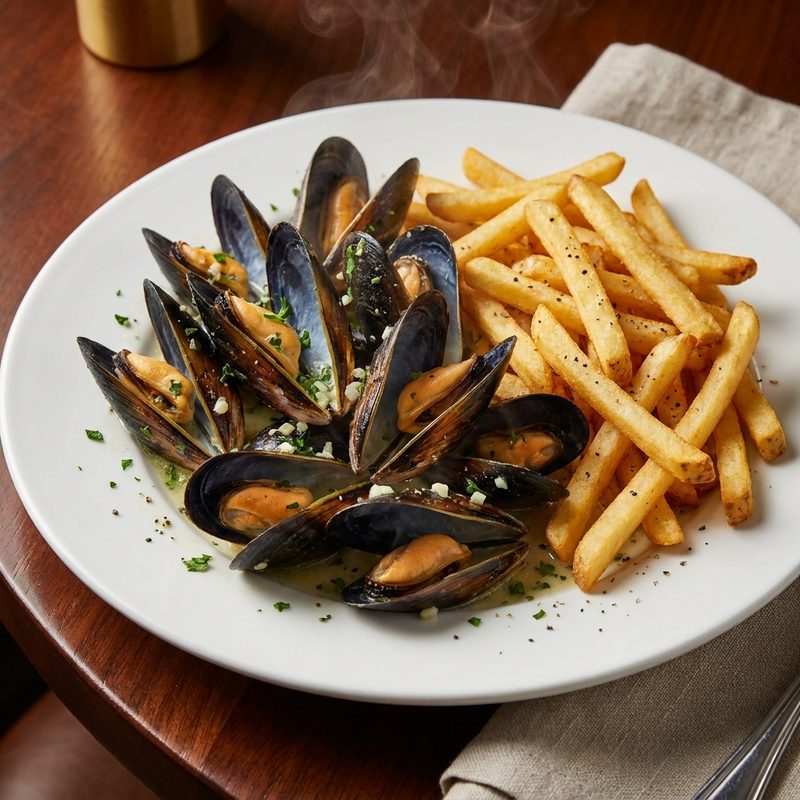
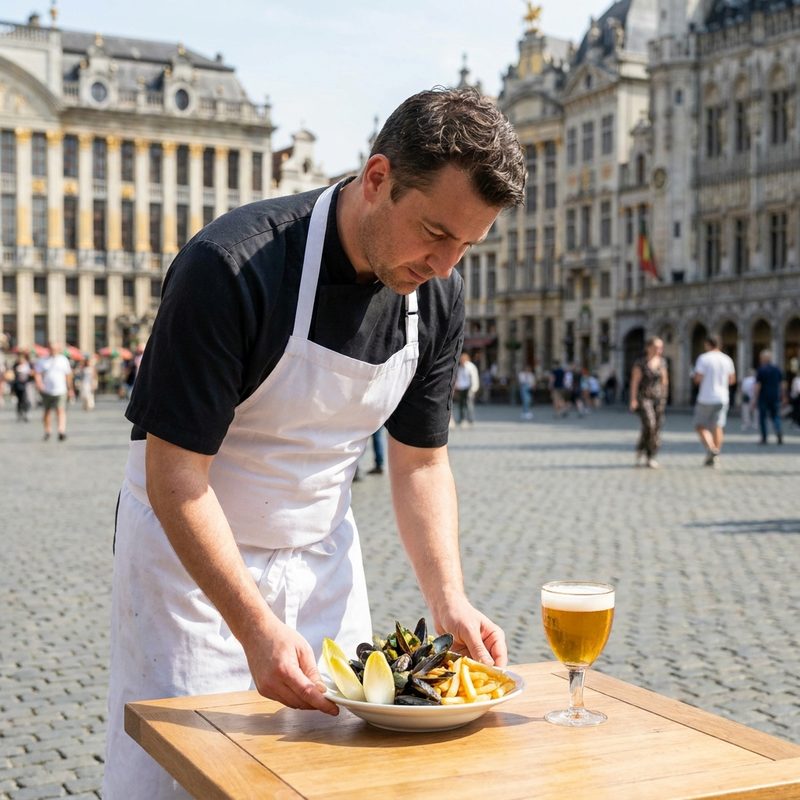
While often found in French bistros, Moules-Frites is the definitive Belgian national dish, best enjoyed in the seafood restaurants surrounding the old fish market at Sainte-Catherine. The mussels are traditionally steamed in a fragrant broth of white wine, butter, and celery, served alongside a mountain of crispy gold frites.
- Jumbo North Sea mussels
- Classic white wine broth
- Mandatory side of frites
Get the recipe: Moules-Frites with White Wine and Celery
2. Carbonnade Flamande Flemish Beef and Beer Stew
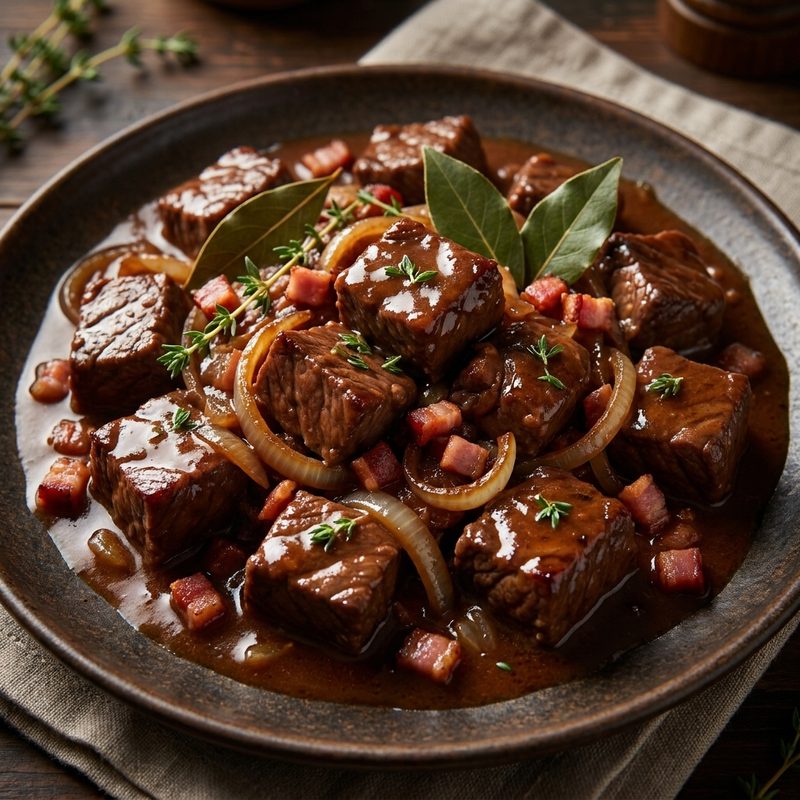
This Flemish beef stew is a triumph of beer-based cooking, using dark Belgian brown ale to create a deep, malty gravy that defies comparison. To achieve the perfect thickness and tangy finish, a slice of bread slathered with sharp mustard is traditionally placed on top of the stew during the slow-braising process.
- Slow-cooked beef chuck
- Trappist or Abbey brown ale
- Mustard-coated bread thickener
Get the recipe: Carbonnade Flamande Flemish Beef and Beer Stew
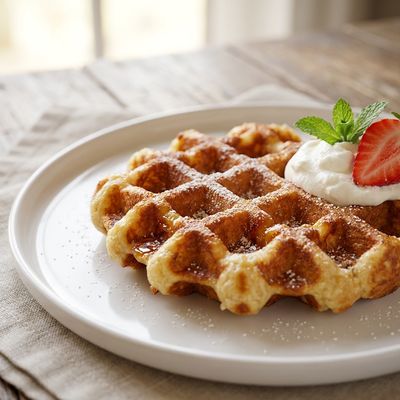
3. Liege Waffles with Pearl Sugar
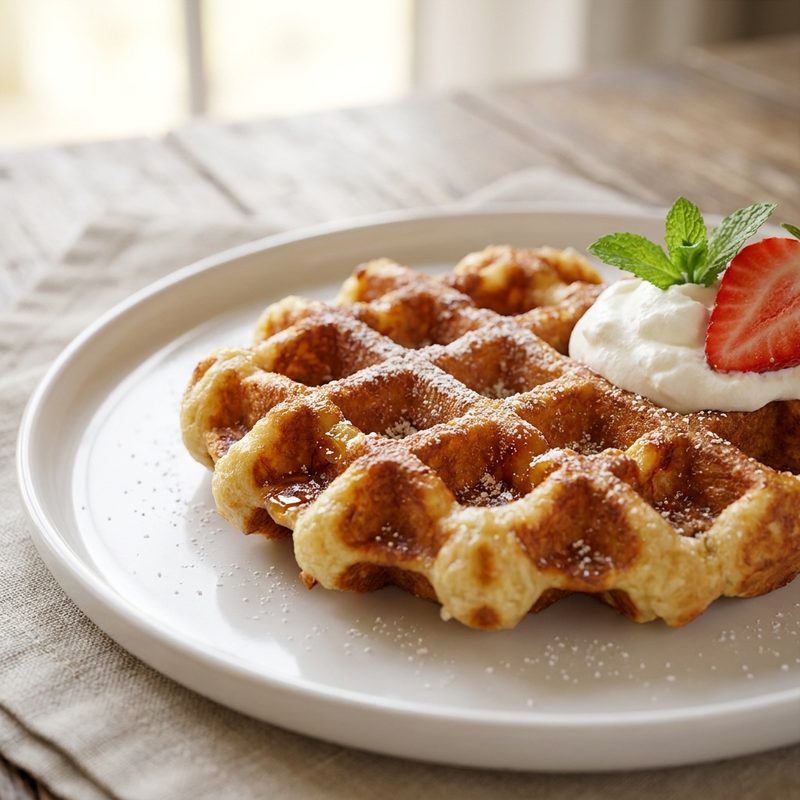
Unlike the light, rectangular Brussels waffle, the Liege variety is a dense, buttery brioche-style dough studded with pearl sugar that caramelizes into crunchy nuggets on the iron. You will find these sold warm from street-side windows across the city, identifiable by their irregular edges and intoxicating vanilla scent.
- Yeasted brioche dough
- Crunchy pearl sugar
- Sticky caramelized exterior
Get the recipe: Liege Waffles with Pearl Sugar
4. Belgian Chicken Waterzooi from Ghent
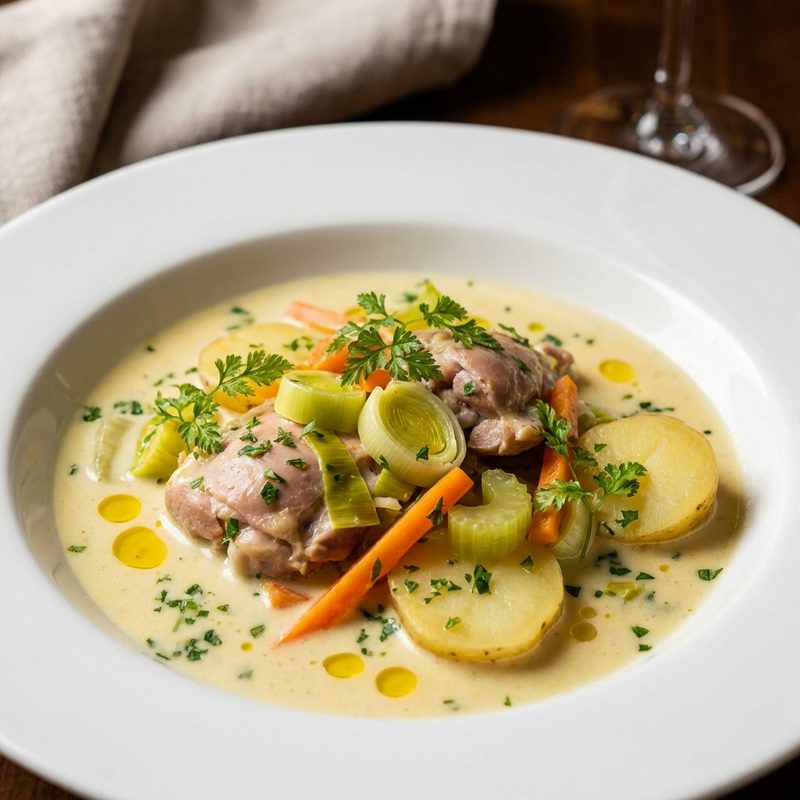
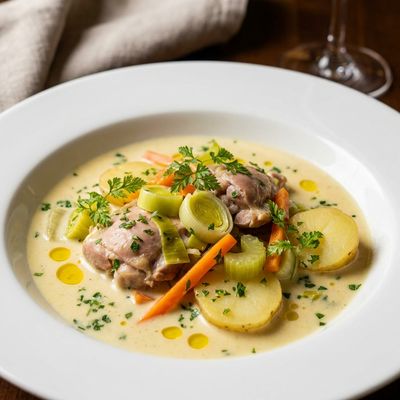
Originally a fish stew from Ghent, the Brussels version of Waterzooi almost always features tender poached chicken in a rich, velvety soup thickened with egg yolks and cream. It is a sophisticated, warming dish packed with julienned leeks, carrots, and potatoes, often served with crusty bread for dipping.
- Cream and egg yolk base
- Julienned root vegetables
- Poached chicken thighs
Get the recipe: Belgian Chicken Waterzooi from Ghent
5. Stoemp Belgian Mashed Potatoes with Vegetables
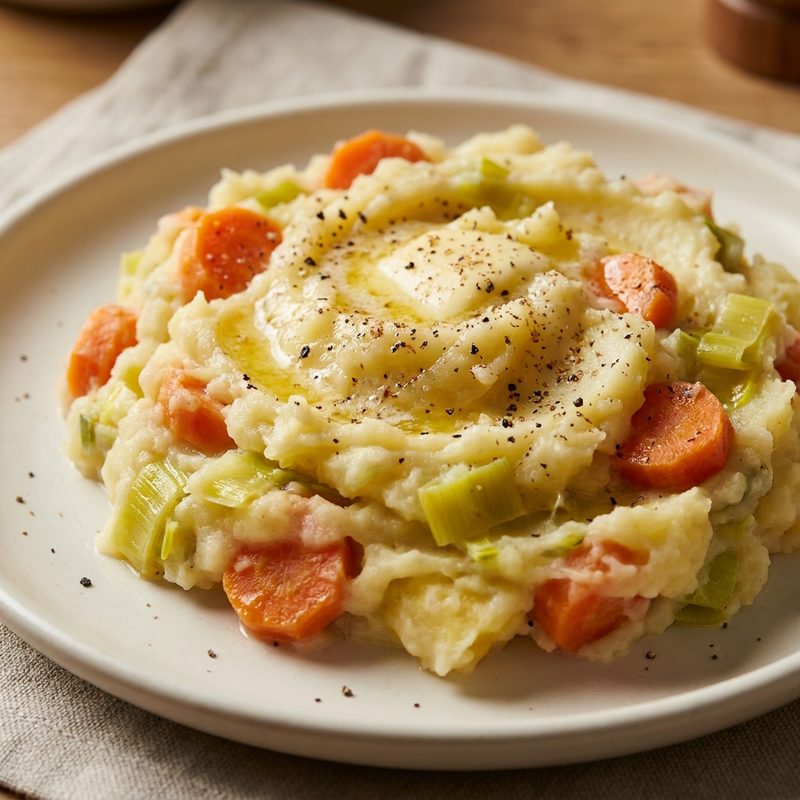
Stoemp is the ultimate Belgian peasant food, a rustic mash that elevates the humble potato by folding in generous portions of seasonal vegetables. Brussels locals often serve this chunky, flavorful mash with local sausages or a thick slab of bacon, making it a staple of the city's brown cafes.
- Coarsely mashed potatoes
- Folded leeks and carrots
- Smoky bacon or sausage
Get the recipe: Stoemp Belgian Mashed Potatoes with Vegetables
6. Chicons au Gratin Belgian Endive with Ham and Cheese
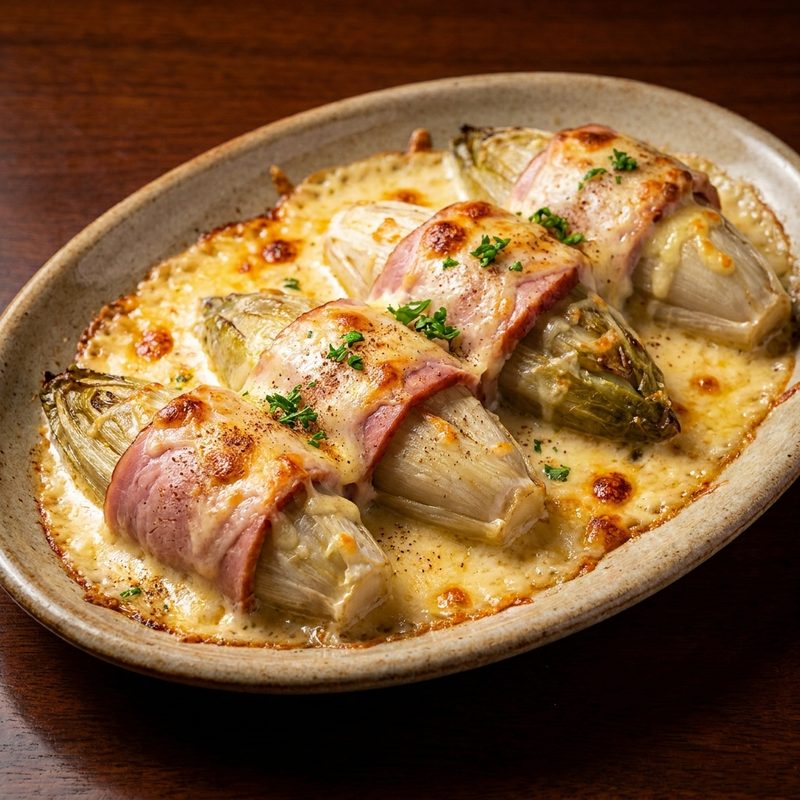
This dish highlights the Belgian endive, or 'chicon', a vegetable that is prized for its pleasant bitterness when braised until tender. Wrapped in slices of salty ham and smothered in a nutmeg-spiced bechamel sauce and Gruyere cheese, it is a quintessential winter gratin found in family kitchens.
- Braised Belgian endives
- Boiled ham wrapping
- Cheesy bechamel gratin
Get the recipe: Chicons au Gratin Belgian Endive with Ham and Cheese
7. Belgian Frites with Andalouse Sauce
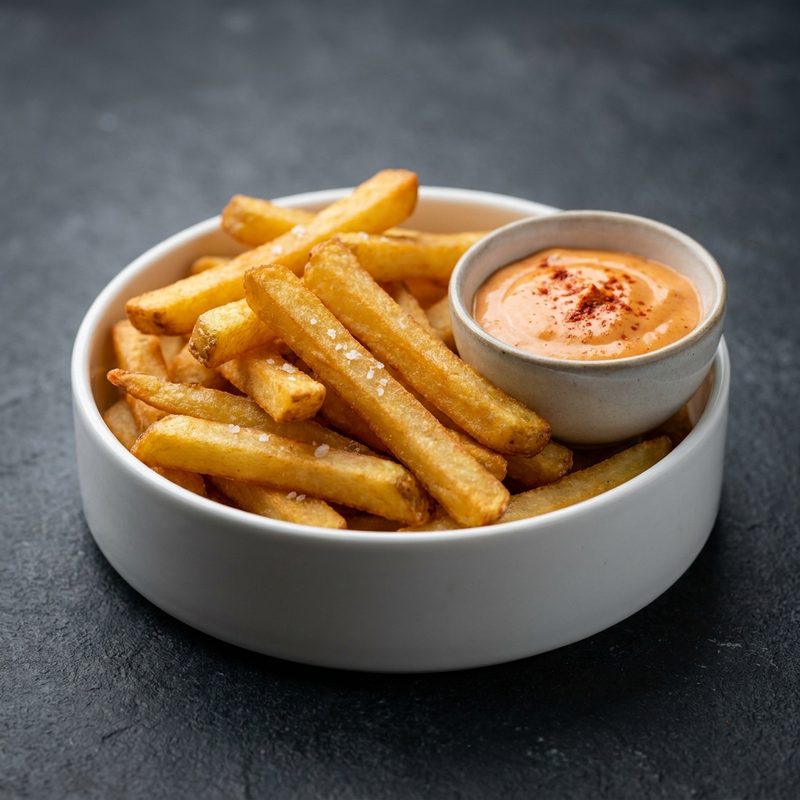
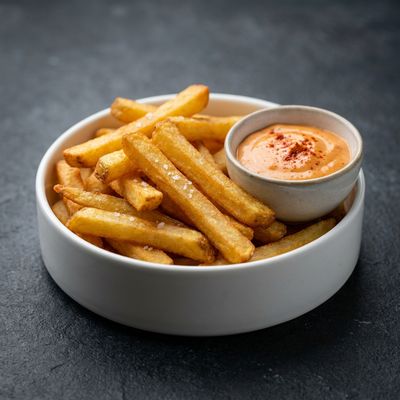
In Brussels, frites are a meal in themselves, traditionally double-fried in beef tallow to achieve a glass-like crunch and a fluffy interior. While ketchup exists, the true local experience involves a paper cone topped with Andalouse sauce—a spicy, creamy blend of mayonnaise, tomato paste, and peppers.
- Double-fried Bintje potatoes
- Traditional beef tallow fry
- Zesty Andalouse sauce
Get the recipe: Belgian Frites with Andalouse Sauce
8. Speculoos Belgian Spiced Biscuits
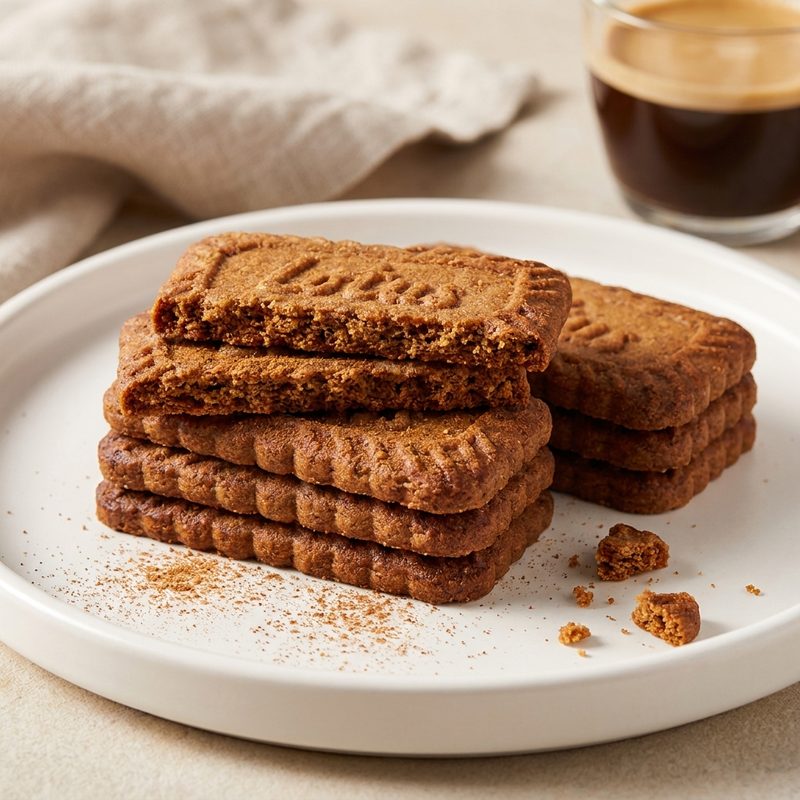
Originally baked to celebrate St. Nicholas Day, these thin, crunchy biscuits are famous for their warm blend of cinnamon, cloves, and ginger. They are the inspiration behind the worldwide cookie butter craze, but in Brussels, they remain a simple, elegant accompaniment to a afternoon coffee or hot chocolate.
- Warm cinnamon spice profile
- Crisp caramelized texture
- Classic afternoon tea snack
Get the recipe: Speculoos Belgian Spiced Biscuits
The Brussels Dining Experience
Exploring Brussels through its flavors reveals a city that takes its heritage seriously, where every recipe tells a story of local terroir and time-honored technique. To truly eat like a Bruxellois, pair these dishes with a local Gueuze or a Trappist ale to complete an authentic experience that stays with you long after the final bite.
Key takeaways
- Always double-fry potatoes for the perfect Belgian crunch
- Use high-quality brown ale for authentic Flemish stews
- Seek out pearl sugar for the signature Liege waffle texture
- Balance bitter endives with rich, creamy cheese sauces
💡 Key Takeaways
- ✓ Always look for the 'Belgian Family Brewers' logo when choosing a beer to ensure an authentic experience.
- ✓ When ordering frites, don't just stick to ketchup; try the local favorites like Samurai or Joppie sauce.
- ✓ Visit the Place Sainte-Catherine in the morning to see the local chefs selecting their seafood for the day.
- ✓ In Brussels, 'chocolate' refers specifically to high-cocoa-butter products; avoid anything with vegetable fats for the true experience.
- ✓ For the best waffles, avoid the '1 Euro' tourist shops and look for established tea rooms or bakeries.