Understanding the Material: Enameled vs. Raw Cast Iron
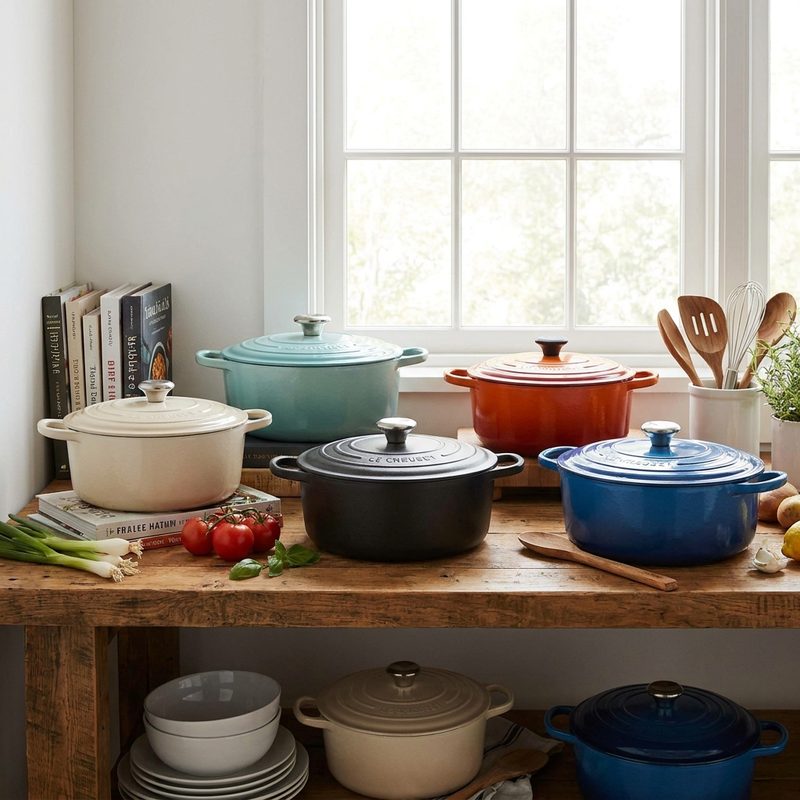
The most critical decision you will make is between enameled and raw cast iron. Enameled Dutch ovens are coated with a smooth glass-like finish that is non-reactive, meaning you can cook acidic foods like tomato sauce or wine-based braises without metallic off-flavors. Raw cast iron is more rugged and can withstand higher temperatures, making it ideal for camping or open-flame cooking, but it requires regular seasoning and careful maintenance to prevent rust.
Selecting the Right Size for Your Household
For most home cooks, the sweet spot is a 5.5 to 6-quart Dutch oven. This size is large enough to roast a whole chicken or make a batch of soup for a family of four with leftovers. If you frequently cook for large groups or enjoy batch-cooking for the freezer, consider an 8-quart model. Smaller 2 to 3-quart versions are excellent for side dishes or single servings but lack the versatility for main-course cooking.
Shape: Round vs. Oval
Round Dutch ovens are the industry standard for a reason: they sit perfectly on a single burner, ensuring even heat distribution across the bottom of the pot. Oval Dutch ovens are specifically designed for long cuts of meat, like beef tenderloin or whole turkeys. However, because their ends often overhang the heating element, they can develop cold spots if not used inside an oven.
The Importance of Lids and Handles
A high-quality Dutch oven must have a tight-fitting, heavy lid to lock in moisture and create a self-basting environment. Look for lids with small 'spikes' or ridges on the interior, which help condense steam and drip it back onto the food. Additionally, ensure the handles are wide enough to accommodate bulky oven mitts, and check that the lid knob is heat-rated for at least 450°F to 500°F.
Budget vs. Performance
While premium brands like Le Creuset or Staub are celebrated for their longevity and superior enamel quality, mid-range options from brands like Lodge or Cuisinart offer excellent performance at a fraction of the cost. The primary difference often lies in the thickness of the enamel coating and the warranty offered by the manufacturer.
Key Takeaways
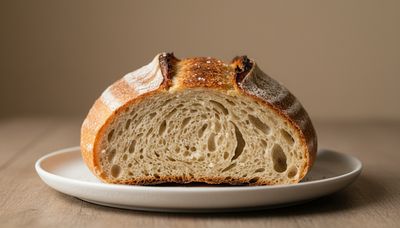
- ✓ <html><ul><li>Avoid using metal utensils on enameled surfaces to prevent scratching and chipping.</li><li>Never place a hot Dutch oven directly into cold water; the thermal shock can crack the enamel.</li><li>For stubborn, burnt-on food, boil a mixture of water and baking soda in the pot for 10 minutes.</li><li>When baking bread, preheat the Dutch oven inside the oven to achieve a professional-style crust.</li><li>Store your Dutch oven with the lid slightly ajar to allow air circulation and prevent musty odors.</li></ul></html>