Recipe Details
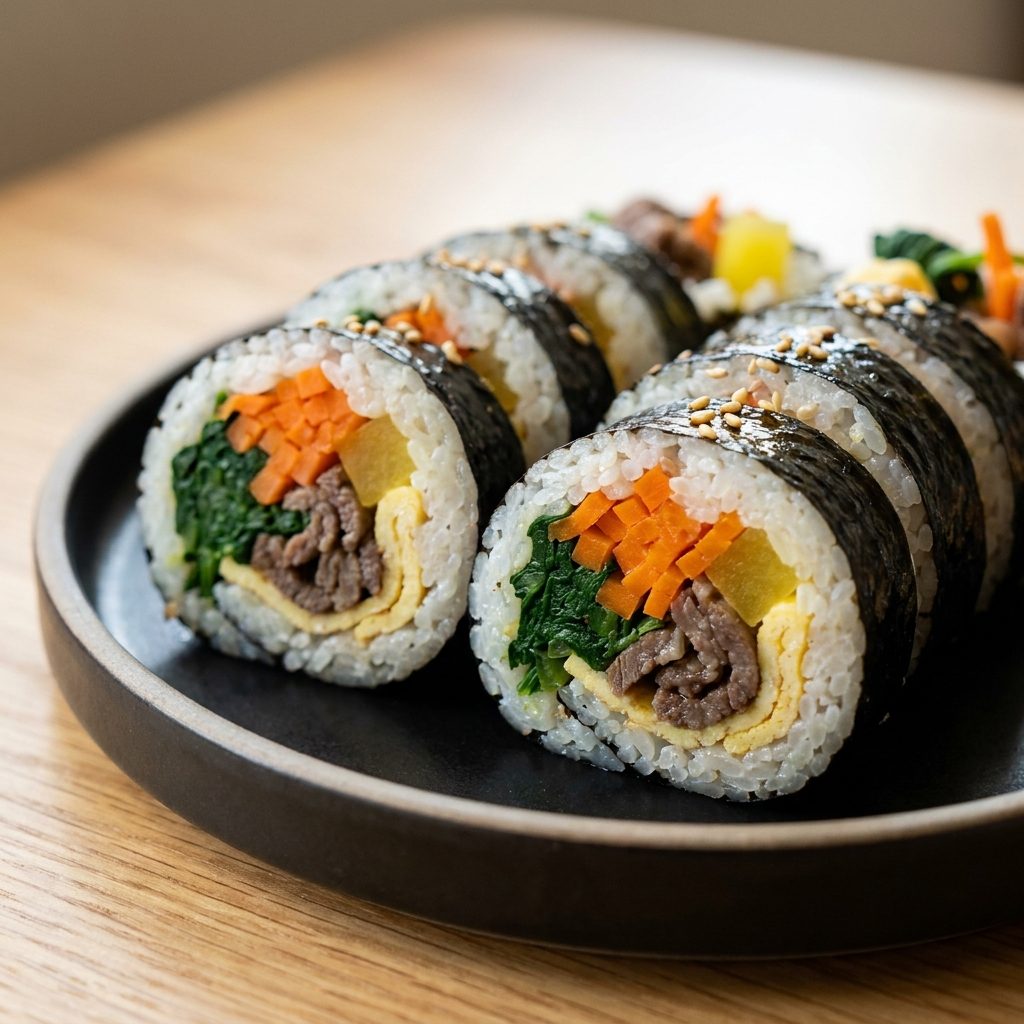
"Gimbap is the quintessential Korean picnic food, featuring a colorful array of seasoned vegetables, savory proteins, and fluffy rice wrapped in crisp roasted seaweed. Each bite offers a harmonious balance of textures and flavors, making it a delicious and portable meal for any occasion."
Ingredients
| Qty | Item |
|---|---|
| 2 cups | Short-grain white rice |
| 5 sheets | Dried seaweed sheets (Gim) |
| 2 tbsp | Toasted sesame oil |
| 1 bunch | Spinach |
| 2 medium | Carrots, julienned |
| 5 strips | Yellow pickled radish (Danmuji) |
| 3 large | Eggs |
| 0.5 lb | Beef ribeye or top sirloin, sliced |
| 1 tbsp | Soy sauce |
| 1 tsp | Salt |
How to Make Gimbap Korean Seaweed Rice Rolls
Rinse the rice until the water runs clear and cook it in a rice cooker. While the rice is still warm, gently mix in 1 tablespoon of sesame oil and 1/2 teaspoon of salt. Cover with a damp cloth and let it cool to room temperature.
Blanch the spinach in boiling water for 30 seconds. Drain, rinse with cold water, and squeeze out as much moisture as possible. Toss with a pinch of salt and a drizzle of sesame oil.
Sauté the julienned carrots in a lightly oiled pan with a pinch of salt until they are soft but still have a slight bite.
Beat the eggs with a pinch of salt. Fry into a thin, flat omelet in a non-stick pan. Once cooled, slice the omelet into long, thin strips.
Season the beef with soy sauce and a teaspoon of sugar. Sauté in a pan over medium-high heat until fully cooked and slightly caramelized. Slice into long strips.
Place a sheet of seaweed, shiny side down, on a bamboo rolling mat. Spread about 1/2 to 3/4 cup of rice evenly over the seaweed, leaving the top 2 inches empty.
Arrange a strip of radish, egg, beef, carrots, and spinach horizontally across the middle of the rice.
Lift the bottom of the mat and roll it over the fillings, tucking them in tightly. Apply firm, even pressure as you roll toward the top. Dab a little water or rice on the top edge of the seaweed to seal the roll.
Lightly brush the outside of the rolls with sesame oil. Using a very sharp, slightly wet knife, slice the rolls into 1/2-inch thick rounds.
Tips for Best Results
-
·
Wet your fingers with a bit of water or sesame oil to prevent the rice from sticking to your hands.
-
·
Do not overstuff the rolls, or they will burst during the rolling process.
-
·
Use a damp paper towel to wipe your knife between cuts to ensure clean, sharp slices.
-
·
For a vegetarian version, replace the beef with seasoned tofu or extra vegetables like burdock root.
Frequently Asked Questions
What is the difference between Gimbap and Sushi?
Can I store Gimbap in the fridge?
What kind of rice should I use?
Is Gimbap healthy?
What to Cook Next
Next Recipe
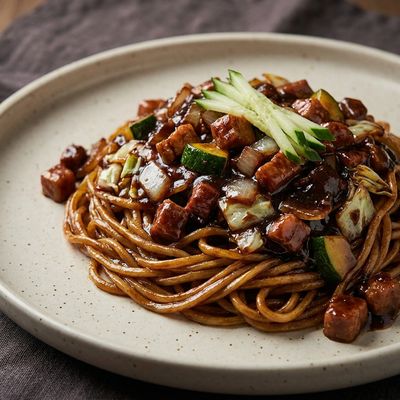
Jajangmyeon Korean Black Bean Noodles
Indulge in a classic Korean-Chinese comfort food featuring thick, chewy wheat noodles smothered in a rich, savory, and slightly sweet black bean sauce. This recipe balances succulent pork belly with earthy vegetables for a deeply satisfying meal that rivals any takeout.
Similar Recipes to Try
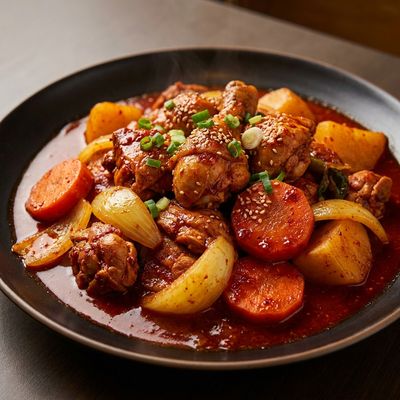
Dakbokkeumtang Braised Spicy Chicken
60 min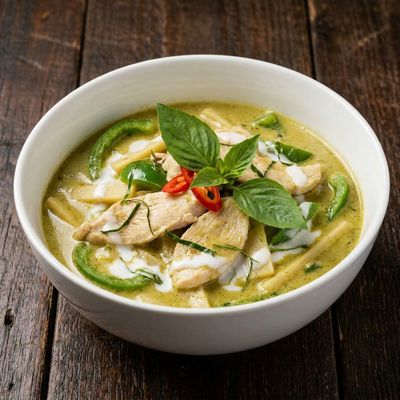
Creamy Coconut Thai Green Curry with Chicken
40 min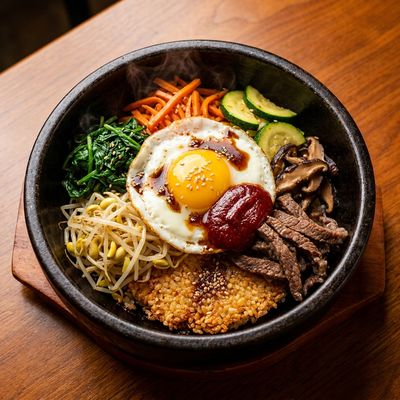
Dolsot Bibimbap in a Hot Stone Bowl
60 min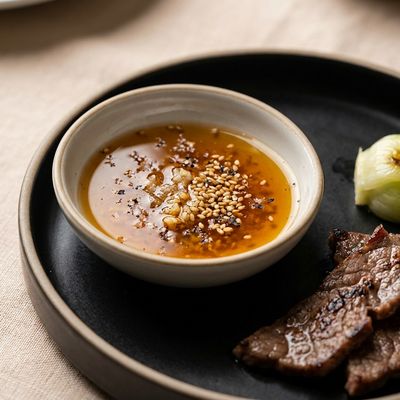
Korean Seasoned Sesame Oil Dipping Sauce
5 min
Garlic Butter Stuffed Mushrooms
35 min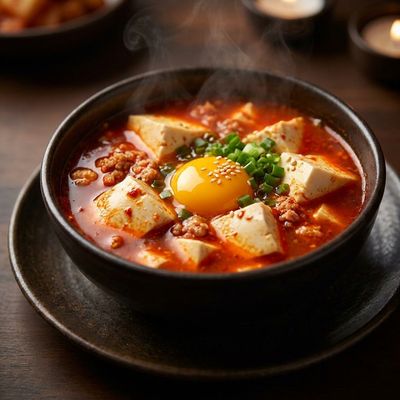
Sundubu Jjigae Soft Tofu Stew
30 min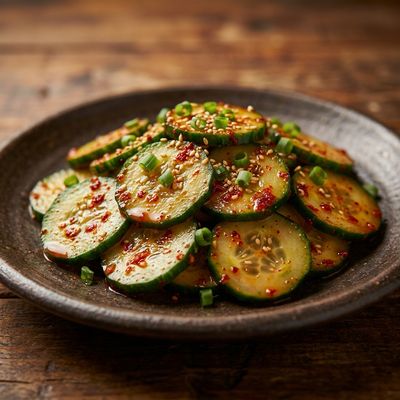
Oi Muchim Spicy Cucumber Salad
15 min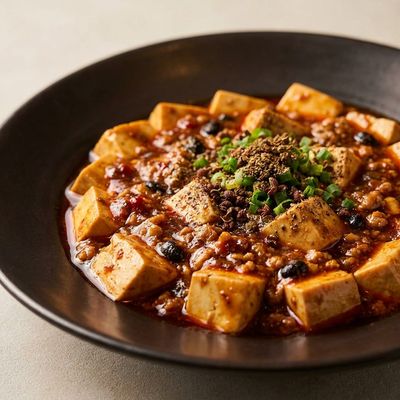
Mapo Tofu
30 min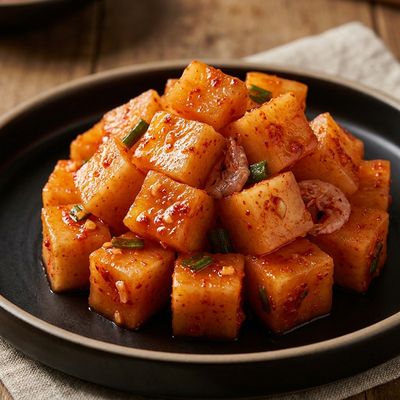
Kkakdugi Radish Kimchi
60 min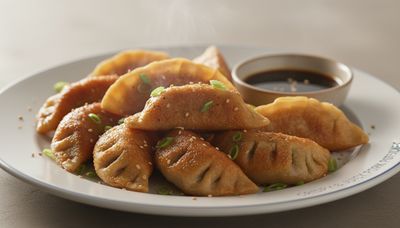
Pork Potstickers
60 minComments
(0)Sign in to leave a comment.
You Might Like
Ad Space Available
Be the first to leave a comment.