Understanding Origin: Wild-Caught vs. Farmed
Before you even touch a fish, consider its origin. Wild-caught fish are harvested from natural habitats, often offering a more complex flavor profile but varying availability. Farmed fish (aquaculture) provide a consistent supply and can be highly sustainable if sourced from reputable producers. Look for certifications like MSC (Marine Stewardship Council) or ASC (Aquaculture Stewardship Council) to ensure you are buying responsibly sourced seafood.
The Sensory Test: How to Choose
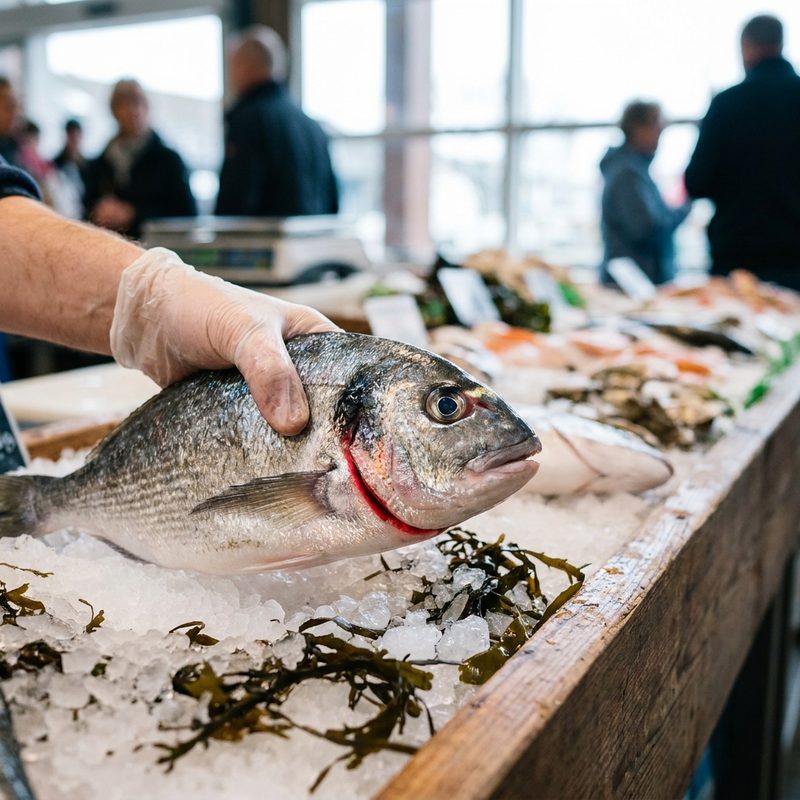
When buying whole fish, look at the eyes; they should be clear, bright, and bulging, not cloudy or sunken. The gills should be a vibrant reddish-pink, never brown or slimy. For fillets, the flesh should appear moist and translucent rather than dull or opaque. The most important test is the smell: fresh fish should smell like a clean sea breeze or nothing at all. A strong 'fishy' or ammonia-like odor is a clear sign of decomposition.
Substitutes: Fresh vs. Flash-Frozen
If high-quality fresh fish isn't available, don't hesitate to go to the freezer aisle. Modern 'flash-frozen' technology preserves fish at the peak of freshness, often making it superior to 'fresh' fish that has spent days in transit. When substituting species, look for similar texture and oil content; for example, halibut can often be substituted with cod or sea bass if you need a firm white fish.
Proper Storage Techniques
Fresh fish is highly perishable. Once home, remove it from the store packaging, pat it dry with paper towels, and place it in a zip-top bag. Ideally, set this bag on a bed of ice in a container within your refrigerator. This keeps the fish at a temperature closer to 32°F (0°C), which is colder than standard fridge settings and essential for slowing bacterial growth. Aim to cook fresh fish within 24 to 48 hours of purchase.
Common Mistakes to Avoid
One of the most common errors is buying fish that is sitting in a pool of water in the display case; moisture breeds bacteria and softens the flesh. Another mistake is ignoring the 'spring back' test. When you gently press the flesh of a fillet, it should be firm and bounce back immediately. If your fingerprint remains, the cellular structure has begun to break down, and the fish is no longer at its peak.
Key Takeaways
- ✓ <html><ul><li>Always bring a cooler bag with ice packs to the market, especially during summer months, to maintain the cold chain.</li><li>Ask your fishmonger which day their shipments arrive so you can shop on the freshest days.</li><li>If buying fillets, avoid those with 'gaping' (where the flakes of meat separate), as this indicates age or rough handling.</li><li>Don't be afraid to ask to smell the fish before it is wrapped; a reputable fishmonger will always accommodate this request.</li></ul></html>