Recipe Details
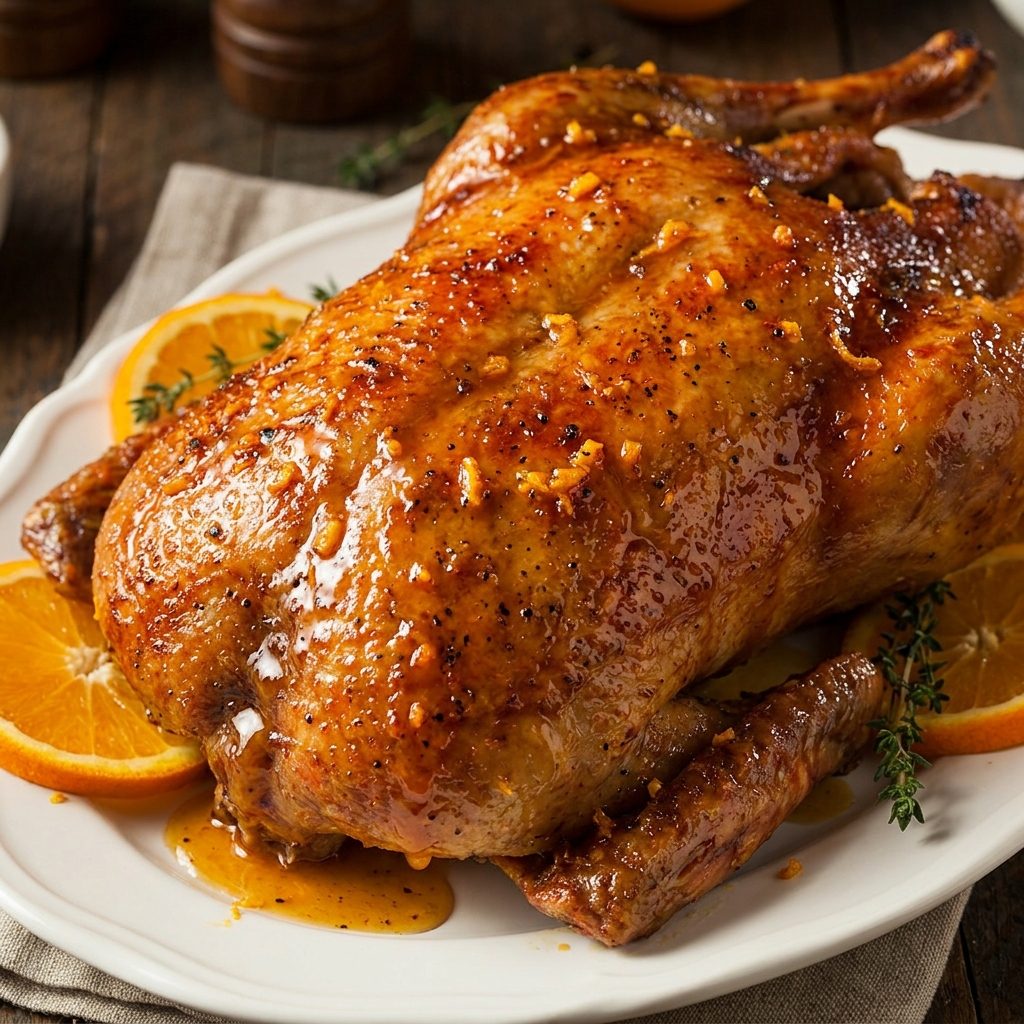
"This elegant French-inspired masterpiece features a whole roasted duck with incredibly crispy skin and a tangy, aromatic honey-orange reduction. The bright acidity of the citrus perfectly balances the rich, savory flavor of the duck meat for a restaurant-quality centerpiece."
Ingredients
| Qty | Item |
|---|---|
| 1 unit | Whole Duck |
| 2 tbsp | Kosher Salt |
| 1 tsp | Freshly Ground Black Pepper |
| 0.5 cup | Orange Juice (Fresh) |
| 1 tbsp | Orange Zest |
| 0.25 cup | Honey |
| 2 tbsp | Balsamic Vinegar |
| 3 cloves | Garlic Cloves (Minced) |
How to Make Crispy Roast Duck with Orange Glaze
Remove the duck from the refrigerator 1 hour before cooking. Remove giblets, trim excess fat from the neck and cavity, and pat the skin completely dry with paper towels.
Using a sharp skewer or the tip of a knife, prick the duck skin all over at an angle, being careful to only pierce the skin and fat, not the meat. This allows the fat to render out.
Season the duck generously inside and out with salt and pepper. Place the duck breast-side up on a rack set inside a roasting pan.
Preheat your oven to 325°F (165°C). Roast the duck for 60 minutes. Carefully flip the duck to breast-side down and roast for another 45 minutes.
While the duck roasts, prepare the glaze by simmering orange juice, zest, honey, balsamic vinegar, and garlic in a small saucepan over medium heat until reduced by half and syrupy.
Flip the duck back to breast-side up. Increase the oven temperature to 400°F (200°C). Brush a thick layer of the orange glaze over the duck.
Roast for another 15-20 minutes, brushing with more glaze every 5 minutes, until the skin is deep mahogany and crispy (internal temperature should reach 165°F).
Let the duck rest for at least 15 minutes before carving to allow the juices to redistribute.
Tips for Best Results
-
·
For the crispiest skin, leave the duck uncovered in the fridge for 24 hours before roasting to dry out the skin.
-
·
Save the rendered duck fat in a glass jar; it is perfect for making the best roasted potatoes.
-
·
Don't skip the pricking process; it is essential for rendering the thick layer of fat under the duck skin.
-
·
If the glaze starts to burn, tent the duck loosely with foil for the final few minutes.
Frequently Asked Questions
How do I know when the duck is finished cooking?
Can I use store-bought orange juice?
Should I cover the duck while roasting?
Can I make this recipe with duck breasts instead of a whole duck?
Video Tutorials



What to Cook Next
Next Recipe
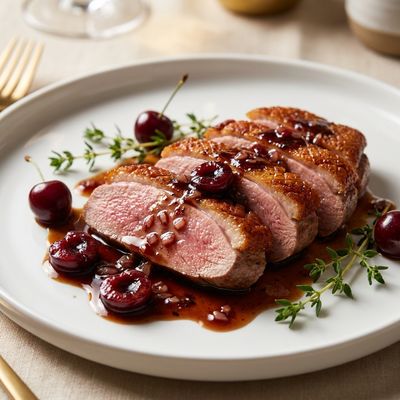
Crispy Skin Pan-Seared Duck Breast with Cherry Balsamic Glaze
Elevate your dinner table with succulent pan-seared duck breasts featuring perfectly rendered, golden-crisp skin. Drizzled with a luscious, ruby-red cherry balsamic glaze, this dish strikes the ultimate balance between savory richness and vibrant tartness.
Similar Recipes to Try
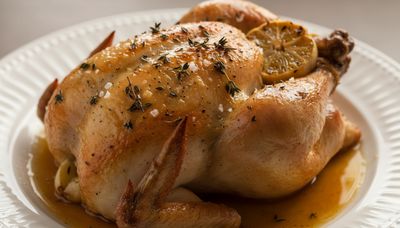
Perfect Roast Chicken
95 min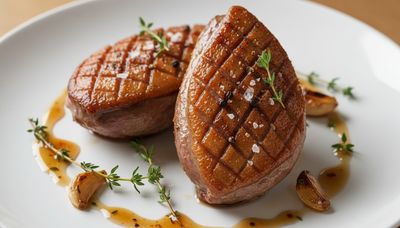
Roasted Duck Breast
45 min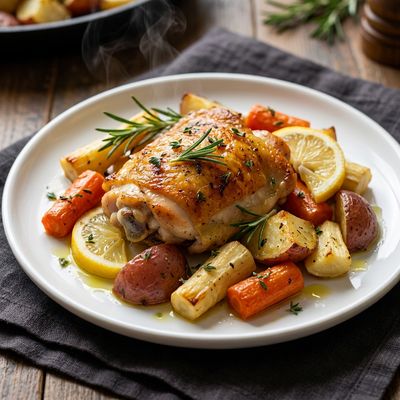
Lemon Herb Roasted Chicken with Root Vegetables
65 min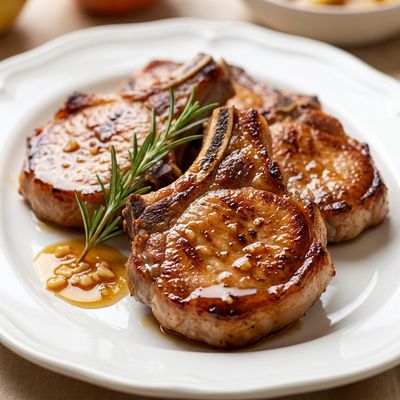
Pan-Seared Pork Chops with Apple Cider Glaze
30 min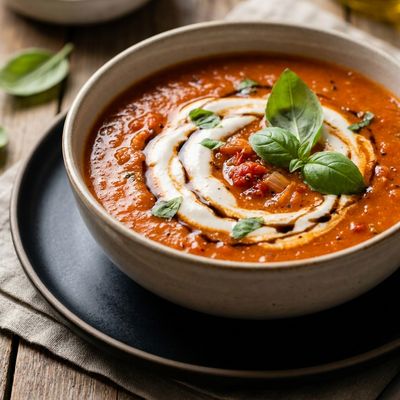
Creamy Roasted Tomato Soup with Cashew Cream
60 min
Honey Garlic Chicken Thighs
30 min
Crispy Parmesan Crusted Pork Chops
30 min
Crispy Air Fryer Buffalo Cauliflower
35 min
Traditional Quiche Lorraine
75 min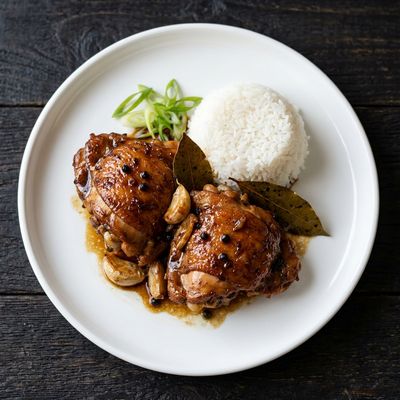
Chicken Adobo
55 minComments
(0)Sign in to leave a comment.
You Might Like


Ad Space Available
Be the first to leave a comment.