Recipe Details
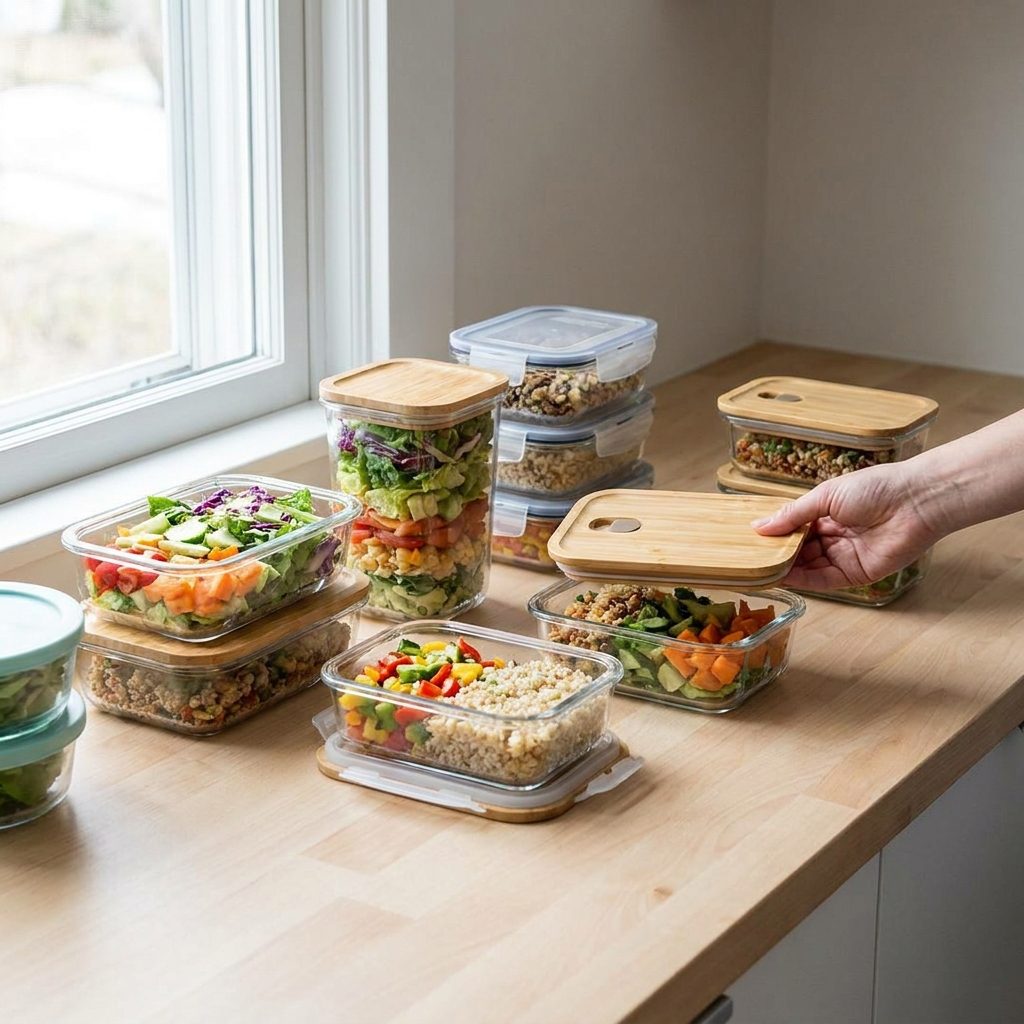
"Switching to glass storage is one of the most effective ways to upgrade your kitchen's efficiency and food safety. This guide walks you through selecting the right materials, lid styles, and maintenance techniques to maximize your meal prep success."
Ingredients
| Qty | Item |
|---|---|
| Ingredient list coming soon. | |
How to Make The Best Glass Containers for Meal Prep and Storage
Step 1: Choose the Right Glass Material
When selecting containers, identify the difference between borosilicate and soda-lime glass. Borosilicate glass, often used in laboratory settings, is highly resistant to thermal shock, making it the superior choice for moving containers directly from the freezer to the oven. Soda-lime glass is the most common consumer glass; while durable for everyday use, it requires more gradual temperature changes to prevent cracking.
Step 2: Evaluate Lid Sealing Mechanisms
The longevity of your prep depends on the seal. Look for BPA-free plastic lids with integrated silicone gaskets and snap-locking tabs. These create an airtight and leak-proof environment, essential for keeping greens crisp and preventing spills during transit. For dry storage or countertop display, silicone-rimmed bamboo lids are an aesthetic alternative, though they may not be as airtight for long-term refrigeration.
Step 3: Optimize for Portioning and Stacking
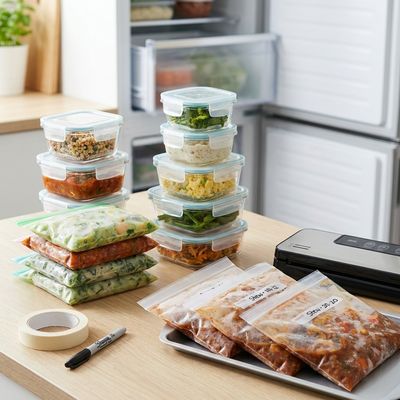
Standardize your collection by purchasing sets rather than individual pieces. This ensures that containers stack neatly in the fridge and nest together in your cabinets to save space. For meal prep, look for 2-cup or 3-cup rectangular containers, which are ideal for individual portions. Divided glass containers are also excellent for keeping proteins and grains separate from vegetables until you are ready to eat.
Step 4: Implement Safe Reheating and Cleaning
Always remove plastic lids before placing glass containers in the oven or microwave, as high heat can warp the plastic or damage the silicone seal. When cleaning, ensure the silicone gaskets are removed periodically to wash away trapped moisture and food particles. While glass is dishwasher safe, hand-washing the lids will extend the life of the locking tabs and gaskets.
Tips for Best Results
-
·
<html><ul><li>Use wet-erase markers to write the date and contents directly on the glass; it washes off easily with soap and water.</li><li>Always leave at least a half-inch of headspace when freezing liquids in glass to allow for expansion and prevent breakage.</li><li>If your glass container feels stuck after refrigeration, let it sit at room temperature for a few minutes to allow the seal to loosen naturally.</li><li>Store your lids in a separate organizer rather than on the containers to ensure they stay completely dry and odor-free.</li></ul></html>
Frequently Asked Questions
Can I put glass containers in the oven?
How do I prevent my glass from shattering?
Are glass containers better than plastic?
Can I stack glass containers to save space?
What to Cook Next

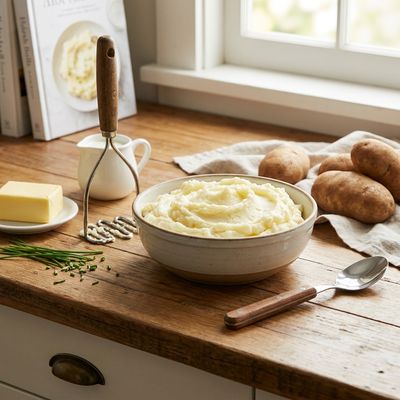
Next Recipe
How To Make Mashed Potatoes
Mashed potatoes are a quintessential comfort food, but achieving the perfect balance of creamy and fluffy requires specific techniques. This guide covers everything from selecting the right potato variety to the essential folding method for a lump-free result.
Similar Recipes to Try
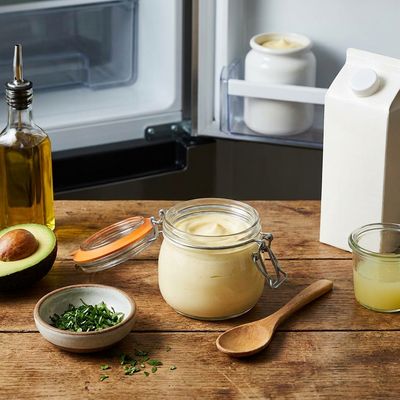
Mayonnaise: Uses, Substitutes, and How to Store It
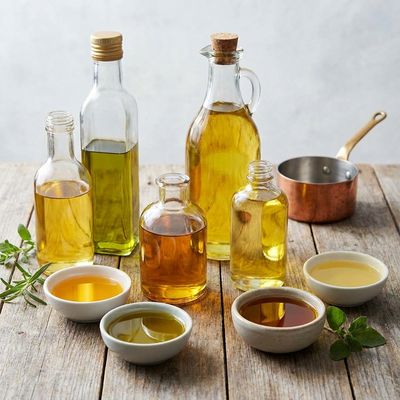
How Smoke Points Affect Your Cooking: A Guide to Choosing the Right Oil
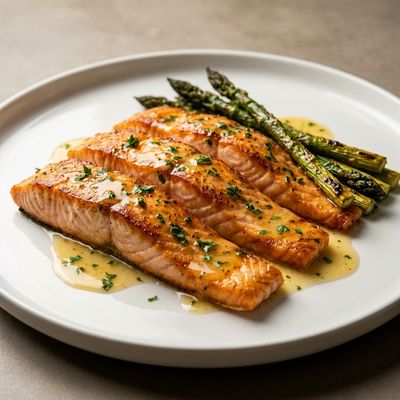
Lemon Garlic Butter Salmon with Asparagus
25 min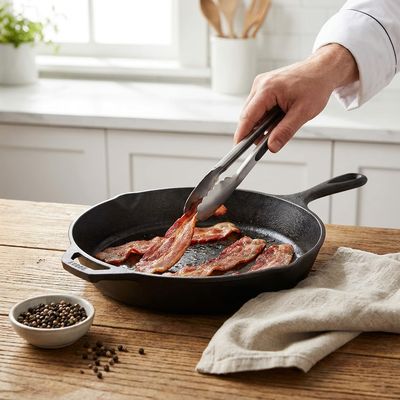
How To Fry Bacon
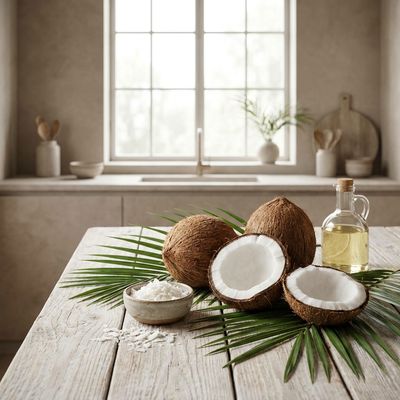
Coconut: Uses, Substitutes, and How to Store It
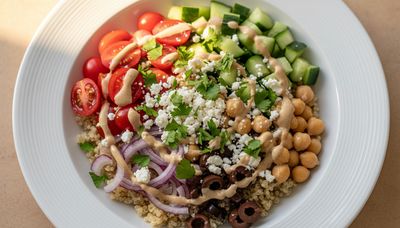
Mediterranean Quinoa Bowl
30 min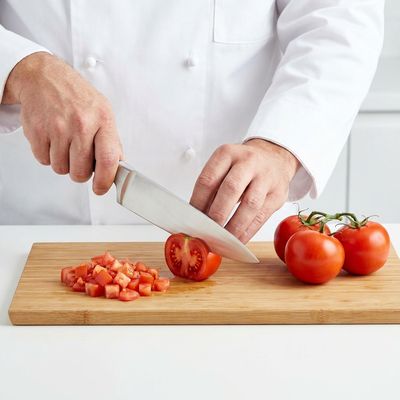
How to Chop Tomatoes
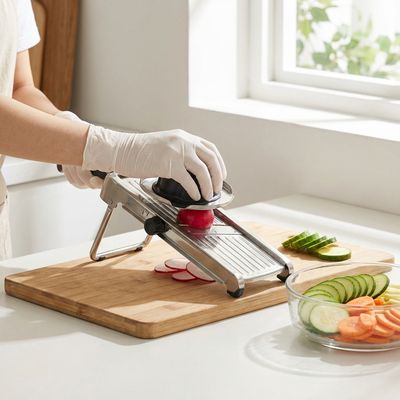
The Beginner's Guide to Using a Mandoline Slicer Safely
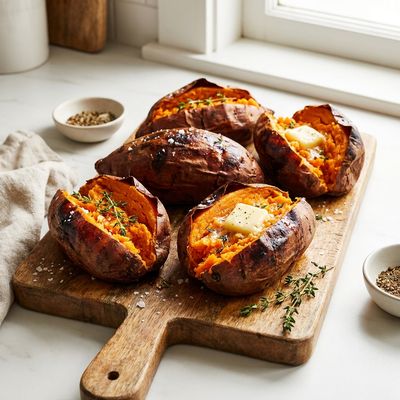
How To Bake Sweet Potatoes
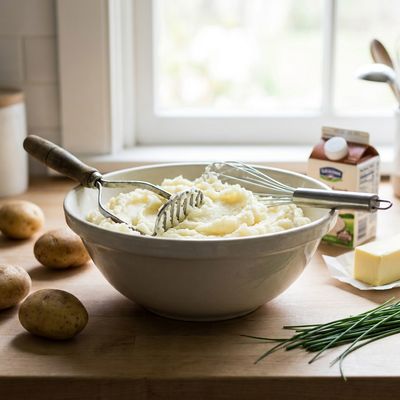
How to Mash Potatoes
Comments
(0)Sign in to leave a comment.
You Might Like
Ad Space Available
Be the first to leave a comment.